
Antistreptolysin O (Antistreptolysin-O, ASLO)
190 UAH
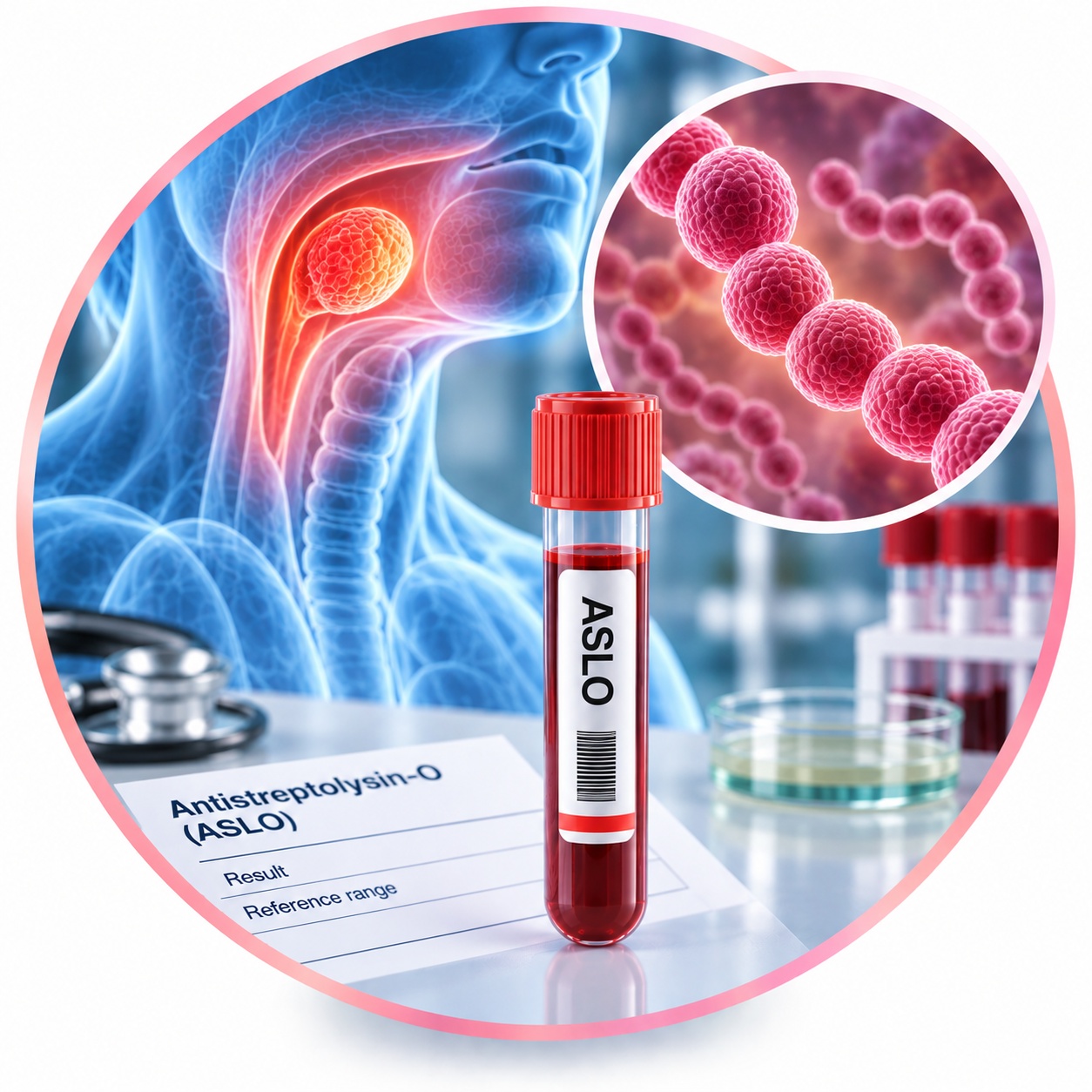
Biochemical analysis blood to detect antibodies to streptolysin O, a toxin produced by group A beta-hemolytic streptococcus bacteria. Helps diagnose recent streptococcal infection and its possible immune complications (rheumatism, glomerulonephritis).
Antistreptolysin O (ASLO) are specific antibodies (immunoglobulins) that the human immune system begins to produce in response to the appearance in the body of a streptococcal toxin - streptolysin O. This toxin is secreted by bacteria Streptococcus pyogenes (group A beta-hemolytic streptococcus), which cause such common diseases as angina (acute tonsillitis), scarlet fever, pharyngitis, erysipelas of the skin or pyoderma.
If the streptococcal infection was not cured in time or completely, 1–3 weeks after the disease, the level of ASLO in the blood increases rapidly. The determination of this indicator is key in rheumatology and therapy for detecting remote autoimmune complications, when the immune system, due to the similarity of proteins, begins to attack the body's own tissues (heart, joints, kidneys).
Key indicators (what determines the test)
ASLO antibody titer (quantitative determination): Measurement of serum streptolysin O antibody concentration (expressed in IU/mL or U/mL). This measure allows you to assess the immune response to recent exposure to streptococcus.
Dynamics of change in the indicator: Study of ASLO levels over time (retesting in 2–4 weeks) to confirm that the infection was active or that effective treatment was being administered.
Preparation for the study
To ensure maximum accuracy of biochemical blood test results, standard rules should be followed:
On an empty stomach: Blood is donated in the morning on an empty stomach (it is recommended to fast for 8–12 hours; it is allowed to drink clean, still water).
Food: The night before, you should avoid fatty, fried foods and overeating.
Physical and emotional state: The day before the study, avoid intense physical activity, stress, and sudden changes in regimen.
Medications: If you are taking antibiotics or other medications, consult your doctor, as they may affect the state of the microflora and the immune response.
Bad habits: Refrain from smoking at least 1–2 hours before donating blood.
Frequently Asked Questions (FAQ)
What does an elevated ASLO level indicate? Elevated antibody levels indicate that a person has recently had a streptococcal infection (such as a sore throat or pharyngitis) or that the infection is still present in the body. High levels are also characteristic of rheumatic fever and glomerulonephritis.
Does elevated ASLO mean the presence of rheumatism? No, a high ASLO level only confirms the fact of recent contact with streptococcus. It is not a definitive diagnosis of rheumatism by itself - the doctor evaluates it in combination with clinical symptoms, a complete blood count, C-reactive protein (CRP) and rheumatoid factor.
When is this test prescribed? The study is prescribed for suspected rheumatic fever, post-streptococcal glomerulonephritis, prolonged joint or heart pain after a previous sore throat, as well as for retrospective diagnosis of a recent streptococcal infection.
| Execution time | 1 day |
|---|---|
| Type of biomaterial | Venous blood |
Useful tests