

Enterovirus – antigen determination
200 UAH
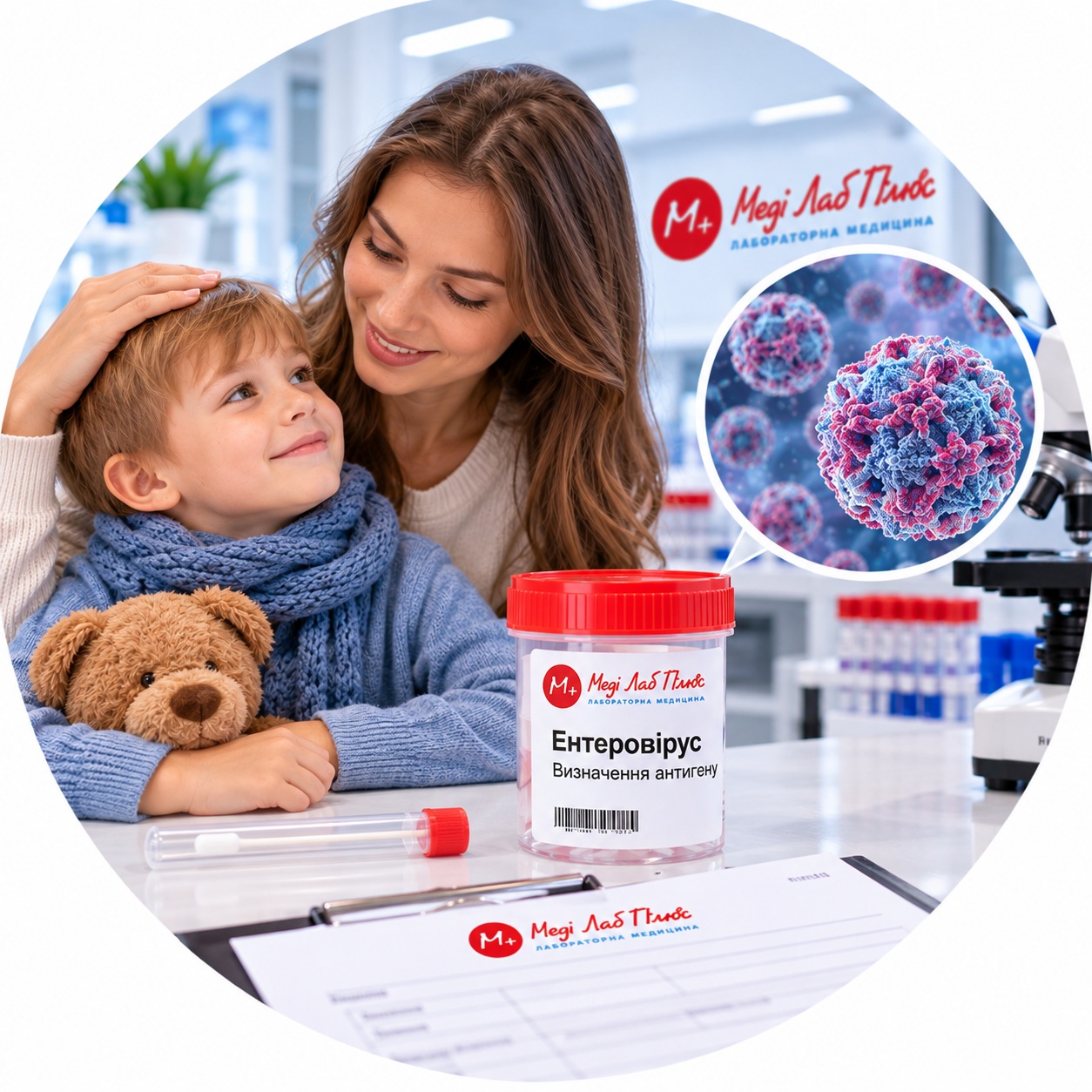
The study is designed to detect enterovirus antigen in the tested biomaterial. Enteroviruses can cause various infectious diseases, including those affecting the digestive system, skin, or nervous system. The result helps to assess the presence of signs of enterovirus infection, taking into account symptoms and other clinical data.
- The stool is delivered to the laboratory for examination within 2 hours of collection. If the delivery time exceeds 2 hours, it is necessary to use containers with a preservative for transporting the material.
- The container with feces is tightly closed with a lid, packed in a clean disposable bag and delivered to the laboratory.
- Stools should not be submitted for testing after an enema, suppository insertion, or castor oil administration. Stools for testing should not contain foreign substances, such as urine.
- In newborn babies, feces are collected from the diaper or nappy immediately after defecation.
Enteroviruses are a group of viruses that most commonly cause gastrointestinal illnesses in humans. These viruses belong to the Picornavirus family and can cause a variety of illnesses, including gastroenteritis, muscle diseases, and even infections of the nervous system. It is important for scientists and doctors to determine the presence of enteroviruses in a patient for accurate diagnosis and treatment. In this text, we will look at how to determine Enterovirus antigen and how it helps in diagnosis gastrointestinal diseases.
Enteroviruses and their characteristics
Enteroviruses are a group of single-stranded RNA viruses that can cause a variety of diseases. The most common are Coxsackie enteroviruses and ECHO (Enteric Cytopathic Human Orphan) enteroviruses. They can be transmitted through mucous membrane contact, the fecal-oral route, and airborne droplets.
Enterovirus antigen detection
Various methods are used to determine the antigen of enteroviruses, but the main ones are immunological and molecular biological methods. Among immunological methods, enzyme-linked immunosorbent assays are especially popular, which allow the detection of specific antibodies to enteroviruses. Molecular biological methods, such as PCR, provide high sensitivity and accuracy in diagnostics. In addition, it is also important to consider determination of antigen in Giardia, as it can help in differentiating diseases caused by these pathogens.
- Immunological methods:
- Immunohistochemical analysis: An antibody directed against an enterovirus antigen is used that reacts with the virus in the patient's tissues. This method can be used to detect the virus in biopsies.
- Enzyme-linked immunosorbent assay (ELISA): ELISA allows the detection of antibodies or antigens in patient serum or other biological fluids. This method can be used to determine enterovirus antigen.
- Molecular biological methods:
- Polymerase chain reaction (PCR): PCR is used to detect the genetic material of enteroviruses in biological samples. This method is very sensitive and can detect the presence of the virus even at low concentrations.
- Reverse transcriptase PCR (RT-PCR): This method allows the detection of enterovirus RNA and can be used to detect active viral replication in cells.
Diagnosis of gastrointestinal diseases using antigen detection enterovirus
Diagnosis of gastrointestinal diseases often involves detecting enterovirus antigen in a patient's biological material. This helps doctors determine whether enteroviruses are the cause of the disease and determine the optimal treatment approach.
If enterovirus antigen is detected in a patient's biological materials, this may be an indicator of active viral replication and the need for antiviral treatment. However, it is important to note that diagnostics must be performed in conjunction with clinical signs and other studies to accurately determine the diagnosis.
Conclusion
Enterovirus antigen detection plays an important role in the diagnosis of gastrointestinal diseases, facilitating timely detection of the virus and the establishment of the correct treatment. This approach helps doctors respond to diseases and provide effective medical care to patients. In the future, the development of methods for determining enterovirus antigen may improve the diagnosis and treatment of these diseases even further.
| Execution time | 1 day |
|---|---|
| Type of biomaterial | Dung |
Useful tests