Blood glucose (Glucose)
130 UAH
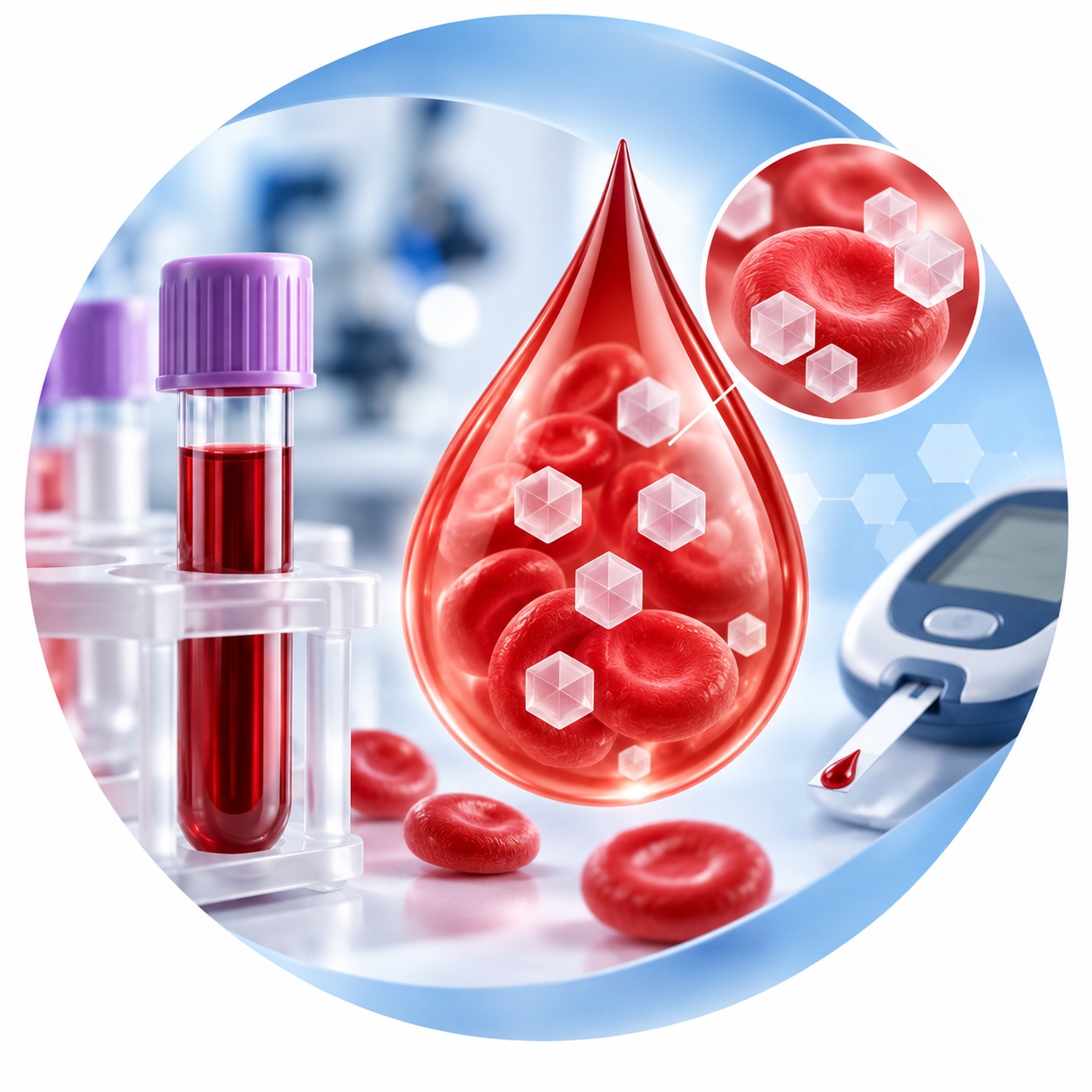
Blood glucose (Glucose) — the basic and most important indicator of carbohydrate metabolism in the body, which reflects the current blood sugar level at the time of taking the biomaterial. The analysis allows you to quickly assess the functioning of the pancreas, detect carbohydrate tolerance disorders, and also timely diagnose diabetes or hypoglycemia.
Glucose is one of the most important organic compounds in biological systems. Sugar, known as glucose, is the main source of energy for the body's cells. The presence and level of glucose in the blood are crucial for the functioning of various organs and tissues, and their imbalance can cause serious medical problems.
Normal blood glucose levels are regulated by a complex a system of interactions between different hormones and organs such as the pancreas, liver, muscles, and fat tissue. The main hormone that regulates blood glucose levels is insulin, which is produced by the beta cells of the pancreas. Insulin helps cells absorb glucose from the blood, thereby lowering its concentration.
When blood glucose levels rise, such as after eating, the pancreas responds by secreting insulin. Insulin helps convert glucose into glycogen in the muscles and liver, and also promotes fat storage. This helps maintain stable blood glucose levels.
However, some people develop a condition known as diabetes, which is caused by the body's inability to process glucose. There are two main types of diabetes: type 1 diabetes and type 2 diabetes. Type 1 diabetes is caused by an autoimmune reaction in which the body's immune system attacks the beta cells of the pancreas, resulting in a lack of insulin production. In type 2 diabetes, the body's cells become less sensitive to insulin or do not produce enough insulin.
Regardless of the type of diabetes, uncontrolled high blood glucose levels can lead to serious complications, such as damage to the kidneys, eyes, heart, nervous system, and other organs. Treatment diabetes includes glucose control in the blood through diet, physical activity, and, in some cases, taking medications or insulin.
To monitor blood glucose levels, people use glucometers, portable devices that measure glucose concentrations using drops of blood. This allows patients to respond to changes in glucose levels in a timely manner and control their condition.
Therefore, blood glucose is a key element for maintaining normal body function. Its level is determined by various factors such as nutrition, physical activity, hormonal status, etc. Regulating blood glucose levels is important for preventing the development of serious diseases such as diabetes.
| Execution time | 1 day |
|---|---|
| Type of biomaterial | Venous blood |
Useful tests