Creatinine
160 UAH
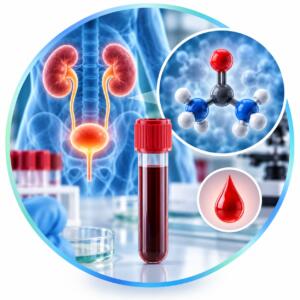
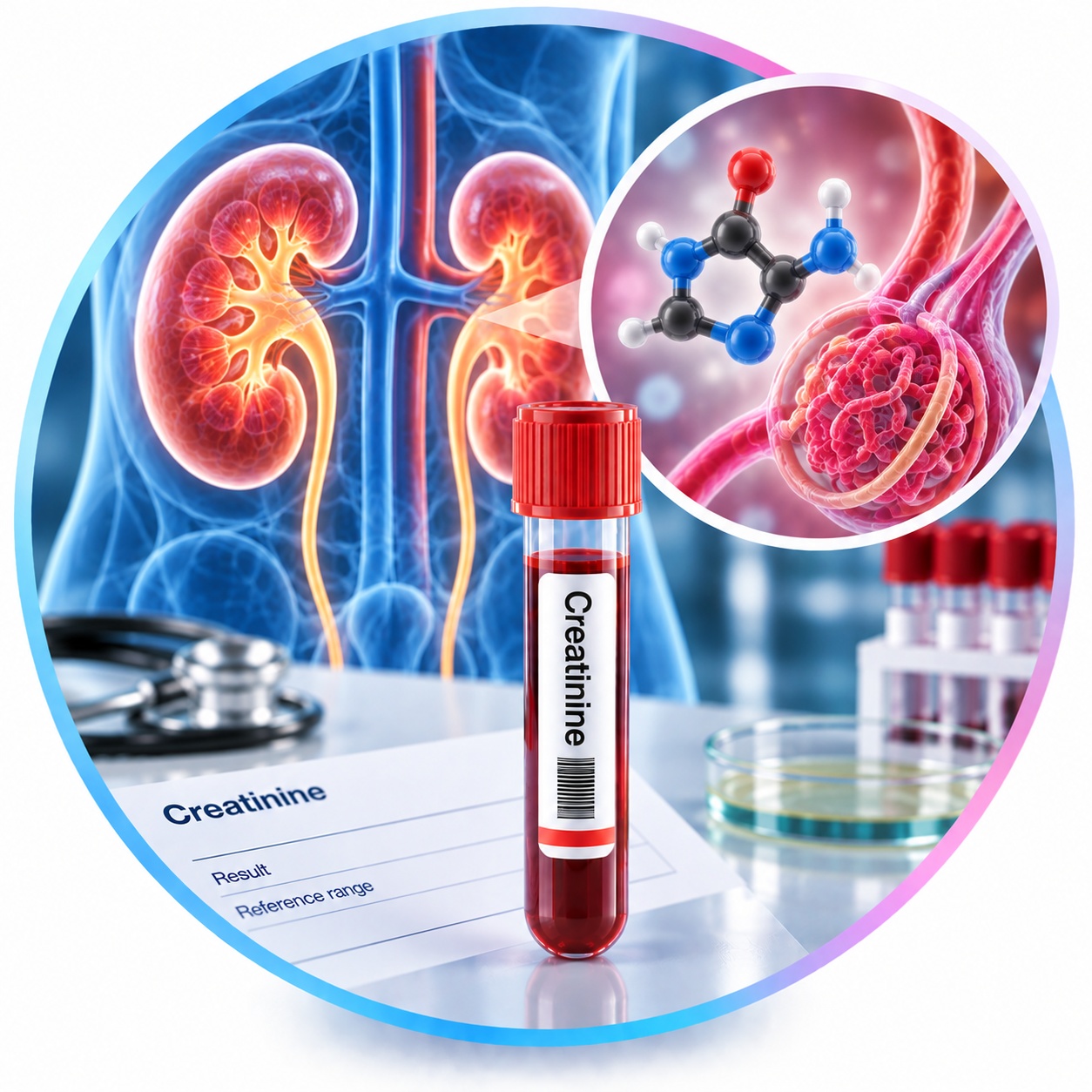
Biochemical analysis blood to assess the functional state of the kidneys and the filtration capacity of the renal glomeruli. Helps to detect kidney dysfunction, renal failure and monitor the effectiveness of treatment.
Creatinine is the end product of the creatine-phosphate reaction, which provides energy metabolism in skeletal muscles and other tissues. It is formed in the body at a constant rate, which depends on the total mass of human muscle tissue, after which it enters the bloodstream and is filtered by the kidneys through the glomerular apparatus, completely excreted in the urine. Since the level of creatinine formation in a healthy person is relatively stable, its concentration in the blood serves as one of the most important and reliable indicators of how effectively the kidneys clear the blood of decay products.
Determination of creatinine level is a basic laboratory test in nephrology, urology and general therapy. An increase in serum creatinine concentration indicates a decrease in renal filtration function (renal failure), which can be caused by acute or chronic kidney diseases, arterial hypertension, diabetes mellitus, dehydration or exposure to toxic substances.
Key indicators (what determines the test)
Serum creatinine (quantitative): A measurement of the concentration of a metabolite (in μmol/L or mg/dL) that reflects the ability of the kidneys to filter the blood.
Glomerular filtration rate (GFR/estimated value): A calculated parameter determined based on creatinine levels taking into account the patient's age, sex, and body weight, and is considered the best criterion for assessing kidney function.
Preparation for the study To ensure maximum accuracy of blood test results, the following rules should be followed:
Fasting: Blood is donated in the morning on an empty stomach (it is recommended to fast for 8–12 hours; drinking clean, non-carbonated water is allowed).
Nutrition: The night before, you should avoid eating large amounts of meat products (since meat contains creatine) and overeating.
Physical and emotional state: One day before the test, avoid intense sports training and excessive physical exertion, which can temporarily increase creatinine levels due to the breakdown of muscle fibers.
Medications: Consult your doctor in advance about the medications you are taking, as some drugs (such as certain antibiotics, diuretics, or nonsteroidal anti-inflammatory drugs) may affect kidney function or test results.
Bad habits: Refrain from smoking at least 1–2 hours before donating blood.
Frequently Asked Questions (FAQ)
What does an elevated creatinine level in the blood indicate? An increase in creatinine indicates that the kidneys are not doing their job of filtering waste products. This may be due to chronic kidney disease, acute injury, nephrotoxic medications, severe dehydration, or excessive muscle mass and intense exercise.
Why does creatinine level depend on muscle mass? Since creatinine is formed as a result of the breakdown of creatine in muscles, people with developed muscles or men usually have slightly higher reference values than women or people with minimal body mass.
When does a doctor order this test? The test is ordered for preventive examinations, suspected kidney disease, diabetes, hypertension, before diagnostic procedures with contrast agents, and to monitor the condition of patients taking medications that are potentially dangerous to the kidneys.
| Execution time | 1 day |
|---|---|
| Type of biomaterial | Venous blood |
Useful tests