Osteocalcin (Osteocalcin, BGP)
470 UAH
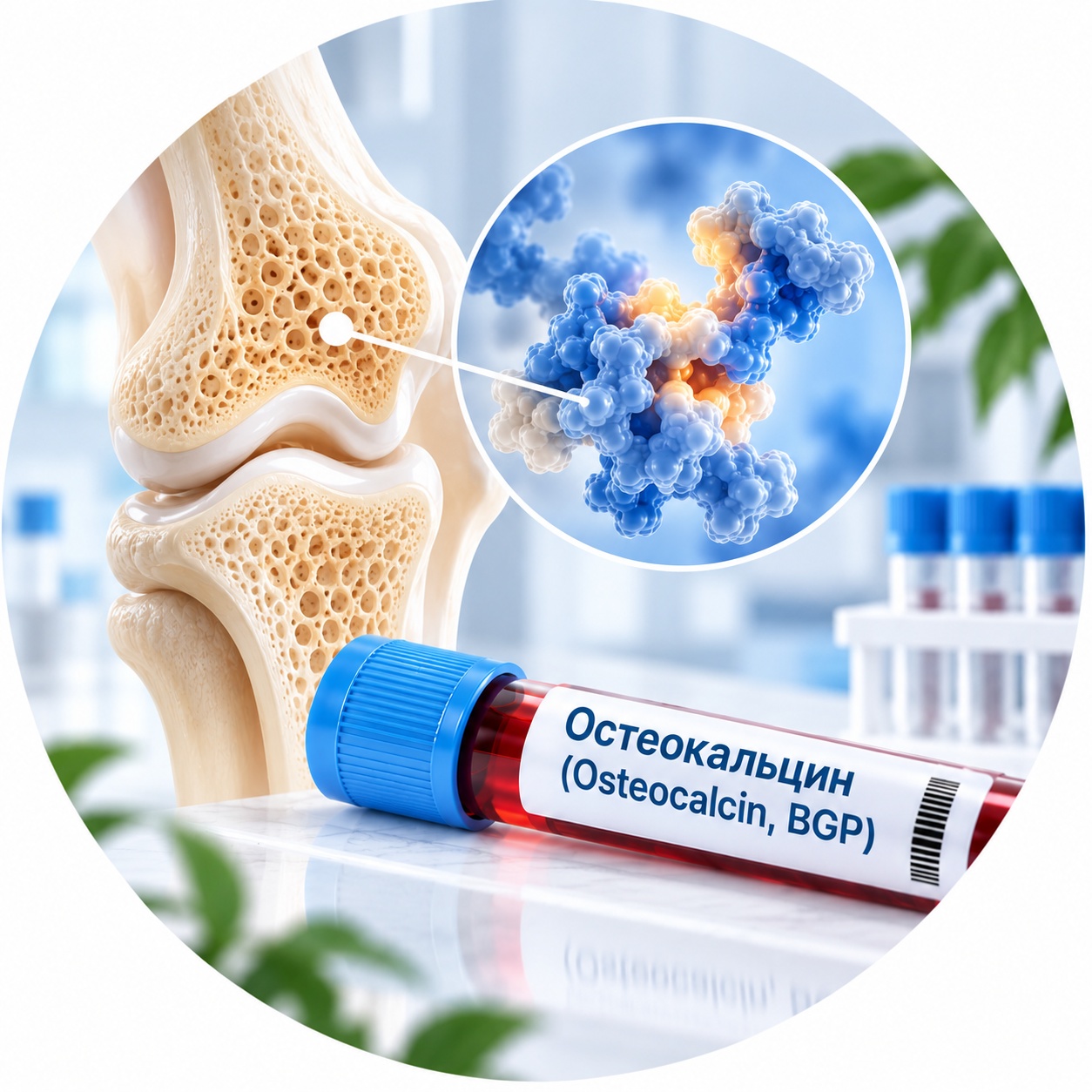
Osteocalcin (BGP) blood test — is a laboratory study of the level of the main non-mucopolysaccharide protein of the bone matrix, which is synthesized by osteoblasts. The test is a sensitive specific marker of the rate of renewal (formation) of bone tissue. The study is used to diagnose osteoporosis, assess the risk of fractures, monitor the effectiveness of antiresorptive therapy, as well as to detect metabolic disorders of bone tissue in diseases of the thyroid and parathyroid glands, renal osteodystrophy and Paget's disease.
Osteocalcin — is a specific protein produced by osteoblasts (cells responsible for bone formation) and is a marker of bone turnover. Its level in the blood can reflect the state of the skeletal system and processes associated with osteoporosis — a disease characterized by decreased bone density and increased risk of fractures.
Biochemical blood tests In the context of an osteoporosis panel, tests that help assess:
- Osteocalcin level: Determines the activity of osteoblasts and the general condition of bone tissue.
- Calcium and phosphorus: Essential minerals involved in bone formation.
- Vitamin D: Important for calcium absorption and maintaining bone health.
- Parathyroid hormone (PTH): Affects the metabolism of calcium and phosphorus in the body.
Benefits of the study
- Timely osteoporosis diagnosis: Detecting low bone density early allows steps to be taken to prevent fractures.
- Monitoring the effectiveness of treatment: After therapy begins, bone turnover markers, such as osteocalcin, help assess how effective the treatment is.
- Individual approach: The results of the study allow the doctor to develop a personalized treatment and prevention plan.
Who is recommended?
Osteocalcin testing and osteoporosis panel are recommended:
- For older people.
- Those with a family history of osteoporosis.
- Postmenopausal women.
- Individuals taking corticosteroids or other medications that may affect bone mass.
Procedure
The test is performed by taking blood from a vein, after which the sample is analyzed in a laboratory.
Osteocalcin and biochemical blood tests are important tools for assessing the state of the skeletal system, which helps in the early detection of osteoporosis and monitoring the effectiveness of treatment. Contact specialists for detailed information and advice on conducting these tests.
| Execution time | 1 day |
|---|---|
| Type of biomaterial | Venous blood |
Useful tests