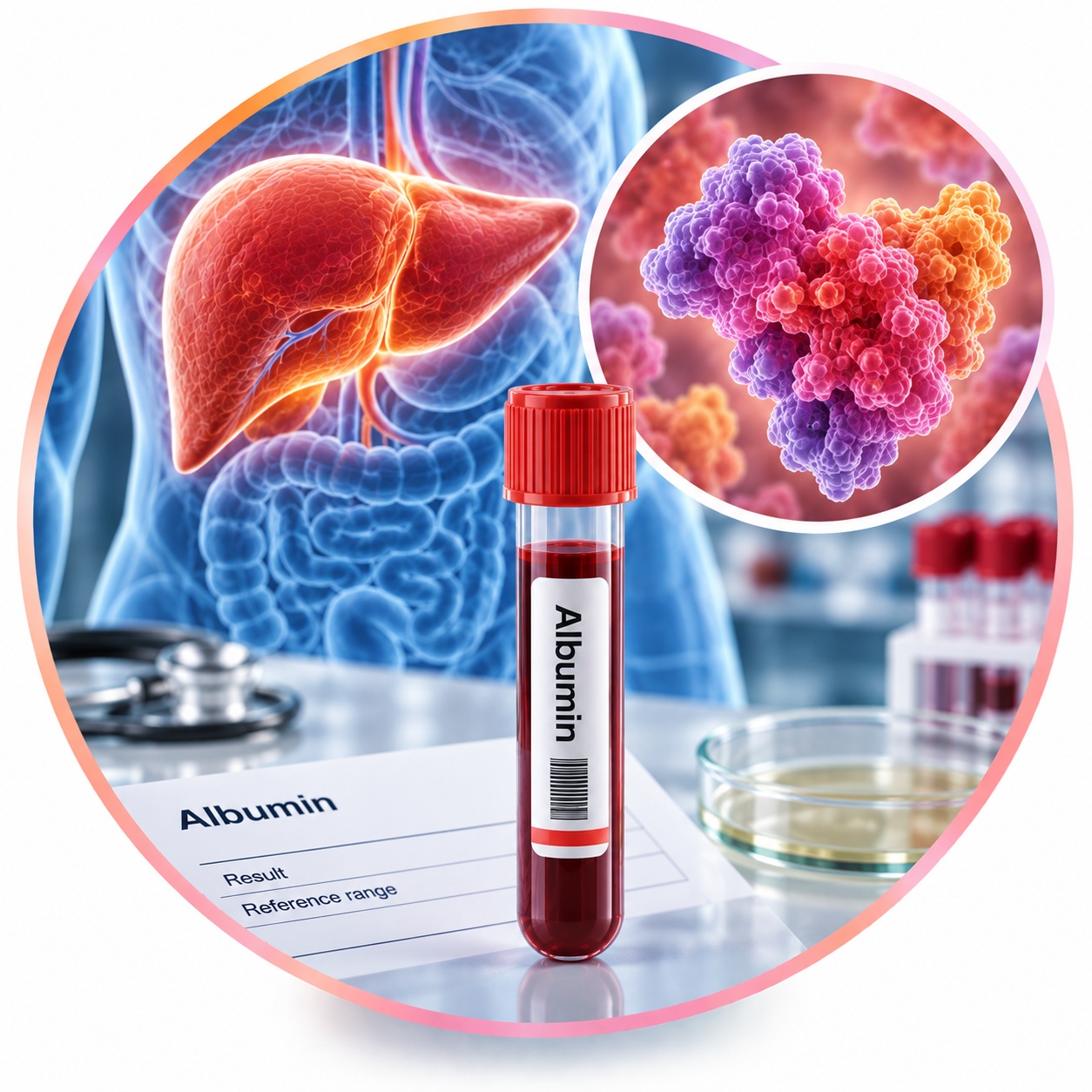

Albumin
160 UAH
Biochemical analysis blood to assess liver synthetic function, total protein balance, and kidney status. Helps detect edema, chronic inflammatory processes, nutritional disorders, and monitor the effectiveness of treatment for serious diseases.
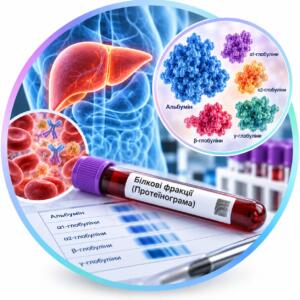
Albumin is one of the most important proteins in the blood and other tissues of the body. It performs numerous functions that are of great importance for maintaining normal body functioning. Albumin is produced mainly in the liver and plays an important role in ensuring the stability of fluid levels in blood vessels and tissues.
One of the main functions of albumin is to maintain the oncotic pressure of the blood. This helps to retain fluid and solutes in the blood within the blood vessels, preventing them from being lost to the tissues. This is especially important for maintaining the correct blood volume and ensuring normal organ function.
Albumin also plays a role in transporting various substances in the blood. It is able to bind and transport various substances, such as hormones, fat-soluble vitamins, and drugs. This helps ensure the delivery of these substances to various organs and tissues, where they perform their functions.
Additionally, albumin is an important reservoir of amino acids. The body can use the amino acids released during albumin breakdown to synthesize other proteins and various biochemical processes. This is especially important during periods of increased protein demand, such as during growth, pregnancy, and recovery from injury.
Albumin also finds application in medical practice. Albumin preparations are used to treat patients with low levels of protein in the blood, such as patients with kidney failure or surgical procedures that cause significant protein loss. Albumin can also be used to dilute drugs and deliver them to the site of action in the body.
It should be noted that despite all the beneficial functions of albumin, some diseases and conditions can lead to a decrease in its level in the blood. This can cause problems with fluid balance, transport of substances and other disorders. Therefore, it is important to identify and treat such conditions to maintain normal body functioning.
Overall, albumin is a key protein that performs many important functions in the body. It helps maintain a stable fluid balance, transports various substances, and provides a reserve of amino acids for the body. Albumin also has widespread medical uses to treat patients with low levels of protein in the blood.
| Execution time | 1 day |
|---|---|
| Type of biomaterial | Venous blood |
Useful tests