
Vitamin D (25OH Vitamin D total (D2+D3))
540 UAH
25-hydroxyvitamin D (25(OH)D) — main biochemical marker for assessing the body's well-being vitamin D (total D2 + D3). The study is necessary to monitor bone health, immune function, and the cardiovascular system.
- Biomaterial: venous blood
- Deadline: 1 calendar day
- Preparation: fasting (8–12 hours of fasting)
Vitamin D is one of the most important nutrients for our body. It plays a role not only in maintaining healthy bones and teeth, but also has a significant impact on the immune system, cardiovascular system, nervous activity and other multifunctional processes.
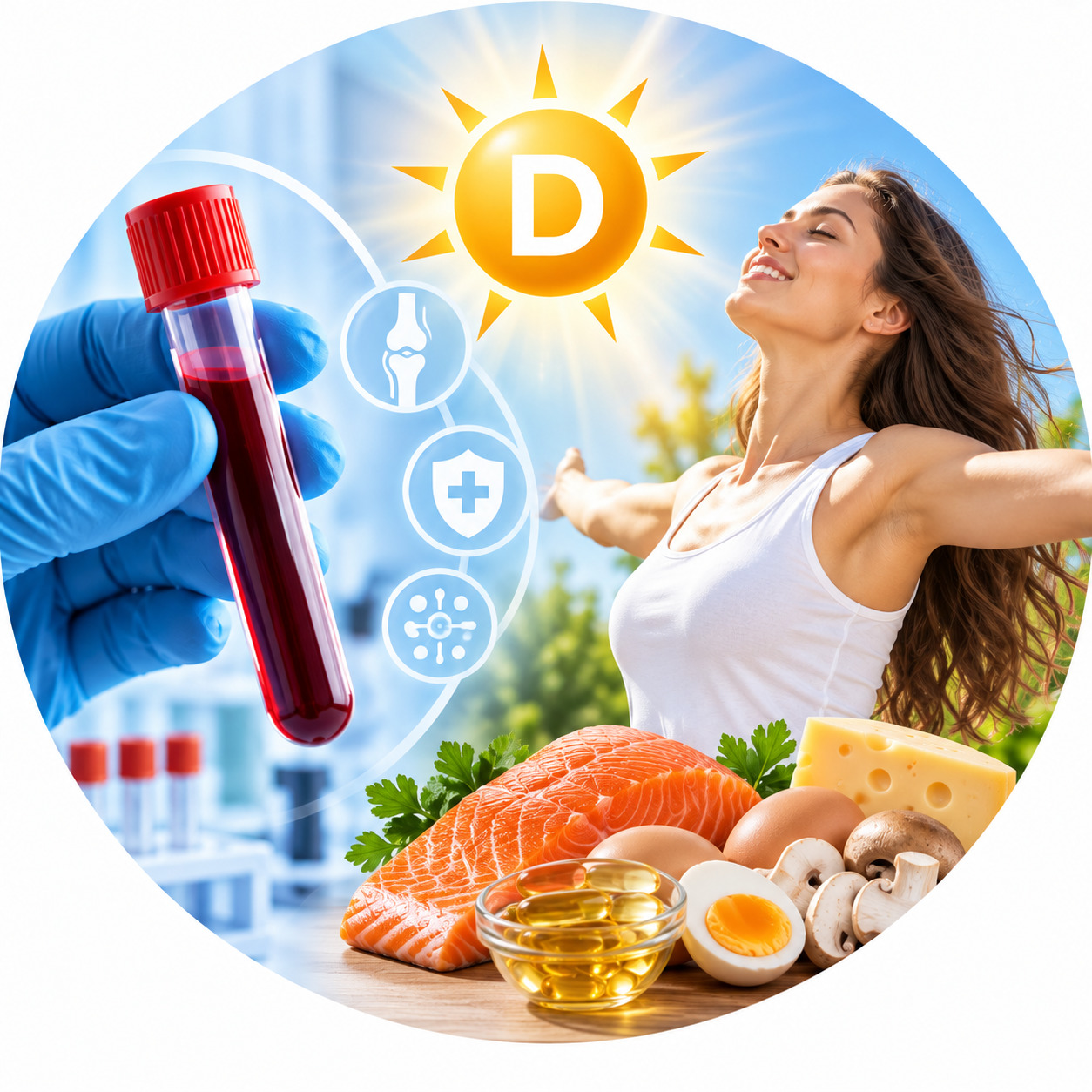
The main source of vitamin D is sunlight. When our skin interacts with ultraviolet (UV) rays from the sun, precutaneous provitamin D is formed, which is then converted to the active form in the body. However, due to various factors such as geographical location, weather conditions, use of sunscreen, and others, it can be difficult to get enough vitamin D from the sun. Therefore, it is important to balance adequate sun exposure with additional sources of vitamin D in the diet.
Vitamin D can also be obtained from some foods. The main sources of this vitamin include fatty fish (salmon, sardines, cod), eggs, dairy products that are fortified with vitamin D, and some dietary supplements. However, it is worth remembering that natural sources of vitamin D may be insufficient for some groups of people, especially in winter or when access to certain foods is limited.
Vitamin D deficiency can lead to various problems health. One of the main consequences of insufficient vitamin D is poor bone health, as this vitamin helps to properly absorb calcium and phosphorus, which are necessary for strong bones. In children, this can lead to rickets and in adults, osteoporosis.
Vitamin D's significant impact on the immune system is also worth noting. It helps the body fight infections and prevents inflammation. Vitamin D deficiency can lead to an increased risk of respiratory diseases and other infections.
Scientific studies have also shown a link between vitamin D and heart health. Adequate levels of vitamin D may reduce the risk of developing cardiovascular diseases, such as high blood pressure and heart attack.
If you are diagnosed with a vitamin D deficiency, your doctor may recommend taking additional vitamin D supplements. However, it is important to remember that taking too much vitamin D can also be harmful to your body, so it is important to follow your doctor's recommendations.
Therefore, vitamin D is an essential part of our health. To ensure adequate levels of this vitamin, it is important to combine reasonable sun exposure with a varied diet rich in natural and supplemental sources of vitamin D. Remember that a healthy diet and a healthy lifestyle are key factors in ensuring your well-being.
| Execution time | 1 day |
|---|---|
| Type of biomaterial | Venous blood |
Useful tests