
Neuropsychological tests: when they are needed and what they can show
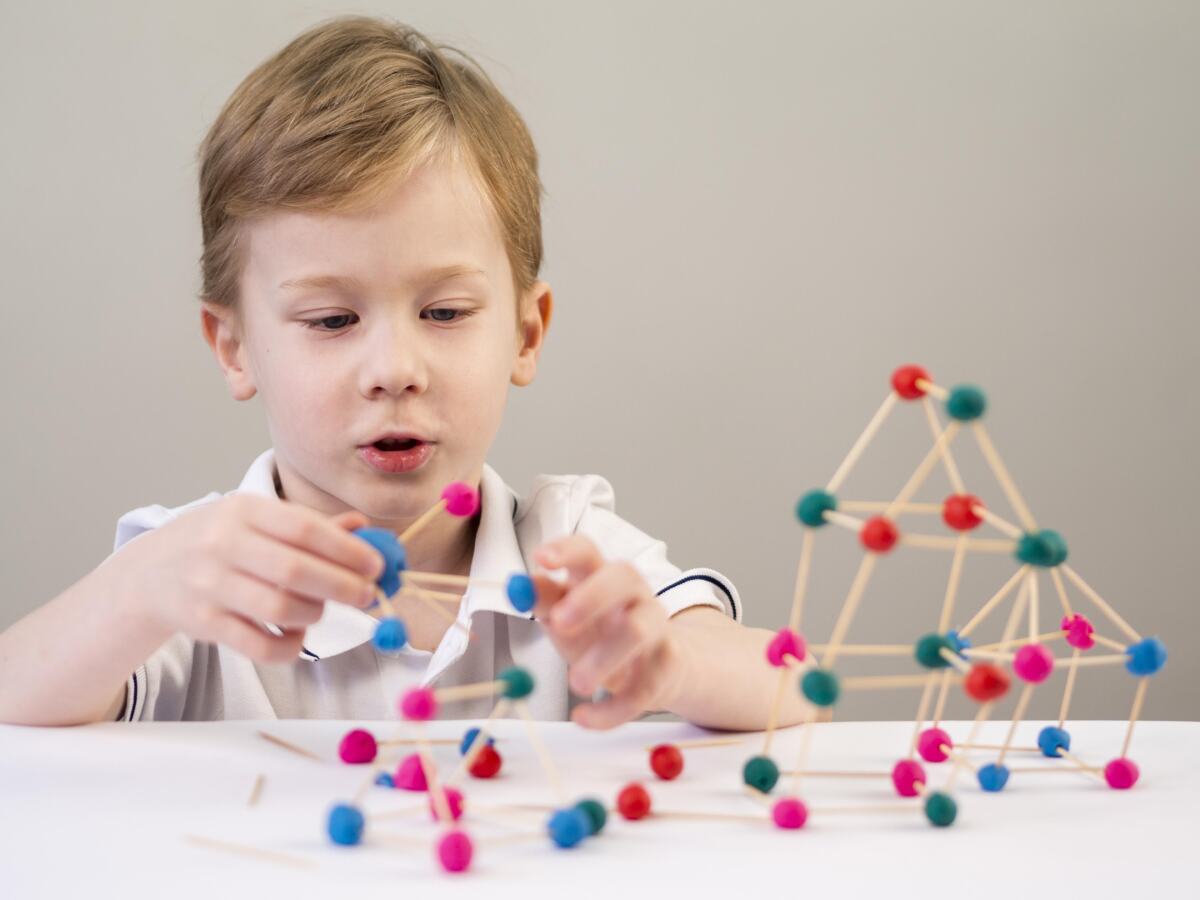
When a child begins to remember worse, gets tired quickly in class, confuses words, cannot maintain attention or has a sudden change in behavior, it is often difficult for parents to understand what is happening. Neuropsychological tests are needed for this: they help to see how the child's memory, attention, speech, thinking, information processing speed and other cognitive functions work. Such an examination is used in children and adolescents when there is a suspicion that the difficulties are related to development, a neurological condition or the consequences of an illness or injury.
The most important thing for parents to know is this: this is not an “exam” or a test to see if the child is “smart.” The neuropsychologist’s task is not to give a grade, but to understand what exactly the child is struggling with and what, on the contrary, is his or her strong point. That is why the results of such an examination help not only the doctor, but also the family and the school: they provide a basis for real support, not guesswork.
When a neuropsychological examination may be recommended for a child
This test is often recommended if there are difficulties with learning, attention, memory, speech, planning, or behavior. It may also be ordered after a traumatic brain injury, epilepsy, after treatment for neurological or oncological diseases, or when you need to better understand how a medical condition affects a child's development and learning.
Sometimes parents worry that a referral for such an examination means something very serious. In fact, it is not. Often it is carried out precisely in order to clarify the situation: whether difficulties with attention and learning are related to brain development, or whether they are the consequences of stress, illness, overwork or another condition. The earlier there is a clear picture, the easier it is to help the child without unnecessary pressure and without incorrect labels.
What exactly is tested during neuropsychological tests?
| What is being assessed? | Why is this needed? |
|---|---|
| Memory | To understand how a child remembers and reproduces new information |
| Attention and concentration | To see if the child can maintain focus and doesn't get tired too quickly |
| Speech | To assess language comprehension, word selection, and sentence construction |
| Thinking and planning | To understand how a child solves tasks, plans actions, and switches between them |
| Information processing speed | To see if your child needs more time for routine intellectual tasks |
| Visual-spatial skills | To assess spatial orientation, perception of form, diagrams and drawings |
| Emotional and behavioral state | To understand how anxiety, mood, or behavioral difficulties affect learning and daily life |
Child neuropsychology does indeed assess a wide range of functions: intellectual functioning, learning skills, speech, nonverbal and visuospatial skills, memory, attention, processing speed, executive functions, and emotional and behavioral adaptation. That is why the examination provides a more comprehensive picture than just “good or bad learning”.
What does it look like for a child?
Typically, a neuropsychological examination is conducted in a relaxed environment and consists of a conversation, paper tasks, cards, drawings, answers to questions, simple logical exercises or tasks for memory and attention. That is, it is not a painful procedure and it is not a device to be afraid of. The child is not “tested for strength” - the specialist simply watches how he copes with different types of tasks.
The duration can vary. A full examination sometimes takes several hours, but breaks are taken if necessary or even some tasks are postponed to another day. Some clinics advise parents to make sure that the child has had enough sleep, eaten before the visit, and to bring glasses or hearing aids if they are needed in everyday life. This helps to get a more accurate result without unnecessary exhaustion.

What signs should parents look out for at home?
Sometimes a child cannot directly say that he is having difficulty, so parents notice the first signals in everyday life. It is worth paying attention if the child quickly gets tired of the usual mental loads, has difficulty remembering instructions, often asks the same thing again or gets lost when the task consists of several steps. An alarming signal can also be a situation when the child knows the material, but cannot concentrate and complete the work consistently.
Attention needs to be paid to difficulties with concentration. For example, a child is easily distracted, does not finish tasks, loses the thread of a conversation, cannot stay on one task for long, or becomes nervous when it is necessary to concentrate. Sometimes this manifests itself not as «inattention» but as irritability, refusal to do activities, tears during school, or extreme exhaustion after school.
Parents should also pay attention if their child has difficulty speaking, finding words, retelling text, memorizing poems, following a sequence of events, understanding complex explanations, or completing tasks that were previously easy. It is especially important not to ignore such changes if they appear after an illness, injury, severe stress, or a noticeable decline in academic performance.
How does a neuropsychological study differ from a consultation with a neurologist or speech therapist?
This is a common question from parents, and it is quite understandable. A neurologist assesses the state of the nervous system: reflexes, coordination, muscle tone, complaints that may be related to the functioning of the brain or nerves. A speech therapist works primarily with speech: sounds, pronunciation, vocabulary, grammar, coherent speech, and speech difficulties.
Neuropsychological testing has a different goal. It helps to see the bigger picture: how a child's attention, memory, thinking, speech, perception, self-control, action planning, and learning ability work. That is, a neuropsychologist looks not only at a single problem, but at how different functions are interconnected and how they affect learning, behavior, and everyday life.
That’s why these professionals don’t replace each other. In many cases, they complement each other: a neurologist helps assess a medical condition, a speech therapist helps assess speech difficulties, and a neuropsychologist helps understand how a child perceives, processes, and uses information. For parents, this means one thing: different professionals look at their child from different angles, and together they provide a more accurate and useful picture.
How to prepare your child for the examination
The best preparation is a calm and honest conversation. Don't tell your child that they are going to be "tested" or that they have to "do well on the test." It's better to explain it simply: this is a meeting with a professional who wants to understand how they can think, remember, speak, and complete tasks more easily. This approach reduces anxiety and helps the child feel more secure.
Before the examination, it is advisable for the child to have had some sleep, breakfast or a meal, and not be very hungry or exhausted. If the child wears glasses, hearing aids, or other regular devices, they should be brought with them. It is also useful to have water and, if necessary, a light snack, especially if the appointment will last longer.
It is also important for parents to be calm. There is no need to repeat the tasks with the child for a long time before the examination, to train them or to worry them with words like «just try not to be embarrassed». Here they are not looking for the perfect answer and they do not give grades. The task of such an examination is not to test the child for «correctness», but to see how he is actually given different types of loads. That is why the best thing parents can do is to let the child feel that this is not an exam, but a step towards understanding him better.
What parents receive after the examination
After the study is completed, the family usually receives a conclusion with an explanation: which functions the child has developed better, where there are difficulties, how this may affect learning and daily life, and what steps can help further. These may include recommendations for school, tips for home support, guidelines for teachers, or a basis for further consultation with a neurologist, psychiatrist, speech therapist, or other specialist.
For many parents, the most valuable thing is not the “score” on the test itself, but the feeling that they finally have a clear explanation: why the child is struggling, where they need help, and what they can rely on. Neuropsychological studies do not put a label on the child. On the contrary, they often help to see their real needs — calmly, without accusations, and with a focus on support.

Director of Medi Lab Plus LLC, a doctor of the highest category. Has over 45 years of practical experience in medicine and laboratory diagnostics. Founder and head of the laboratory since 2007. More details…

