


Medilab+

HIV testing: what is important to know before testing

HIV testing is not just a “check for peace of mind,” but a way to get a clear answer when there is a risky contact, doubts, or a desire to monitor your health. The most important thing here is not just to take the test, but to do it at the right time. It is because of the so-called testing window that a test that is too early can be falsely negative, even if the infection has already occurred. Many people postpone the test because they are afraid of the result or are waiting for symptoms. But this is false logic. Some people do have flu-like symptoms for 2–4 weeks after infection, but some do not have them at all. Therefore, the only way to find out their HIV status is to get tested. What are the HIV tests? Today, three main types of tests are used. The first is an antibody test. This is the group that most rapid tests and self-tests belong to. The second is a combined antigen/antibody test, which looks not only for antibodies, but also for the p24 antigen, so it can...
Uterine cancer markers: what they can show and what you shouldn't expect from them
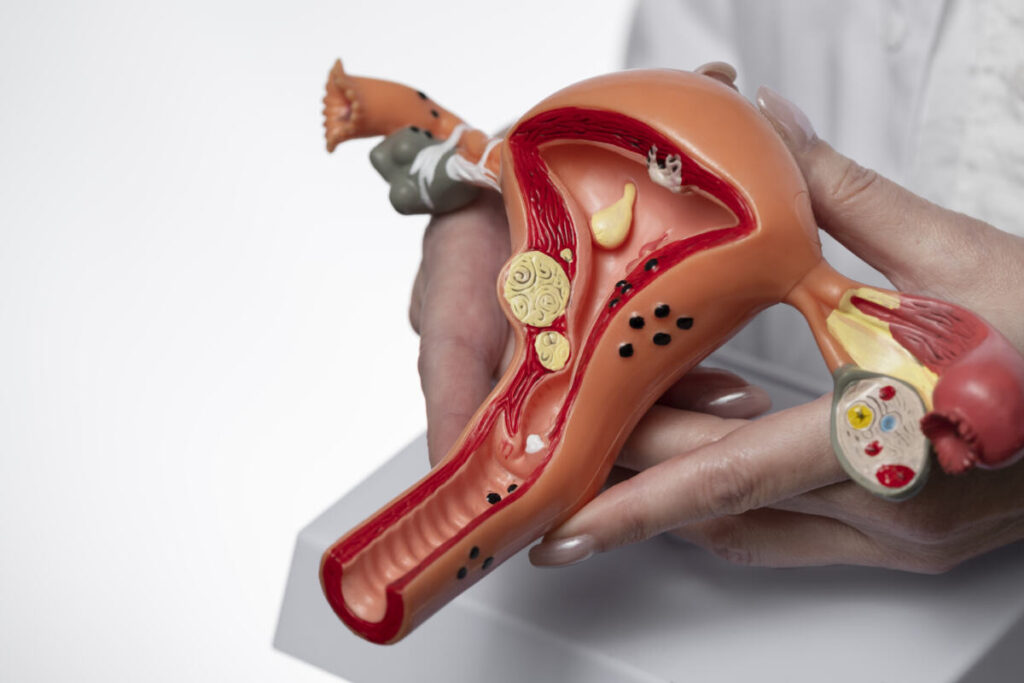
When people search for information about uterine cancer markers, they often expect that there is one accurate blood test that will either confirm or rule out the disease. But in practice, things are not so simple. First, the phrase «uterine cancer» is often used to refer to different conditions in everyday life: cancer of the uterine body, that is, endometrium, and cervical cancer. Second, the approaches to their detection differ. There is no standard routine screening test for endometrial cancer, and for cervical cancer, the main tools remain the HPV test and the PAP test, not a blood test for tumor markers. The most important thing to know right away: tumor markers in the blood generally do not work very well as a screening for people without symptoms. The US National Cancer Institute explicitly states that circulating tumor markers are often not sensitive enough or specific enough for the early detection of cancer without symptoms. That is why a normal or elevated value in itself does not establish or rule out a diagnosis. Or...

Tests after casual sexual contact: what to do and when to take them
After casual sexual contact, people most often make one of two mistakes: either they take all the tests the next morning, or, on the contrary, they postpone everything “for later”, hoping that if there are no symptoms, then there is no problem. In fact, the correct tactic is to calmly assess the risk, not to miss the first hours for emergency prophylaxis and to take the tests at those times when they will really be informative. Many sexually transmitted infections may not cause symptoms for some time, so you should not focus only on your well-being. What is important to do in the first 72 hours If the contact was risky for HIV, the most important thing is not to wait for the test results, but to seek medical help as soon as possible. The CDC emphasizes that post-exposure prophylaxis for HIV, i.e. PEP, should be started no later than 72 hours after possible contact, and that after this period it is usually no longer recommended. The sooner a person applies, the better. Separately, it is worth...
Stool analysis for dysbiosis: what is actually being looked for in the laboratory
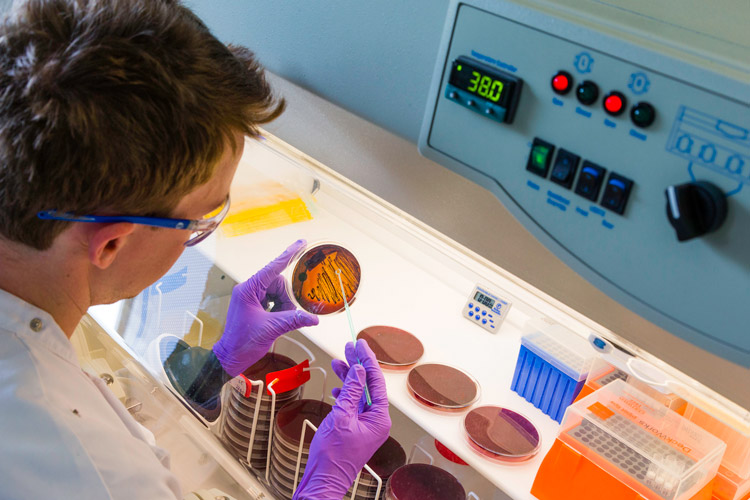
When bloating, loose stools, rumbling, discomfort after eating, or diarrhea after antibiotics appear, many people start looking for a “stool test for dysbiosis.” And it’s understandable: you want to find one cause for all intestinal symptoms. But in real medicine, things are a little more complicated. Dysbiosis is not a separate disease or a single standard laboratory test, but a term to describe an imbalance of microorganisms in the microbiome. That’s why doctors usually don’t look for “dysbiosis in general,” but for specific things: infection, inflammation, parasites, C. difficile after antibiotics, or other causes of complaints. This is an important point for the patient: if you are concerned about your intestines, a stool test for dysbiosis will not always be the most useful or only study. For example, a stool culture looks for bacteria that can cause intestinal symptoms; calprotectin helps assess inflammation in the intestine; a C. diff test is needed for diarrhea after antibiotics; an analysis for eggs and parasites is needed if a parasitic infection is suspected....

Bone metabolism: why bones are constantly changing
Bones are not «fixed structures» that simply wear out with age. They are living tissue that is constantly being rebuilt: one part of the old bone is destroyed, and a new one is formed in its place. This continuous process is called bone metabolism or bone remodeling. Normally, it helps the skeleton to remain strong, adapt to stress, and maintain a balance of minerals in the body. Several types of cells are involved in this process. Osteoclasts «remove» old bone tissue, osteoblasts form new bone, and osteocytes help manage this balance and respond, in particular, to stress during movement. If destruction and repair are balanced, the bone maintains normal density and strength. If destruction begins to prevail, the risk of osteopenia and osteoporosis increases. What affects bone metabolism the most? Calcium, vitamin D, hormonal regulation, and physical activity play the most important roles. Calcium is needed to maintain bone strength, and vitamin D helps the body absorb it. Parathyroid hormone, or...

Atopic dermatitis: how to understand what it is and what really helps
When the skin is constantly itchy, red, dry, and “won’t settle down,” many people think it’s an allergy to food, powder, or “something seasonal.” But very often, such complaints are caused by atopic dermatitis, a chronic skin condition that can begin in childhood but can also affect adults. It is characterized by dryness, itching, inflammation, and flare-ups when the skin reacts more strongly than usual. It is also important to note that atopic dermatitis is not contagious. Atopic dermatitis is often associated with very sensitive skin and a disruption of its protective barrier. This causes the skin to lose moisture more quickly, become irritated more easily, and react more strongly to common things like dry air, overheating, sweat, harsh detergents, fur, scented cosmetics, or stress. In children, the rash often appears on the cheeks, arms, and legs, and with age, it often spreads to the folds of the skin—elbows, knees, neck, and wrists. What does atopic dermatitis look like? The most noticeable symptom...

Rapid diagnostic technologies: why they have become so important
A few years ago, a rapid test was associated mainly with pregnancy or a blood glucose meter. Today, rapid diagnostic technologies are a much broader field: from home tests and point-of-care systems in clinics to molecular platforms that provide results in a single visit. Their main value is that they reduce the time between the onset of symptoms, examination and decision on further action. It is speed that in many cases changes not only the patient's comfort, but also the effectiveness of treatment. According to the NIBIB definition, rapid diagnostic tests are tools that help to quickly detect or diagnose a condition, often directly at the point of care. They can be performed at home, in a doctor's office or in settings where there is no full-fledged laboratory. Typical features of such technologies are results usually within an hour or less, simple sample collection, portability and ease of use. What is point-of-care and why is it so talked about Point-of-care diagnostics -...
Early cancer diagnosis: what really works
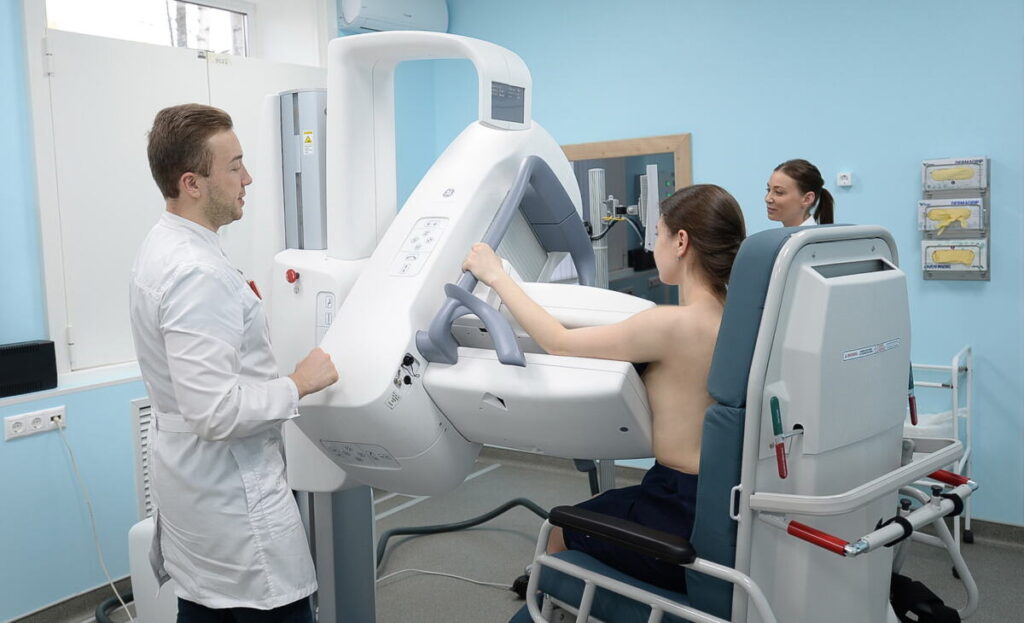
Early cancer diagnosis is not one “universal test”, but a whole system of actions that helps to find the disease as early as possible. It consists of two different directions: early detection of cancer in people who have already developed symptoms, and screening in people without symptoms, if there is a proven examination method for a certain type of cancer. This approach is considered the basis of modern cancer prevention, because early detection increases the chances of more effective treatment, less complex therapy and a better prognosis. The most common mistake is to look for a “test for everything” or to think that early cancer diagnosis is equal to a package of tumor markers. In fact, evidence-based medicine works differently: for some tumors there are screening methods that have proven beneficial, and for others the main thing is not to miss alarming symptoms and consult a doctor in time. The US National Cancer Institute directly notes that only some screening tests have a proven ability to detect cancer early and reduce the risk...

Vitamin levels: preparing for tests without unnecessary mistakes
When a person decides to check their vitamin levels, it often seems like a simple test without any special rules. But it is during the preparation stage that many mistakes occur: someone donates blood after breakfast, someone continues to take supplements “as usual”, and someone, on the contrary, cancels the drugs on their own. In fact, there is no universal rule for all vitamin tests: preparation depends on what indicator is being tested, what method the laboratory uses, and whether the person is taking vitamins or medications that may affect the result. MedlinePlus directly indicates that special instructions may differ for different laboratory tests, so you should not rely on general advice from the Internet, but on the instructions of your doctor or laboratory. The most important rule before any vitamin test is to report exactly what supplements, multivitamins, injections or medications you are taking. This applies to both regular dietary supplements and “hair vitamins” and sports complexes. MedlinePlus for tests for vitamin D, B12,...

Hormone-dependent cancer test: what is actually tested
When people hear the phrase «hormone-dependent cancer test,» it often seems as if there is one special test that will immediately show whether a tumor is hormone-dependent. In fact, everything is a little different. In most cases, we are talking about studying receptors in tumor tissue — primarily estrogen and progesterone receptors. Most often, this approach is used in the diagnosis of breast cancer, where receptor status helps to understand how a tumor behaves and what treatment may be effective. In simple words, doctors look for receptor proteins on tumor cells that hormones can “attach” to. If such receptors are present, the tumor is called hormone-receptor-positive. If they are absent, it is called hormone-receptor-negative. For the patient, this is important not only as a wording on a form, but as an answer to a practical question: can hormonal, or endocrine, therapy help restrain tumor growth. What exactly does this analysis show? Most often, you will see the designations ER and PR in the result. ER is estrogen receptor, PR...
