
Rapid diagnostic technologies: why they have become so important
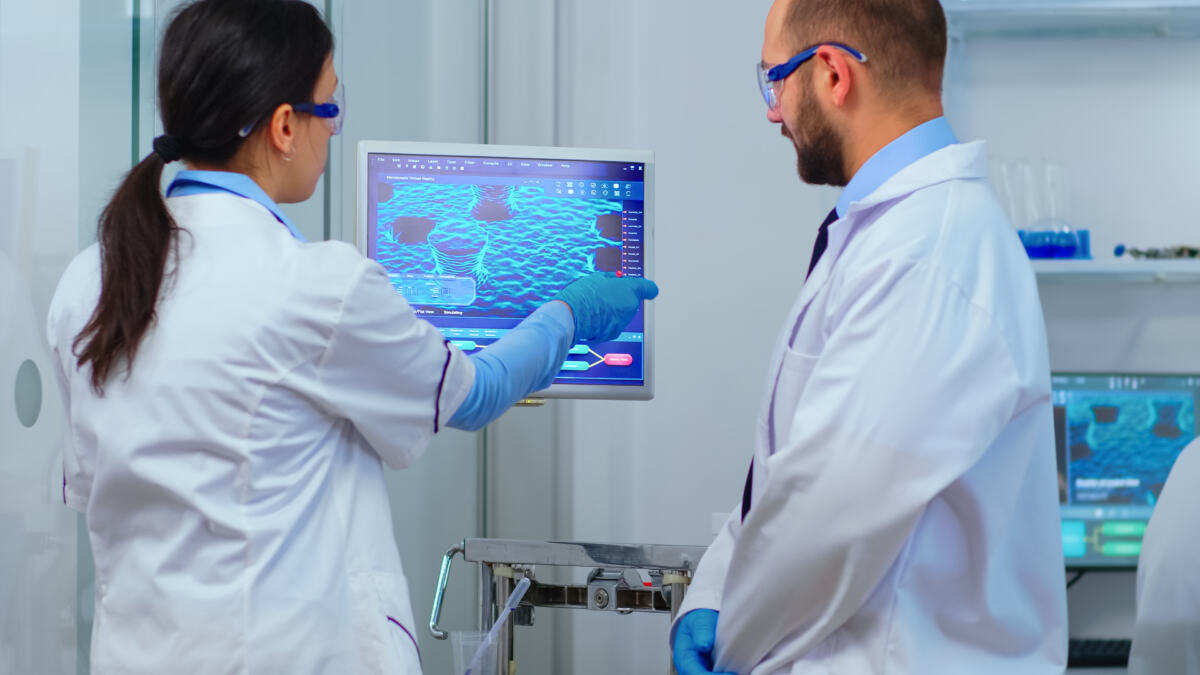
A few years ago, a rapid test was associated mainly with pregnancy or a glucometer. Today, rapid diagnostic technologies are a much broader field: from home tests and point-of-care systems in clinics to molecular platforms that provide results in a single visit. Their main value is that they reduce the time between the appearance of symptoms, examination and decision on further action. It is speed that in many cases changes not only the comfort of the patient, but also the effectiveness of treatment.
According to the NIBIB, rapid diagnostic tests are tools that help to quickly detect or diagnose a condition, often at the point of care. They can be performed at home, in a doctor’s office, or in settings where a full-fledged laboratory is not available. Typical features of such technologies include results usually within an hour or less, simple sample collection, portability, and ease of use.
What is point-of-care and why is there so much talk about it?
Point-of-care diagnostics are tests performed as close to the patient as possible: not after a long transport of the sample to the laboratory, but on site - in the emergency department, outpatient clinic, family doctor's office or even at home. For the patient, this means less waiting, fewer repeat visits and a faster understanding of what to do next. For the doctor, it means the ability to make decisions not “in a few days”, but during the same consultation.
The FDA also notes that more and more IVD tests, i.e. laboratory diagnostic tests on blood, tissue or other materials, are moving beyond the traditional laboratory to home and point-of-care formats. This has become especially noticeable after the pandemic, and the number of such solutions is expected to continue to grow.
What rapid diagnostic technologies are most commonly used?
The most well-known group is immunochromatographic or lateral flow tests. Many home rapid tests belong to this group: for example, antigen tests, pregnancy tests, and some rapid solutions for infectious screening. They are easy to perform, do not require complex equipment, and often provide results in a matter of minutes.
The second important group is molecular rapid diagnostic technologies. These are systems based on nucleic acid amplification, in particular PCR. MedlinePlus emphasizes that PCR tests are able to detect very small amounts of genetic material of the pathogen or atypical cells and therefore can work at early stages, when other methods are even less sensitive. This is what has made molecular diagnostics one of the most important platforms in modern medicine.
The third large group is portable biosensors and monitoring systems. The most familiar example is glucose testing. But the general idea is broader: the idea is to obtain medically relevant data quickly, simply and close to the person, without cumbersome infrastructure. NIBIB explicitly cites glucose testing and pregnancy testing as typical examples of rapid diagnostics.
A separate direction is the combination of diagnostics with digital tools. The FDA notes that modern OTC and point-of-care solutions increasingly work in conjunction with applications, software and wireless data transmission. This is important not only for patient convenience, but also for clinical decisions, remote monitoring and even for public health during outbreaks of infections.
Table: which rapid diagnostic technologies are most common
| Technology | Where is it used? | Strength |
|---|---|---|
| Lateral flow / rapid tests | Home, pharmacy, outpatient clinic | Simplicity, speed, minimum equipment |
| Point-of-care molecular tests | Clinic, emergency room, outpatient clinic | Fast results with higher analytical accuracy |
| PCR diagnostics | Laboratory and sometimes rapid molecular platforms | Detection of very small amounts of genetic material |
| Biosensors and monitoring | Home, chronic management, telemedicine | Regular monitoring and quick response to changes |
| Digital OTC/POC systems | Home and clinic | Real-time data transmission, storage and analysis |
What is the main advantage for the patient?
The biggest advantage is the reduced time to decision. If the result is available during a single visit, the doctor can order additional tests more quickly, start treatment or, conversely, avoid unnecessary appointments. For infections, it is also a matter of transmission control: the sooner a person learns about their condition, the sooner they can act. NIBIB emphasizes that rapid tests are often used as a first line of diagnosis precisely because of their speed and relatively low cost.
Another advantage is accessibility. Portable systems are useful where there is no large laboratory, complicated logistics, or the possibility of waiting several days. For the patient, this means simpler medicine: fewer barriers between complaint and response.
Why fast doesn't always mean the same
Despite all their advantages, rapid diagnostic technologies should not be seen as a complete replacement for a laboratory in any situation. Different methods have different sensitivities, specificities, and scopes of application. For example, PCR tests are well suited for detecting very small amounts of genetic material, while simple rapid tests are often more valuable as a quick-start tool. That is why the right choice of technology depends on the clinical request, and not just on the desire to get a result as quickly as possible.
It is also important that rapid solutions are not just fast, but validated. NIBIB notes that tests approved for patient diagnosis have appropriate sensitivity and specificity indicators. That is, the real value rapid diagnostics — not in the word “express” itself, but in the combination of speed and clinical reliability.
Where is this field heading?
Today, rapid diagnostic technologies are moving in several directions at once: even smaller devices, easier sample collection, broader panels for a single test, integration with digital platforms, and use in precision medicine. The FDA explicitly indicates that IVDs can also be used in precision medicine — for example, to identify patients who will benefit most from a particular therapy, including through next-generation tests that scan DNA for genomic variations.
That is why rapid diagnostics today is no longer just a “strip with a result”, but an entire ecosystem: a test, a device, an interpretation algorithm and a digital data transmission channel. For the patient, this means faster, more flexible and personalized medicine. For the healthcare system, it is a chance to make decisions more quickly and accurately.

Deputy Director of Medi Lab Plus LLC, an expert in the field of clinical laboratory diagnostics with over 15 years of experience. Ensures quality control of research and implementation of innovative methods according to international standards. Verifies medical materials for the site. More details…