
Rapid test technology: how 15-minute diagnostics work

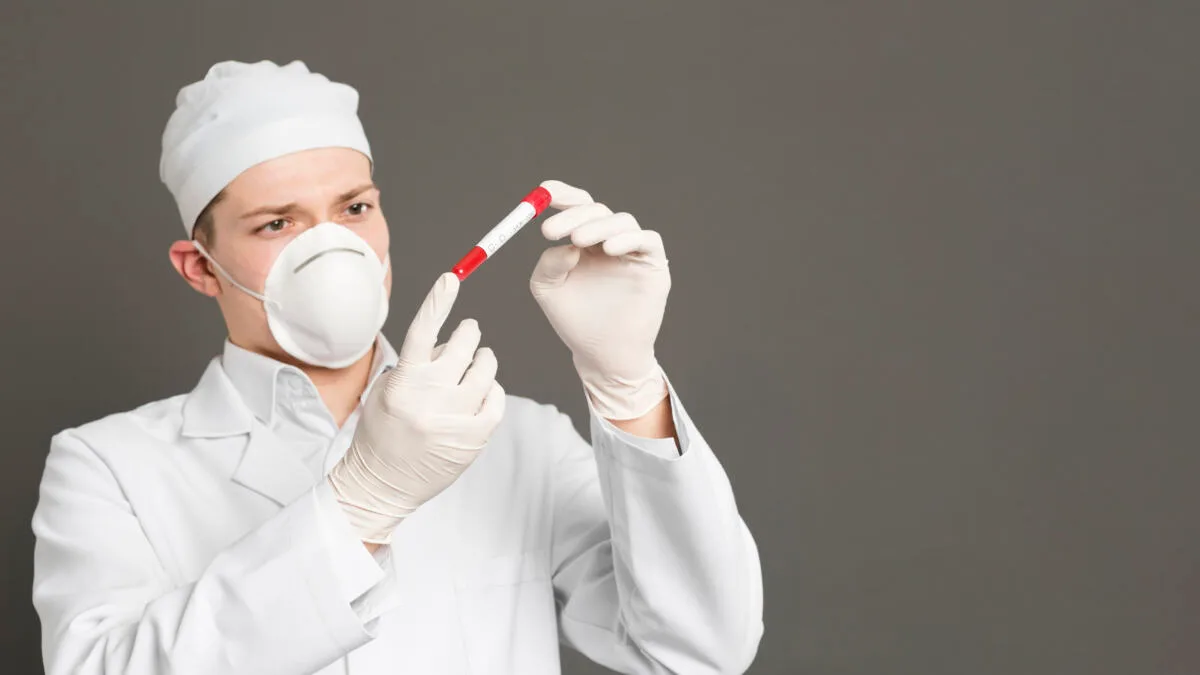
What are rapid tests?
Rapid tests are express diagnostic methods that allow you to get a result in 10–30 minutes without complex laboratory equipment. Such tests are used to detect infections, antigens, antibodies, inflammatory markers, etc. They are based on immunochromatography or enzyme immunoassay and are read visually or using a special device.
When used
During the initial examination in an outpatient clinic or "on site" (POCT - point-of-care testing)
For rapid diagnosis of COVID-19, influenza, HIV, pregnancy, streptococcus
In emergencies (for example, if a heart attack is suspected - rapid troponin)
In rural areas, in the field, for mass screening
Advantages of rapid tests
Result without laboratory
Ease of use
Minimum sample volume (drop of blood, saliva, swab)
Speed - 10–20 minutes
Does not require complex equipment

How to prepare
For swab tests (PCR, antigen tests):
Do not eat, drink, or smoke for 1–2 hours.
Do not use sprays in the nose/throat
For blood tests (for antibodies, sugar):
If necessary, take the test on an empty stomach (depends on the type of test)
Do not drink alcohol for 24 hours
Tell your doctor about the medications you are taking.
For pregnancy or urine tests (e.g., for drugs, infections):
Use morning urine
Avoid excessive fluid intake before the test
Table: Types of rapid tests and what they show
| Test type | What does it reveal? | Sample | Result time |
|---|---|---|---|
| Rapid test for COVID-19 | Virus antigens | Nasal swab | 15–20 min |
| Quick test for HIV | Antibodies | Blood from a finger | 20 min |
| Pregnancy test | HCG (chorionic gonadotropin) | Urine | 5 min |
| Troponin test | Cardiac marker (heart attack) | Blood | 15 min |
| C-reactive protein (CRP) | Inflammation | Capillary blood | 5–10 min |
| Group A streptococcus | Throat infection | Throat swab | 5–10 min |
How accurate are rapid tests?
According to FDA and WHO, the accuracy of rapid diagnostics depends on the type of test:
Antigen tests have high specificity but lower sensitivity (70–90%)
Antibody tests work best after 7–14 days from the onset of the illness
Pregnancy tests have an accuracy of more than 99% when used correctly
Therefore, in case of doubtful or negative results with the presence of symptoms, it is recommended to undergo laboratory confirmation.
Rapid test technology is the key to affordable and timely diagnostics. The main thing is to know when and how to use them, and not to forget: the result does not replace a doctor's consultation.

Director of Medi Lab Plus LLC, a doctor of the highest category. Has over 45 years of practical experience in medicine and laboratory diagnostics. Founder and head of the laboratory since 2007. More details…