
COVID-19 test: which one to choose and what is important to know
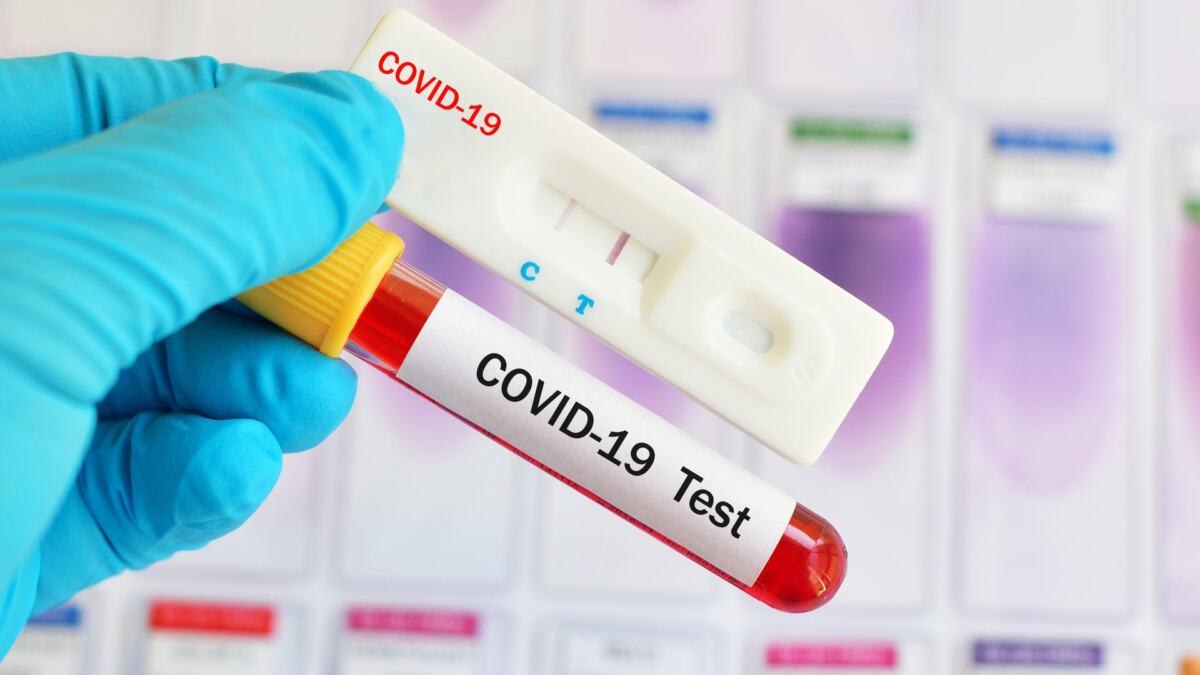
When the first "bells" appear - a runny nose, sore throat, sudden weakness, aching joints, or a fever - the first thought is usually: «"Is this a common cold or is it Covid again?"».
Testing remains the only reliable way to quickly dot the i’s. However, over the years of the pandemic, the rules of the game have changed, and the tests themselves have evolved. To get a true answer, and not a random result, you need to understand how each method works and when to use it.
What are the tests for COVID-19?
Broadly speaking, there are two main areas. The first is tests that show current infection. These include rapid tests and laboratory molecular tests, including PCR. The second is antibody tests, which can show that the body has been exposed to the virus before, but they are not suitable for confirming a current acute infection.
For most people who want to understand whether they are sick now, the most relevant are: viral tests. Simply put, a rapid test looks for parts of the virus and gives an answer in a few minutes, and laboratory molecular test looks for the genetic material of the virus and is usually more sensitive.
Rapid COVID-19 test: when it is convenient
Rapid tests are most often antigenic. Their main advantage is speed: results can be obtained in about 15–30 minutes, and many options are available for home use. This is why they are convenient when you need to quickly get checked at the first symptoms or before contact with other people.
But there is an important limit: rapid tests are less sensitive than molecular tests. This is especially noticeable in people without symptoms or at the very beginning of the disease. That is, a rapid test is useful, but a negative result does not always put an end to it.
When is it better to choose a laboratory test?
Laboratory molecular test, in particular PCR, usually more sensitive. It is more often used when a more accurate answer is needed, when symptoms are present and a rapid test is negative, or when it is important for the doctor to confirm the infection more accurately. Such tests do not always give a result in a few minutes, but they are better at detecting the virus, especially when there is still little of it.
Simply put, if you need a quick at-home test, an antigen test is more convenient. If the situation is unclear, symptoms persist, or higher accuracy is needed, then it makes more sense to discuss laboratory testing.
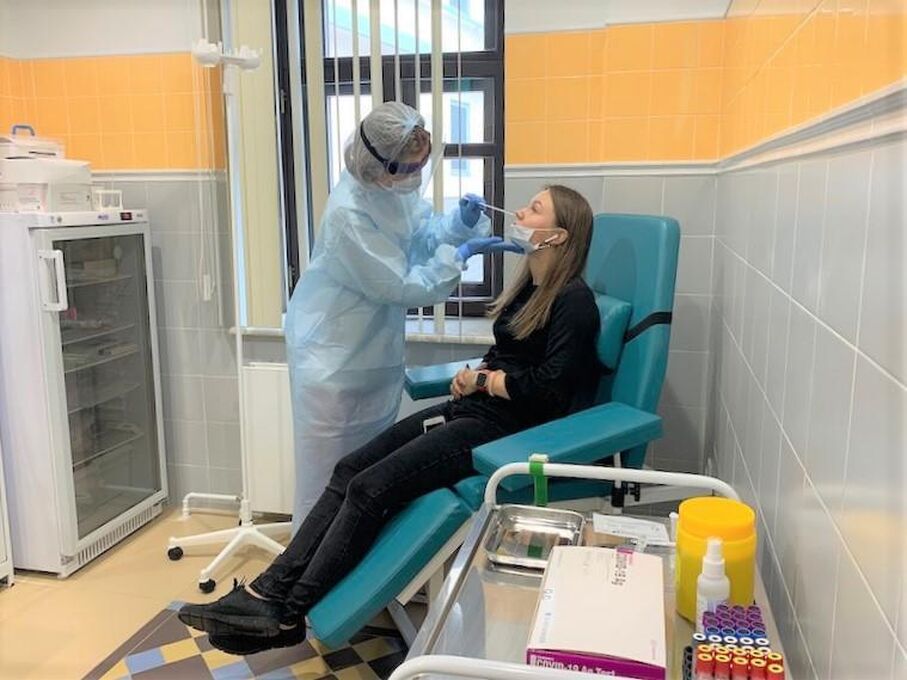
Why one negative test doesn't always mean "all is clear"“
This is one of the most common mistakes. If a person takes a rapid test too early, the virus may not be present in the amount that the test can detect. This is why it makes sense to get tested again, especially if symptoms persist or worsen. According to the guidelines for home tests, people with symptoms are often advised to take an antigen test twice within three days, and without symptoms — three times in five days.
This means a very simple thing: if the first rapid test is negative, but your well-being hints at a viral infection, sometimes it is best not to calm down right away, but to repeat the test after the recommended period of time.
When to take a COVID-19 test to make it more informative
It's best to be symptom-based. If you have typical signs of a viral infection, a rapid test makes the most practical sense when symptoms have already started, not many days before. Some home tests explicitly state in the instructions that they are for people with symptoms that started within the past few days.
If you test too early, you can get a false sense of security. That's why it's important not just the test itself for COVID-19, but also the right time to use it.
Home test: what is often done wrong
The most common mistakes are very simple: improper sample collection, hasty reading of the result, using an expired test, or testing when symptoms are just “creeping in.” It is also important to remember that the expiration date for home tests can sometimes be elongate, so you shouldn't always rely solely on the date printed on the box - you should check the current status with official information from the manufacturer or regulator.
Another common mistake is to perceive a home test as something completely inaccurate or, conversely, as the absolute truth. In fact, it is a useful tool, but its result should be read in conjunction with symptoms and the time of testing.
The phenomenon of false negative results: why one strip is not a guarantee
The biggest pitfall of home testing is to calm down after the first negative result. «"The test is negative, so I just have a cold" is a dangerous myth.
The concentration of the virus in the body varies according to a sinusoid:
The first 24–48 hours after infection: The virus is actively multiplying, but its quantity is not enough for an express test. The test will show negative result (although the person may already be contagious).
Day 3–5: Peak viral load. A rapid test with a probability of 90%+ will show positive result.
After 7 days: Immunity is starting to win, the amount of virus is falling. The rapid test may become useful again negative, although the symptoms (cough, weakness) still remain.
Serial testing scheme (FDA golden rule)
To rule out a low virus load error, use serial approach:
If there are symptoms: Do the first test right away. If it is negative, repeat exactly after 48 hours.
If there are no symptoms, but there was contact with a sick person: The first test is done 2-3 days after contact, the second one after 48 hours, the third one after another 48 hours (a total of 3 tests in 5 days).
Does an antibody test make sense?
An antibody test is not suitable if you need to understand whether a person is sick right now. It shows whether there was contact with the virus before and whether an immune response has developed. That is, for an acute infection, it does not replace either a rapid test or PCR.
That's why when someone asks "what COVID-19 test should I take if I have a fever or sore throat," the answer is almost never about antibodies. In such a situation, a test for current infection.
How to choose a test in real life
If you need quick home check, it is more convenient to start with a rapid antigen test. If it is positive, the answer is already sufficiently indicative of the current infection. If it is negative, but the symptoms are present and do not go away, it is worth either repeating the rapid test according to the scheme, or discussing a laboratory test.
If needed higher accuracy, If symptoms persist and home tests give conflicting results, or if it is important for a medical decision, a laboratory molecular test makes more sense.
What to remember
A COVID-19 test is not just a “yes” or “no” but a result that needs to be evaluated taking into account time, symptoms and the type of test. Rapid tests are convenient and affordable, but they can miss infection, especially if they are done too early. Laboratory tests are more accurate, but not as fast. Therefore, the best approach is not to look for a “perfect test for all cases”, but to understand which test is needed in your situation and when it will be most informative.

Director of Medi Lab Plus LLC, a doctor of the highest category. Has over 45 years of practical experience in medicine and laboratory diagnostics. Founder and head of the laboratory since 2007. More details…

