
Syphilis test: what is important to know before testing
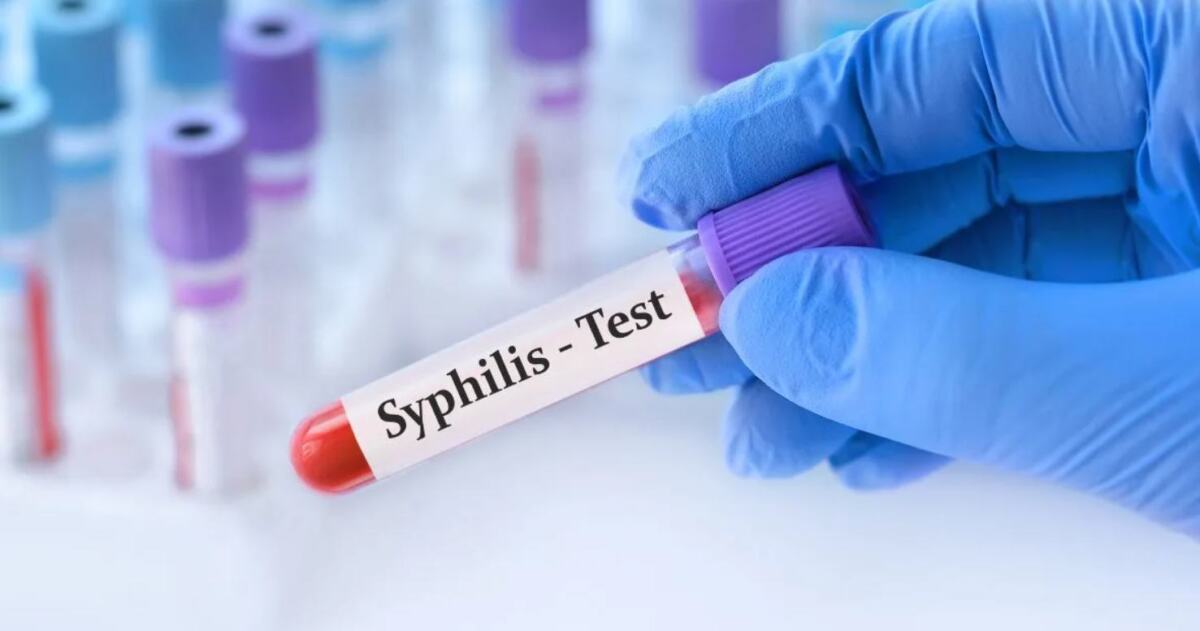
Syphilis often starts quietly. The first symptoms may be subtle or go away on their own, but that doesn't mean the infection is gone. The NHS says that syphilis can cause small, painless sores, followed by a rash, swollen lymph nodes, fatigue and other symptoms that can be easily missed or mistaken for something else. That's why syphilis test often becomes the only way to accurately understand whether there is an infection.
What is the most common syphilis test?
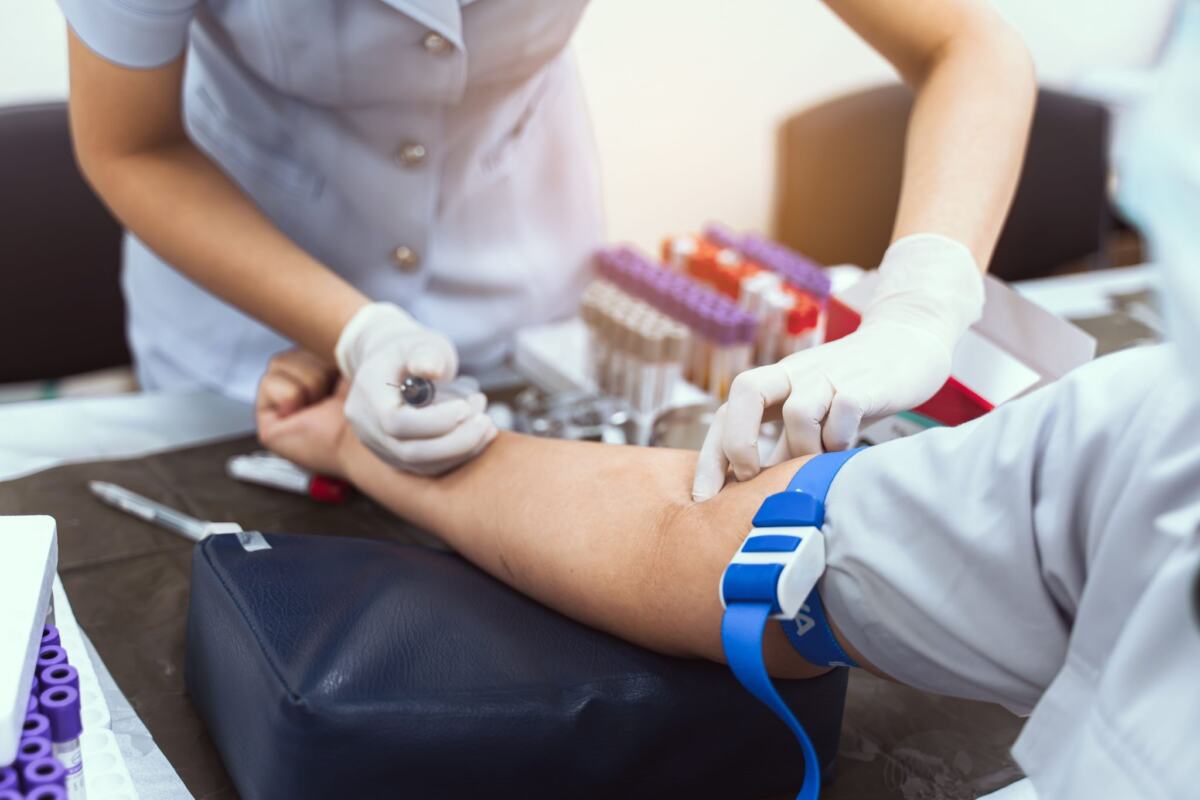
Syphilis is most often diagnosed with a blood test. MedlinePlus explains that syphilis tests typically look for antibodies, proteins that the immune system produces in response to the bacteria that causes syphilis. Diagnosis is usually done in two stages: first a screening test, then a confirmatory test.
The CDC, in its 2024 laboratory guidelines, notes that serological tests for syphilis are divided into two broad groups: non-treponemal and treponemal. Non-treponemal tests, such as RPR or VDRL, are used for initial detection and often for follow-up after treatment, while treponemal tests help confirm that the antibodies are specifically related to syphilis. These types of tests are usually used together to make a correct diagnosis.
Is it always just a blood test?
Not always. If a person has a characteristic ulcer, a doctor or nurse may take a swab or sample of fluid from the lesion. The NHS specifically states that if symptoms occur, a specialist may examine the skin and mucous membranes, take a sample from the ulcer, and do a blood test at the same time. The CDC also notes that direct methods for detecting the bacteria exist, but are less commonly used and not available in all laboratories.
When the syphilis test is already informative
One of the main causes of confusion is testing too early. MedlinePlus notes that the first stage of syphilis usually begins around 2–12 weeks after infection, and the NHS writes that the first symptoms may appear after about 3 weeks or later. This means that immediately after a risky contact, the test will not always have time to show the infection.
In practice, this means a simple thing: if the test is done too early and it is negative, the doctor may advise repeating it later. That is why the time after contact is always as important as the fact of testing itself.
Table: how testing is usually approached
| Situation | What approach is most often used? | What is important to remember |
|---|---|---|
| There is an ulcer, rash, or other symptoms | Blood test, and if an ulcer is present, also a sample from the lesion | Don't wait until it "just passes"“ |
| Contact was recent, no symptoms | Blood test at the recommended time, sometimes with repetition | A negative test too early is not always conclusive |
| Screening during pregnancy | Routine serological blood test | Detection of syphilis during pregnancy is critical |
| Already have a positive screening test | Confirmatory treponemal test | One test alone is not always enough |
This approach is consistent with how MedlinePlus, the NHS, and the CDC describe syphilis diagnosis: blood is used most often, but confirmation is based on a combination of different types of tests and the clinical picture.
What does a negative result mean?
A negative result usually means that there were no signs of syphilis at the time of testing. However, if the exposure was recent and the test was done too early, it may not yet show the infection. In such a situation, the doctor may recommend a repeat test after a certain time. That is why a negative result should always be evaluated together with the date of the risky exposure and symptoms.
What does a positive result mean?
A positive result should not be interpreted solely by the name of the test. Some tests indicate past or present exposure to the infection, while others help assess the activity of the process and response to treatment. The CDC emphasizes that both types of serological tests are used together to distinguish untreated infection from previously treated infection.
Is there any special preparation for the analysis?
For a routine syphilis blood test, no special preparation is usually needed. MedlinePlus notes that for RPR and VDRL, no special preparation is usually required. But if the analysis is part of a broader package research, the laboratory may have its own separate rules, so it is always useful to clarify this before the visit.
When to apply for a test without delay
It is worth getting tested if you have an ulcer on your genitals, in your mouth or anus, if you have a rash on your palms or soles, if your partner has reported syphilis, if you have had unprotected sex with a new partner, or if you are pregnant or planning to become pregnant. The NHS specifically advises you to get tested in these situations, even if you have few symptoms.
Syphilis test — this is not the case when you should focus only on your well-being. The infection may be asymptomatic, but without treatment it can cause serious complications. The best tactic is not to wait for obvious manifestations, but to get tested on time and, if necessary, repeat it at the right time.

Director of Medi Lab Plus LLC, a doctor of the highest category. Has over 45 years of practical experience in medicine and laboratory diagnostics. Founder and head of the laboratory since 2007. More details…