
Dry mouth can be a sign of various diseases.

Dry mouth rarely appears suddenly as a warning sign. It often starts with small things: a person notices that they are reaching for a glass of water more often, wakes up in the middle of the night because of a dry tongue, or has difficulty swallowing dry food. Over time, these sensations can be accompanied by heartburn, a metallic or bitter taste, cracked lips, bad breath, and a persistent feeling of decreased saliva.
This condition is medically known as xerostomia. It is caused by decreased salivary gland activity, and the problem here is not just discomfort. Saliva performs several vital functions: it facilitates speech, chewing, and swallowing, protects tooth enamel from decay, and prevents the growth of pathogenic bacteria. As noted by NIDCR experts, the causes of xerostomia can be drug therapy, diabetes, Sjögren's syndrome, HIV infection, radiation to the head and neck, and a number of other factors.
The patient usually asks one key question: is this just dehydration, which can be easily corrected with a glass of water, or is it a reason to see a doctor? The correct answer depends on the frequency of symptoms, the presence of additional complaints, and whether the condition is relieved by regular drinking.
When dryness only appears occasionally
If your dry mouth is caused by coffee, alcohol, excitement, exercise, heat, or a night in a dry room, it may be temporary. In such cases, the mucous membrane dries out due to dehydration, mouth breathing, or irritation.
It is usually less worrisome if the dryness:
- occurs rarely;
- has a clear reason;
- passes after water;
- does not wake up at night;
- not accompanied by severe thirst;
- is not combined with frequent urination;
- does not cause burning of the tongue, cracks or problems with swallowing.
But if a person constantly carries a bottle of water with them, wakes up at night due to dryness, or feels that there is less saliva every day, this is a reason to look deeper for the cause.
When dry mouth is combined with thirst
Dry mouth, along with excessive thirst and frequent urination, may be related to impaired glucose levels. When glucose levels are high, the body can lose more fluid, so a person drinks more and goes to the bathroom more often. The CDC lists frequent urination, increased thirst and hunger, fatigue, blurred vision, unintentional weight loss, and frequent infections as symptoms of diabetes.
In such a situation, it is important not to limit yourself to the phrase "I just don't drink enough." If dryness recurs along with constant thirst, the doctor may prescribe blood glucose test and glycated hemoglobin. These studies help assess whether there are any disorders of carbohydrate metabolism.
It is especially worth paying attention if, along with dryness, there is:
- frequent urination;
- night trips to the toilet;
- severe thirst;
- fatigue;
- blurred vision;
- slow healing of wounds;
- frequent fungal or urinary infections;
- sudden weight change.
When dry mouth appeared after medication
Very often, dry mouth is not caused by a specific medical condition, but rather a side effect of a medication. This can happen after starting a new medication or after a dose increase. The NIDCR notes that hundreds of medications can reduce saliva production, including medications for high blood pressure, depression, and bladder control problems.
Dryness can be aggravated by some:
- blood pressure medications;
- antidepressants;
- anxiety medication;
- antihistamines;
- diuretics;
- analgesics;
- insomnia medicine;
- cold remedies;
- medications for the treatment of urinary incontinence.
You don't need to stop taking your medication on your own. It's best to write down the names of all medications, the dosage, and the time the dryness started. This will help your doctor understand whether the symptom may be related to the treatment.
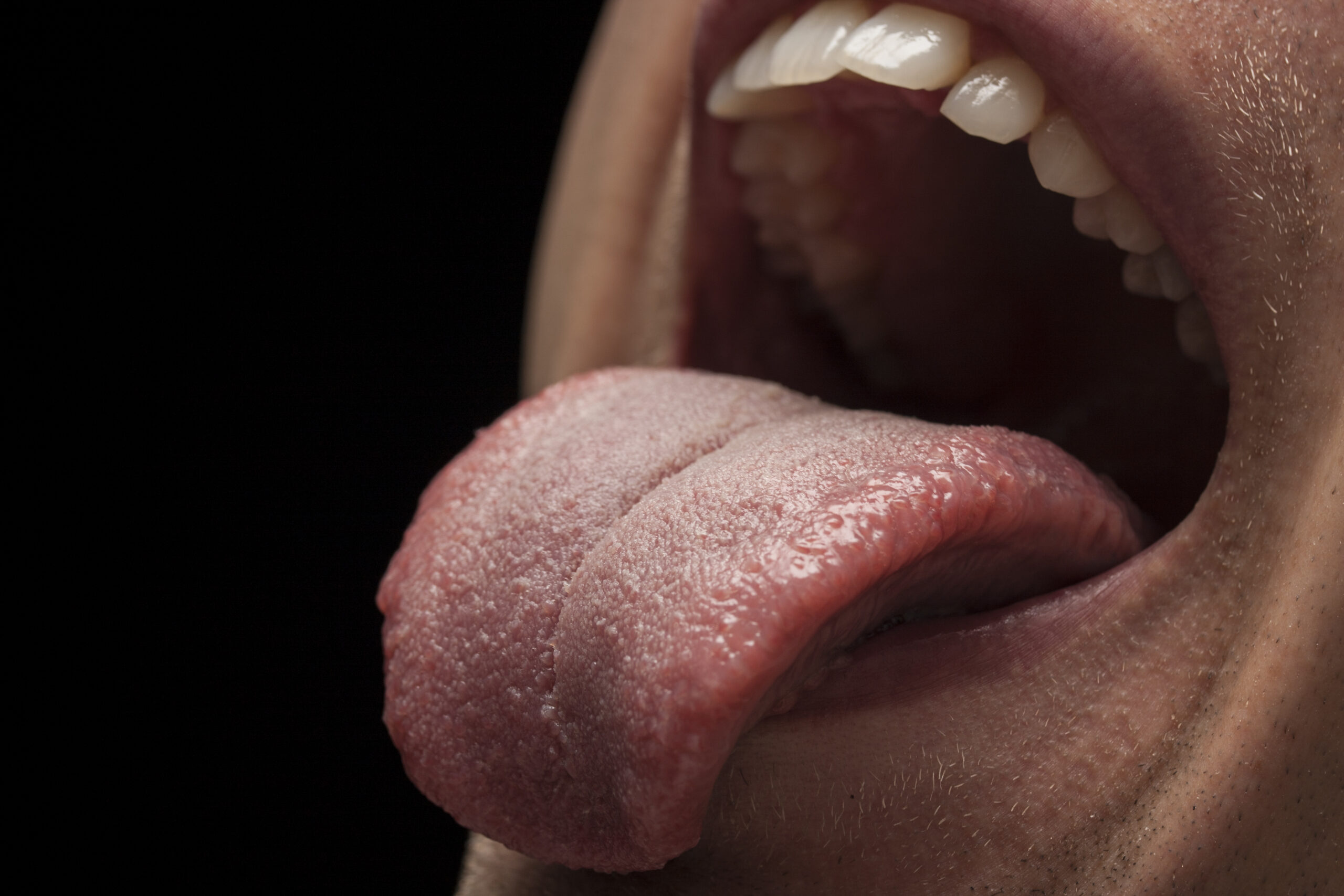
When dry mouth is combined with dry eyes
If a person experiences not only dry mouth but also dry eyes, burning, gritty feeling, sensitivity to light, joint pain, or chronic fatigue, a doctor may suspect Sjögren's syndrome. This is an autoimmune disease in which the immune system attacks the glands that produce moisture.
The NHS notes that common symptoms of Sjögren's syndrome include dry eyes, dry mouth, muscle and joint pain, and extreme fatigue. Severe dry mouth can lead to swallowing problems, tooth decay, and gum disease.
In such a situation, not only basic tests may be needed, but also autoimmune markers. The doctor may evaluate antibodies, inflammatory markers, a complete blood count, and other tests depending on the symptoms.
When there is a burning tongue, cracks, or weakness
Dry mouth is sometimes accompanied by a burning tongue, soreness of the mucous membrane, cracks in the corners of the mouth, pallor, fatigue, or dizziness. In this case, the doctor may consider anemia, iron deficiency, vitamin B12, folic acid, or other disorders.
The symptom of dryness alone does not confirm a deficiency. But if there is weakness, a change in taste, burning, frequent cracks or malaise, it may be appropriate complete blood count. It helps to evaluate hemoglobin, red blood cells, white blood cells, and other indicators that can indicate the direction of further testing.
What are the most common causes of dry mouth?
| Possible cause | How can this manifest itself? | What tests or examinations may be needed? |
|---|---|---|
| Dehydration | Thirst, dark urine, weakness, dryness after heat or diarrhea | Biochemical indicators, electrolytes as prescribed by a doctor |
| Elevated glucose | Intense thirst, frequent urination, fatigue, blurred vision | Blood glucose, glycated hemoglobin |
| Side effects of medications | Dryness after starting the drug or increasing the dose | Review of medications with a doctor, additional tests based on symptoms |
| Sjögren's syndrome | Dry eyes and mouth, joint pain, fatigue | Autoimmune markers, inflammation indicators, salivary tests |
| Anemia or deficiencies | Burning tongue, weakness, pallor, cracks in the corners of the mouth | Complete blood count, ferritin, B12, folic acid |
| Mouth breathing | Dryness mainly in the morning, snoring, nasal congestion | ENT doctor's examination, assessment of nasal breathing |
| Radiation therapy | Dryness after treatment for head or neck tumors | Salivary gland assessment, dental support |
The table is not intended for self-diagnosis. It helps to understand why a doctor may prescribe different tests for different people with seemingly the same complaint.
When are tests really necessary?
It is worth discussing tests with your doctor if dry mouth has become persistent or occurs along with other symptoms. It is especially important not to delay testing if the dryness is not explained by heat, coffee, lack of water, or short-term excitement.
Examination may be appropriate if there is:
- dry mouth every day;
- severe thirst;
- frequent urination;
- nighttime awakening due to dryness;
- dry eyes;
- burning tongue;
- cracks on the lips;
- frequent caries;
- bad breath;
- weakness;
- weight loss;
- joint pain;
- frequent infections;
- dryness after starting a new medication;
- dryness after radiation therapy.
The Mayo Clinic notes that to determine the cause of dry mouth, a doctor may examine your mouth, review your medical history and medications, and order blood tests, salivary gland scans, or tests to measure saliva volume.
What can you do before a visit to the doctor?
While you're waiting for your appointment, there are simple things you can do to reduce discomfort. The NHS advises taking small sips of water, keeping water by your bedside, chewing sugar-free gum, using lip balm, brushing your teeth twice a day and choosing an alcohol-free mouthwash, as dry mouth increases the risk of cavities.
You can try:
- drink water in small sips throughout the day;
- reduce alcohol;
- limit coffee if it aggravates dryness;
- do not use mouthwashes with alcohol;
- chew sugar-free gum;
- humidify the air in the room;
- treat nasal congestion;
- take good care of your teeth;
- write down all the medications you take;
- track when dryness increases.
These steps may relieve the symptom, but they do not replace a diagnosis if the dryness is persistent or combined with other complaints.
FAQ
Can dry mouth be the first sign of diabetes?
Yes, it can. Especially if you also have extreme thirst, frequent urination, fatigue, blurred vision, or weight changes. In this case, you should discuss with your doctor whether you should have your blood glucose and glycated hemoglobin tested.
Why does dry mouth occur more often at night?
Nighttime dryness can be caused by mouth breathing, snoring, nasal congestion, dry air, or medications. If it is persistent and accompanied by thirst or frequent urination, medical evaluation is warranted.
Can pills cause dryness?
Yes. Many medications can reduce salivation. This includes some medications for blood pressure, allergies, depression, anxiety, insomnia, and other conditions. You should not stop taking your medication on your own.
What tests are most often prescribed for dry mouth?
Often they start with blood glucose, glycated hemoglobin, complete blood count, ferritin, vitamin B12, TSH, biochemical indicators. If there is dry eyes and joint pain, the doctor may add autoimmune markers.
Do you need to go to the dentist if you have dry mouth?
Yes, if the dryness lasts for a long time. Lack of saliva increases the risk of cavities, bad breath, mucosal irritation, and gum problems.
Dry mouth is not always a cause for concern - sometimes it is just a temporary reaction to dehydration or a too dry microclimate. However, in some cases, this signal may indicate that the body needs a more thorough examination. When an unpleasant sensation becomes a daily companion, interferes with night sleep, makes it difficult to eat or communicate, and is also accompanied by increased thirst, general weakness, dry eyes or frequent urination - laboratory diagnostics turns assumptions into accurate knowledge and allows you to get to the root cause.

Director of Medi Lab Plus LLC, a doctor of the highest category. Has over 45 years of practical experience in medicine and laboratory diagnostics. Founder and head of the laboratory since 2007. More details…

