
Bruises without a reason can be a sign of serious illnesses
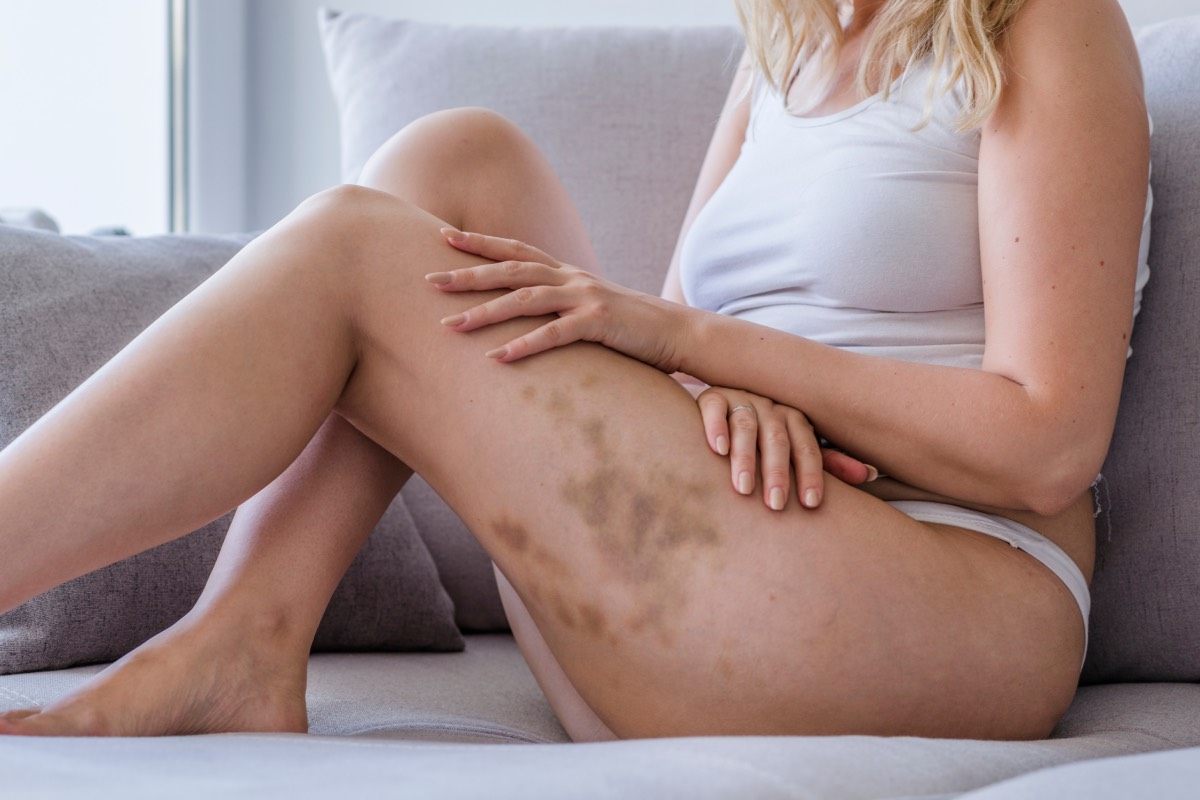
A bruise after a blow usually does not cause any problems. A person remembers where they were hit, sees a change in skin color, and after a few days the spot gradually lightens. But when bruises appear frequently, on different parts of the body, without an obvious blow or with bleeding, it is no longer just a cosmetic problem.
Bruises occur when small blood vessels under the skin are damaged and blood leaks into the tissues. The Mayo Clinic explains that easy bruising can sometimes be linked to bleeding disorders or blood disorders, especially if the bruising is large, frequent, or occurs for no apparent reason.
The cause may be relatively simple, such as thin skin, age, medication, or nutrient deficiencies. But sometimes frequent bruising can indicate low platelet levels, a clotting disorder, liver problems, or blood disorders. That's why repeated bruising without a blow should not be panicked, but should be checked out.
The first step is to assess how exactly bruises appear.
It is important for the doctor not only to see the bruise, but also to understand its history. One large bruise after a fall and many small bruises without trauma have different diagnostic significance.
Before the consultation, it is worth remembering:
- when bruises appeared;
- were there any blows or physical exertion;
- Are the bruises getting bigger?;
- is there pain;
- whether there is bleeding from the nose or gums;
- Have your periods become heavier?;
- were there any new medications;
- whether there is weakness, fever, weight loss, or night sweats;
- Were there similar problems in the family?.
The Merck Manual notes that people without dangerous symptoms who notice easy bruising or bleeding should see a doctor, and the presence of bleeding from mucous membranes may indicate a problem with platelets or blood vessels.
The second step is to pay attention to the red flags
Not all bruises require urgent treatment, but there are a combination of symptoms that shouldn't be ignored.
You should see a doctor as soon as possible if you have:
- bruises without blows that are repeated;
- large bruises after a light touch;
- bruises on the torso, back, chest, or face;
- small red or purple dots on the skin;
- nosebleeds;
- bleeding gums;
- blood in the urine or stool;
- black stools;
- heavy or long menstruation;
- severe weakness;
- pallor;
- frequent infections;
- elevated temperature for no apparent reason;
- enlarged lymph nodes;
- weight loss.
The Mayo Clinic advises seeing a doctor if bruising occurs frequently, for no apparent reason, is very large, or if the person or their family has had bleeding problems.
The third step is to check the platelets.
Platelets help your body stop bleeding. If there are too few of them or they don't work properly, you may bruise more easily. You may also experience nosebleeds, bleeding gums, slow healing of cuts, or small red spots on your skin.
MedlinePlus explains that a platelet test measures the number of platelets in your blood, and your doctor evaluates the result along with your symptoms, medical history, and other tests.
Therefore, with frequent bruising, one of the basic studies is complete blood count. It helps to evaluate not only platelets, but also hemoglobin, red blood cells, white blood cells, and other indicators that can indicate the direction of further examination.
The fourth step is to assess blood clotting.
If your platelets are normal but you still bruise frequently, your doctor may check your clotting system. This is a group of tests that help determine whether your blood is forming a clot properly after a blood vessel is damaged.
MedlinePlus notes that prothrombin time measures how long it takes for blood plasma to form a clot, and this test can be used to find the cause of unusual bleeding or bruising.
In such situations it may be appropriate coagulogram. It is often prescribed if bruising is combined with bleeding, there is preparation for surgery, a person is taking blood-thinning medications, or there were hereditary clotting disorders in the family.
Step Five: Review Medications and Supplements
Bruises can occur more often than just because of illness. Sometimes the cause is related to medications that affect blood clotting, platelets, or the condition of blood vessels.
It is worth informing your doctor if you are taking:
- anticoagulants;
- antiplatelet agents;
- aspirin;
- some anti-inflammatory drugs;
- corticosteroids;
- certain antidepressants;
- drugs after heart attack or stroke;
- herbal supplements or dietary supplements that may affect bleeding.
It is dangerous to discontinue such medications on your own. If the drug is intended to prevent thrombosis, stroke, or cardiovascular complications, abruptly stopping the medication can be harmful. The right step is to inform the doctor about the bruises, show a photo, name all medications, and take the tests as prescribed.
How different types of bruises can guide the direction of examination
| What does the situation look like? | What can a doctor check? |
|---|---|
| One bruise after a blow | Observation, local care, injury assessment as needed |
| Frequent bruising without impact | Complete blood count, platelets, coagulogram |
| Bruises along with nosebleeds | Platelets, coagulation parameters, doctor's examination |
| Bruising and bleeding gums | Complete blood count, platelets, coagulogram, dental examination |
| Bruises and heavy menstruation | Complete blood count, ferritin, coagulogram, gynecologist consultation |
| Bruising and jaundice or dark urine | Liver tests, coagulogram, blood biochemistry |
| Bruising and weakness or frequent infections | Complete blood count, differential, additional hematological evaluation |
| Bruises after a new drug | Review of medications, tests as ordered by a doctor |
This chart does not diagnose. It helps to understand why a doctor may order different tests for people with the same complaint of bruising.
When to think about the liver
The liver is involved in producing some of the proteins needed for blood clotting. If its function is impaired, a person may bruise or bleed more easily.
A possible connection to the liver may be indicated by:
- yellowish tinge to the skin or eyes;
- dark urine;
- light stools;
- itching of the skin;
- swelling;
- heaviness in the right hypochondrium;
- nausea;
- decreased appetite;
- weakness;
- easy bruising.
MedlinePlus lists easy bruising, changes in urine and stool color, swelling of the abdomen or legs, and jaundice as symptoms of liver disease.
If bruising is combined with these symptoms, the doctor may order a biochemical blood test, liver tests, coagulogram and other examinations.
When bruises may be related to deficiencies
Sometimes, easy bruising is accompanied by general weakness, paleness, dizziness, brittle nails, hair loss, or heavy menstrual periods. In such a situation, your doctor may check for anemia, iron stores, vitamin B12, folic acid and other indicators.
Deficiencies are not always the direct cause of bruising, but they can indicate that there is chronic blood loss, nutritional deficiencies, absorption problems, or an underlying condition that needs attention.
It is especially worth checking if, along with bruises, there are:
- constant fatigue;
- shortness of breath during exertion;
- pallor;
- dizziness;
- palpitation;
- heavy menstruation;
- weakness after minor exertion;
- frequent feeling of cold.
When is a hematologist consultation needed?
Not every person with bruising needs a hematologist. Often the first step is a consultation with a family doctor or therapist and basic tests. But if there are abnormalities in the general blood test, low platelets, changes in white blood cells, clotting disorders, or a combination of bruising with bleeding, a specialized consultation may be necessary.
You may be referred to a hematologist if:
- platelets are lower than normal;
- bruises appear frequently and for no reason;
- there are petechiae;
- there is bleeding from the mucous membranes;
- there are significant changes in blood tests;
- there was a family history of clotting disorders;
- there is weakness, fever, or weight loss;
- The bruises appeared suddenly and there were a lot of them.
MedlinePlus notes that for thrombocytopenia, a doctor will perform a physical examination, evaluate your medical history and symptoms, and possible tests may include clotting tests, including PT and PTT.

What cannot be ignored
Bruises without a reason are often explained away as a coincidence. But there are signs that are better not to wait for weeks.
Do not delay seeking medical attention if the bruises:
- appeared suddenly and there are many of them;
- occur on the trunk, back, or face;
- accompanied by bleeding;
- very large or painful;
- do not disappear for a long time;
- are combined with fever;
- combined with weakness;
- occur with black stools or blood in the urine;
- appeared after starting a new drug;
- accompanied by small red dots on the skin.
The Mayo Clinic advises seeking medical attention if bruising occurs for no apparent reason, recurs frequently, or if there is a personal or family history of bleeding.
How to prepare for tests
A complete blood count usually does not require any special preparation, but the rules may vary depending on the laboratory and the tests ordered. If biochemistry, liver tests, or other parameters are being taken along with the complete blood count, your doctor may recommend that you come on an empty stomach.
Before taking the tests, it is advisable to:
- do not hide taking medication;
- tell about anticoagulants, aspirin or anti-inflammatory drugs;
- report on supplements and herbal remedies;
- do not cancel medications without a doctor;
- take pictures of bruises for dynamics;
- record when they appeared;
- mention family history of bleeding;
- report any surgeries, childbirth, or tooth extractions with excessive bleeding in the past.
Unexplained bruising doesn't always mean a serious condition, but it can be a sign that your body needs to have your blood, platelets, clotting, or liver function checked. If bruising recurs, appears suddenly, gets bigger, or is associated with other bleeding, tests can help you find the cause and take the right next step.

Director of Medi Lab Plus LLC, a doctor of the highest category. Has over 45 years of practical experience in medicine and laboratory diagnostics. Founder and head of the laboratory since 2007. More details…

