
First tests for a newborn: what is important to check
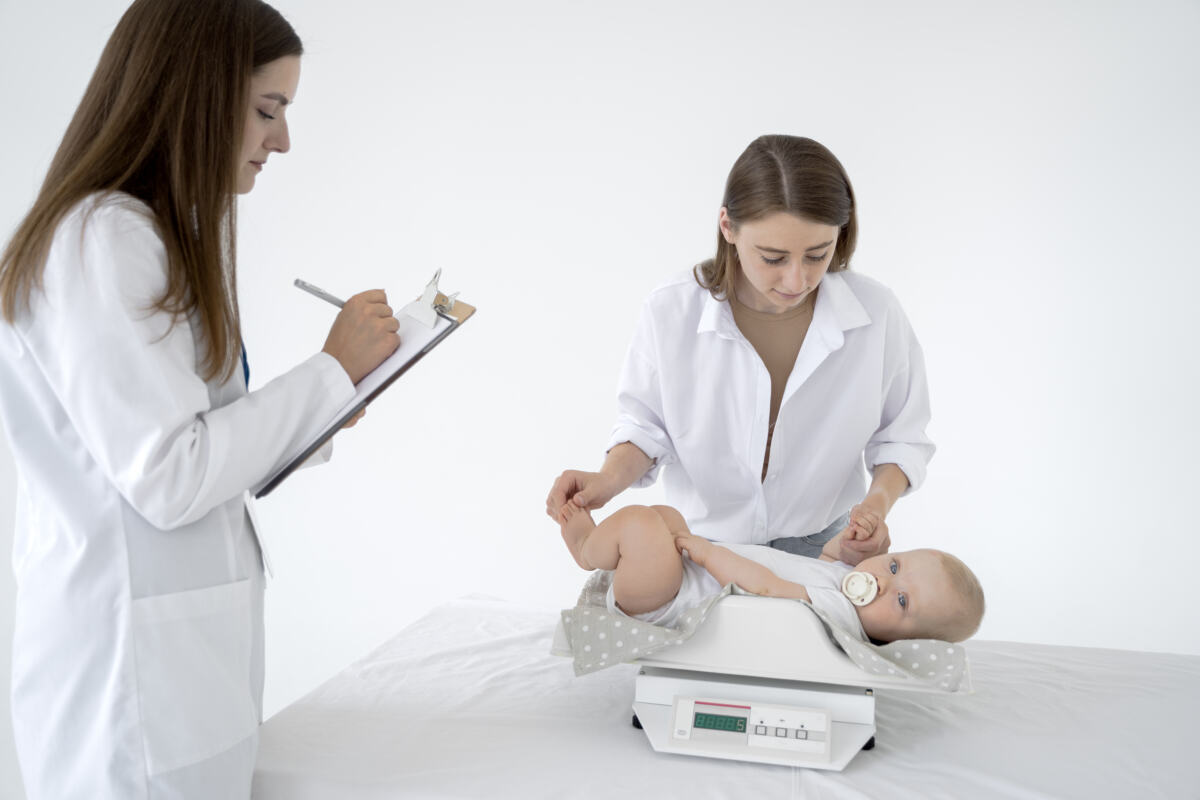
In the first days after birth, a baby may look completely healthy, and this naturally reassures parents. But it is during this period that doctors try not to miss conditions that are not yet visible from the outside. Some congenital disorders in a newborn do not initially give obvious symptoms, but early detection can greatly change the child's further development. That is why the first tests A newborn is not a formality, but an important part of starting life.
The exact list of screenings may vary depending on the country, the hospital, and the child's condition. But the general logic is the same everywhere: in the first hours and days of life, heel prick blood, hearing, blood oxygen level, bilirubin, and a clinical examination of the newborn are usually checked. All this is necessary in order to notice the problem in time and not lose time when care is most effective.
Why are the first tests for a newborn so important?
Parents often want to hear a simple answer: if a child is eating well, sleeping well, and has no visible problems, why do so many tests? The answer is that not everything is immediately noticeable. For example, some inherited metabolic disorders, hearing problems, or critical congenital heart defects may not have obvious symptoms at first. But if they are detected early, treatment or monitoring can begin much earlier.
That is, the first tests of a newborn are needed not because there is “something wrong” with the child, but because modern medicine tries not to wait for trouble, but to prevent it. For most families, these tests simply confirm that everything is fine. But for some children, they become decisive.
What are the first tests usually performed on a newborn?
Below is a short table that will help parents quickly navigate what exactly they can check in the first days of life.
| Examination | What checks | Why is this important? |
|---|---|---|
| Heel test | Rare congenital and hereditary disorders | Gives a chance to start treatment before symptoms appear |
| Hearing test | The reaction of the auditory system | Helps detect hearing impairment early |
| Pulse oximetry | Blood oxygen level | Allows for the suspicion of critical congenital heart defects |
| Measurement bilirubin | Risk of dangerous jaundice | Helps you not to miss a condition that needs monitoring or treatment |
| Newborn examination | Eyes, heart, hip joints, general condition | Helps to notice congenital features that are not always visible to parents |
These screenings are part of standard approaches to early newborn screening in modern practice.
Heel test: the main analysis of the first days
When parents ask what the most important first tests for a newborn are, they almost always mean the heel prick test. This involves taking a few drops of blood from the baby's heel and placing it on a special card. The lab then tests the sample for a range of rare but serious conditions. The NHS says the test helps identify 10 rare diseases in the UK's programme, and MedlinePlus notes that the panel varies by country or region.
The main value of the heel prick test is that it looks for problems before they become apparent. If a condition is confirmed, the child will be quickly referred for further testing and, if necessary, treatment. This is what helps prevent serious complications, developmental delays, or serious health problems.
Parents often worry about whether it will hurt their baby. The test does involve a brief prick of the heel, and the baby may cry. But the procedure itself is very quick, and there are no known serious risks to the baby. The NHS also says that keeping your baby warm, feeding him or her and holding him or her after the procedure is a good way to help him or her calm down.
Bilirubin in a newborn: why is it checked before discharge
Jaundice in babies is common, and in most cases it resolves without any dangerous consequences. But sometimes bilirubin levels rise too high, and then the situation needs closer monitoring or treatment. That's why the American Academy of Pediatrics recommends that every baby have their bilirubin level measured at least once before discharge from the hospital, either through a skin prick test or a blood test. If jaundice appears in the first 24 hours of life, the bilirubin should be checked immediately.
For parents, this means a simple thing: a yellowish tint to the skin in a newborn is not always a reason to panic, but it is definitely a reason to carefully follow the doctor's recommendations. It is the bilirubin level that helps to understand whether it is a normal physiological jaundice or a condition that should not be left unattended.
Newborn hearing test
Hearing screening is not done because the doctor already sees a problem, but because it is very important to detect hearing loss as early as possible. The NHS notes that hearing tests are often carried out before discharge from the hospital, and ideally in the first 4-5 weeks of life, although they can be done up to 3 months if necessary.
This test is painless and usually only takes a few minutes. A small, soft sensor is placed in the child's ear to help assess the response of the auditory system. If the result is not completely clear on the first try, this does not mean that the hearing is impaired: sometimes mucus, the child's movements, or other technical issues interfere.
Pulse oximetry: A simple check that can save time
Another very important screening is measuring the oxygen level in the blood, or pulse oximetry. The CDC says this simple test helps detect some critical congenital heart defects before the baby leaves the hospital. The screening is done when the baby is at least 24 hours old, or as close to discharge as possible if the baby is discharged early. The test itself is painless, takes a few minutes, and is performed using a sensor on the skin.
It's important to note that pulse oximetry is not a substitute for a physical examination by a doctor. In fact, the CDC says it should be used in conjunction with a physical examination of a newborn. Sometimes a baby can pass this screening test but still have a heart problem that will show up later. That's why doctors combine several different screening methods.
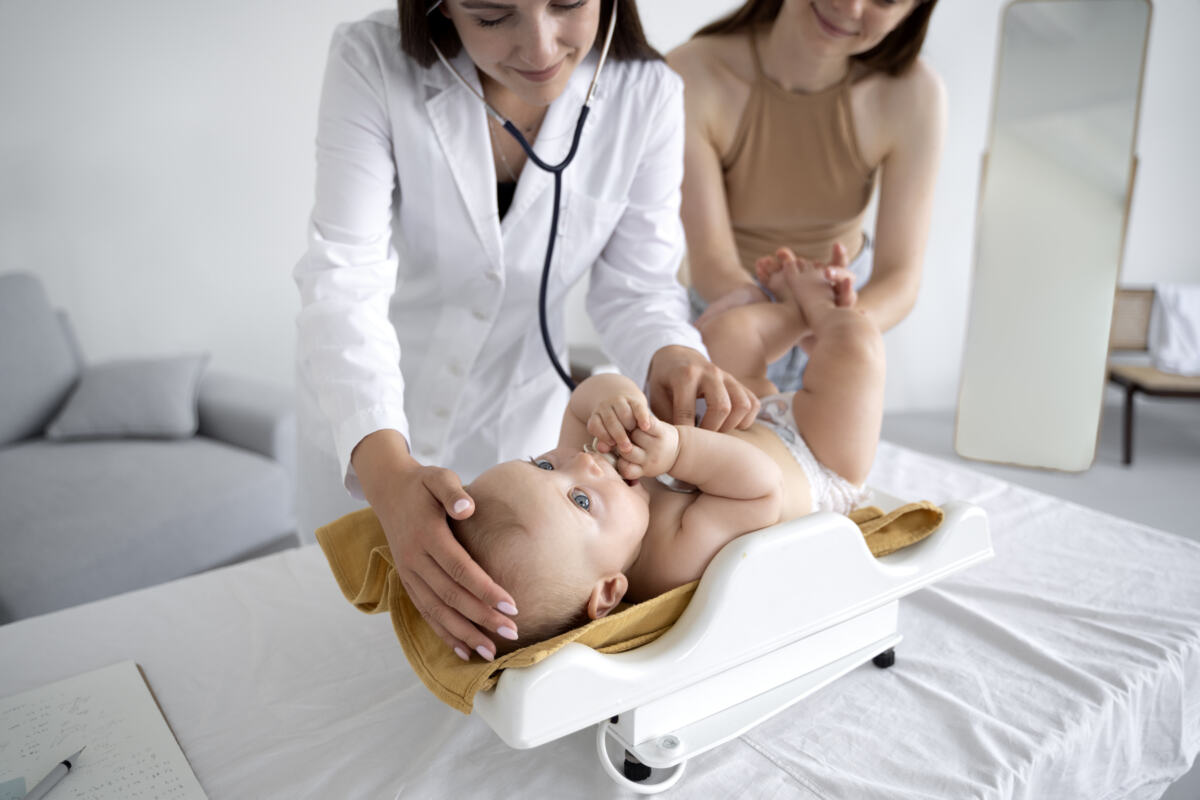
First clinical examination of the newborn
Parents often think only of blood tests, but a baby's first major check-up is just as important. The NHS says that newborns should have a physical examination within the first 72 hours of life, and again at 6-8 weeks. This includes checking the heart, eyes, hips and, in boys, whether the testicles have dropped.
For parents, this examination is also useful because it is a chance to ask questions and calmly discuss anything that concerns them: head shape, skin, tone, jaundice, regurgitation, sleep, feeding. Do not underestimate this stage: sometimes it is the clinical examination, not the laboratory test, that provides the most valuable information about the child's condition.
If the baby was born prematurely or has additional risks
Premature babies, babies with low birth weight, jaundice, breathing difficulties, or other special conditions may need additional tests and monitoring. For example, bilirubin levels may need to be monitored more frequently, and some tests may need to be done on a different schedule. Doctors also sometimes order additional tests if they suspect infection, hemolytic disease, or other neonatal conditions.
This does not mean that there is necessarily something serious with the child. It is just that in some situations the newborn needs a more careful start. And for parents, one thing is important here: do not be afraid to clarify why this or that analysis was prescribed.
What to ask your doctor before discharge
Before discharge, it is useful not to be shy about asking simple questions. For example:
- Have you done all the basic screenings yet?
- What was the bilirubin level and is follow-up necessary later?
- When to expect the results of the heel prick test?
- Has the child had a hearing test?
- Was pulse oximetry performed?
- What symptoms should you pay attention to at home in the first few days?
Such questions do not mean distrust of the doctor. On the contrary, they help parents better understand the child's condition and feel more at ease at home. If the results of the heel prick test are delayed, the NHS advises not to wait in silence, but to clarify this with doctors.
What parents often ask
Do all children need these screenings?
In most newborn screening programs, such tests are recommended for all children because they help detect conditions that may be unnoticed at first.
Are all the first tests for a newborn done in the maternity ward?
Not always. Some screenings are done before discharge, while others are done in the first weeks of life or during a separate visit after discharge. For example, hearing screening is sometimes done at home or in an outpatient setting.
What to do if one of the screenings showed abnormalities?
This does not always mean that the disease is confirmed. Screening only indicates that further testing is needed. If there is a suspicious result, it is important to promptly perform the recommended follow-up tests.
Is it possible to refuse screenings?
Many health systems recommend screening, but decisions are still discussed with parents. However, medical sources emphasize that early detection of such conditions can really help start treatment on time.
The first tests Newborn checkups aren't meant to scare parents with complicated names, but to give your baby the safest possible start. In most cases, they're just a confirmation that everything's okay. But if something needs attention, these few checkups can give your baby the time that really counts.

Director of Medi Lab Plus LLC, a doctor of the highest category. Has over 45 years of practical experience in medicine and laboratory diagnostics. Founder and head of the laboratory since 2007. More details…

