
Pollinosis: tests before the flowering season

Pollinosis is often confused with a lingering cold, especially in the spring. But there is an important difference: with pollinosis, the symptoms recur in the same season, worsen outdoors, in windy, dry weather, or after contact with pollen. Most often, sneezing, itchy nose, watery eyes, nasal congestion, and a feeling of irritation in the eyes appear. The temperature usually does not rise, and the sore throat and body aches are much less pronounced than with a viral infection.
When is it really worth going for a checkup?
It is worth considering testing if the symptoms recur in the same season, worsen outdoors, in dry windy weather, or after walks in the park or outside the city. Another reason not to postpone the examination is if the medication helps only partially, the symptoms interfere with sleep, study, or work, or if the hay fever is accompanied by coughing, wheezing, or shortness of breath. In such cases, it is important not only to confirm the allergy, but also to assess whether the lower respiratory tract is involved.
What tests are most often needed before the flowering season?
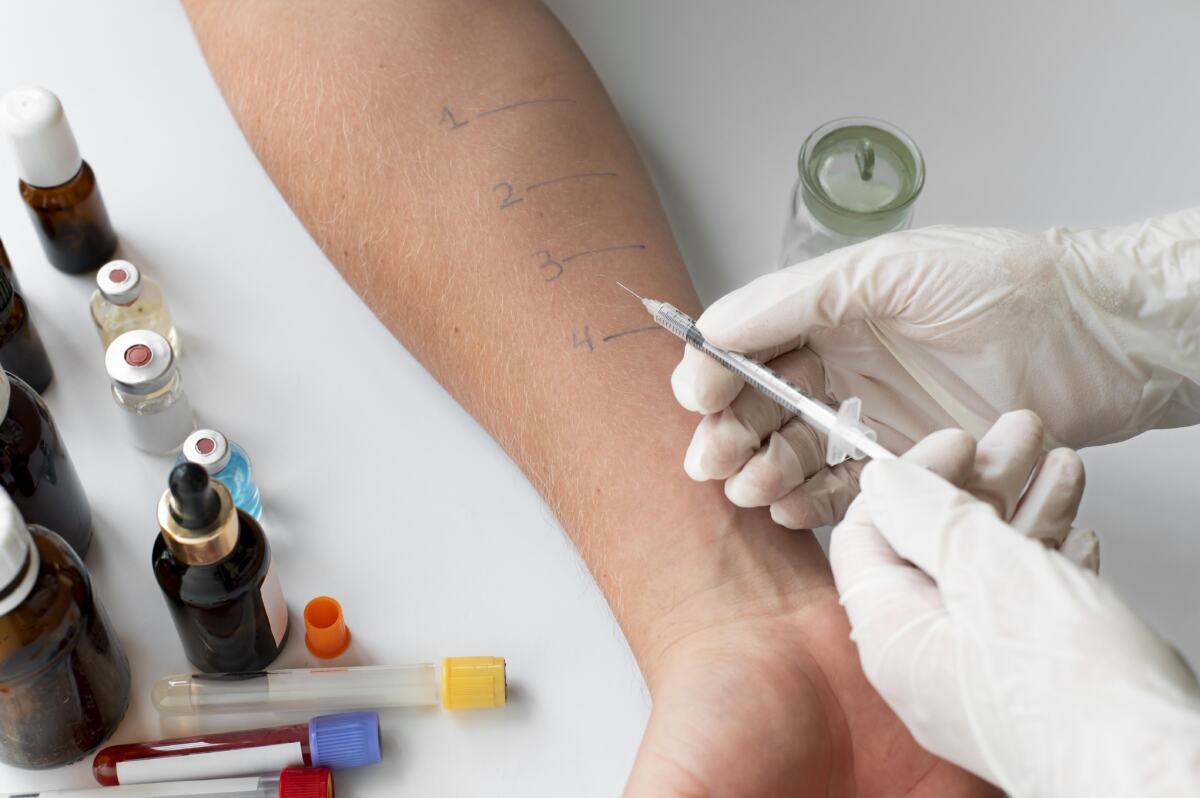
There are two main approaches commonly used to confirm hay fever: skin prick tests and blood tests for specific IgE to suspected allergens. Both the AAAAI and the Mayo Clinic explicitly state that for allergic rhinitis, skin or blood tests are the most common ways to determine which triggers are causing symptoms. But no test is meaningful on its own—it is always correlated with when symptoms occur and what a person reacts to in real life.
| What test? | When it is especially useful | What is important to know |
|---|---|---|
| Skin prick tests | When you need to quickly confirm a reaction to pollen and it is possible to temporarily cancel antihistamines | The result is often evaluated after about 15–20 minutes |
| Blood test for specific IgE | When skin tests interfere with medications, there are severe skin problems, or a laboratory format is needed | Shows sensitization to specific allergens |
| Component allergy diagnosis | When the picture is complex, there are several positive allergens or you need to plan your tactics more precisely | Helps to gain a deeper understanding of the sensitization profile |
| Additional respiratory assessment | When hay fever is accompanied by cough, wheezing, or suspected asthma | Not everyone needs it, but depending on the symptoms |
Such a table is useful because it removes the main confusion: "analyses for hay fever" is not one universal item in the price list, but the choice of a method for your situation.
Which is better - skin prick tests or blood tests?
Skin tests are often considered a very convenient option because the response is visible quickly - usually during the appointment. They are widely used to diagnose hay fever and can immediately show the typical local reaction to a specific allergen. This is why they are the first choice for many patients.
A blood test for specific IgE is particularly useful when skin tests are not appropriate. For example, if a person cannot temporarily discontinue medications that affect the skin reaction, or has a skin condition that makes testing difficult or inaccurate. In such cases, a laboratory test can often provide the information needed without disrupting treatment.
How to prepare for the examination
If skin prick tests are planned, it is most important to clarify in advance which medications need to be temporarily discontinued. Antihistamines can affect the result of the skin test, so the doctor or allergist usually separately explains how many days to stop them. This period may vary slightly in different clinics, so it is important to focus not on general advice from the Internet, but on the instructions of your institution.
There are usually fewer such restrictions before a blood test for specific IgE. This option is often chosen when discontinuation of medications is undesirable or impossible. But even in such a situation, it is better to bring a list of all medications and supplements you are taking to the appointment so that the doctor can see the full picture.
What tests should not be done “just in case”?”
With hay fever, it is very tempting to test "everything at once", but this is not always useful. For allergic rhinitis, total IgE and normal total blood test have limited practical value if done without a clear clinical request. Similarly, food panels should not be added to the examination just because the symptoms resemble allergies: food allergy is not the cause of typical seasonal allergic rhinitis, and occasional positive results can only be confusing.
Another important detail: a positive test does not always mean that this allergen is causing the symptoms. The results of skin tests or specific IgE should only be read in conjunction with the seasonality of the complaints, the place of residence and the actual picture of the symptoms. Otherwise, you may find sensitization that is not clinically relevant for you.
When it's worth talking not only about tests, but also about treatment in advance
If hay fever severe, recurring every year and significantly impairing quality of life, it is worth discussing not only the confirmation of the diagnosis, but also a longer-term plan before the flowering season. Allergen-specific immunotherapy is considered an effective option for allergic rhinitis, but it is considered when clinically significant IgE to the relevant allergen is confirmed. This is why accurate diagnosis before the season is so useful: it allows you to not just «survive spring», but to approach treatment more strategically.
Is it possible to completely cure hay fever?
Pollinosis cannot always be cured quickly and permanently, but it can often be well controlled. For some, correctly selected medications during the season are enough, for others, avoiding contact with pollen on peak days becomes important, and in some cases, allergen-specific immunotherapy is considered. The most important thing is not to live for years in the “I endure every spring” mode, but to understand your allergen and have a clear plan of action.
Frequently asked questions before the flowering season
Is it possible to do tests during flowering?
Yes, but it is more convenient organizationally before the season. In addition, skin tests require preparation, and during the period of active symptoms, a person often already takes antihistamines. Blood test for specific IgE could be a solution if skin tests uncomfortable now.
Are skin tests painful?
Usually not. It is a short procedure with superficial punctures of the skin, and the reaction is assessed after about 15–20 minutes. Most often, the unpleasant thing is not the pain, but a short-term itching in the areas of a positive reaction.
Can I do without tests if the symptoms are the same every year?
Sometimes a doctor can start treatment based on a typical clinical picture, but for precise identification of the trigger, planning allergen avoidance, and especially for considering immunotherapy, confirmation by tests is very useful.
Do I need to come on an empty stomach?
For skin prick tests, this is usually not a major requirement; it is much more important to clarify the issue of medications, especially antihistamines. For blood tests, the preparation rules depend on the specific laboratory, so it is better to clarify them in advance.
When hay fever recurs every year, the best time to address it is before the pollen starts to rule your well-being again. A few well-chosen tests, proper preparation for them, and a conversation with an allergist often do more good than another season in "suffer" mode.

Director of Medi Lab Plus LLC, a doctor of the highest category. Has over 45 years of practical experience in medicine and laboratory diagnostics. Founder and head of the laboratory since 2007. More details…

