

Glycemic profile (8 00 -13 00 -18 00)
360 UAH
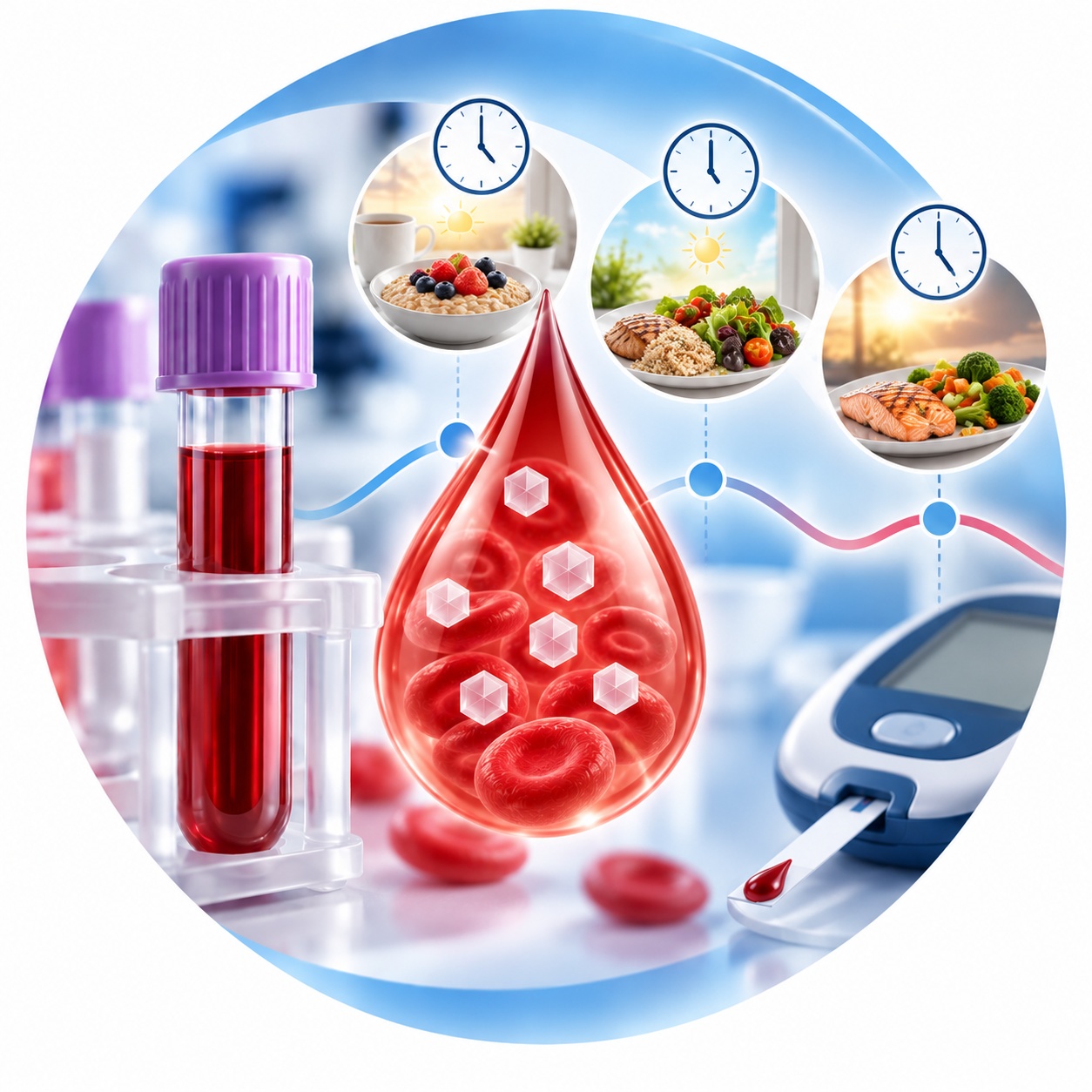
Glycemic profile (8:00 – 13:00 – 18:00) — is a comprehensive study that involves taking blood three times during the day to track fluctuations in glucose levels. The analysis allows you to assess the body's response to meals, check the correctness of the selection of the dose of insulin or sugar-lowering drugs, and also identify hidden peaks of sugar increase during the day.
A glycemic profile is an important tool for determining blood sugar levels at different times of the day. It allows you to study how the body responds to food intake, physical activity and medications, and helps control the risk of developing diabetes and its complications.
The glycemic profile is typically assessed at three key points: before breakfast (8:00 a.m.), before lunch (1:00 p.m.), and before dinner (6:00 p.m.). These points are important because they reflect the body's response to different meals throughout the day.
In the morning, before breakfast, blood sugar levels may be low after a night of fasting. This is because the body uses glucose reserves to maintain organ functions during the night. Breakfast should be balanced and contain complex carbohydrates that will be gradually absorbed by the body, avoiding sharp fluctuations in blood sugar levels.
Before lunch, around 1:00 p.m., blood sugar levels can rise due to the processing of carbohydrates from breakfast and possible physical activity. This can lead to the heaviness and drowsiness that is often observed after eating. To avoid sharp fluctuations, it is important to choose the right foods and monitor portion sizes.
Before dinner, closer to 6:00 PM, the body may again detect elevated blood sugar levels after lunch and snacks. It is advisable to limit the consumption of carbohydrates, especially fast-digesting ones, at dinner, as this will help maintain stable blood sugar levels during the night.
Regularly measuring your glycemic profile can help identify problems with blood sugar regulation. If you have consistently high blood sugar levels, this could indicate a risk of developing diabetes or other metabolic disorders. On the other hand, low blood sugar levels can lead to loss of energy and even fainting.
Maintaining a stable glycemic profile is essential for maintaining overall health and preventing disease. It is important to monitor nutrition, physical activity, and medication prescriptions according to the advice of medical professionals.
| Execution time | 1 day |
|---|---|
| Type of biomaterial | Fasting blood |
Useful tests