
Glucose (urine)
150 UAH
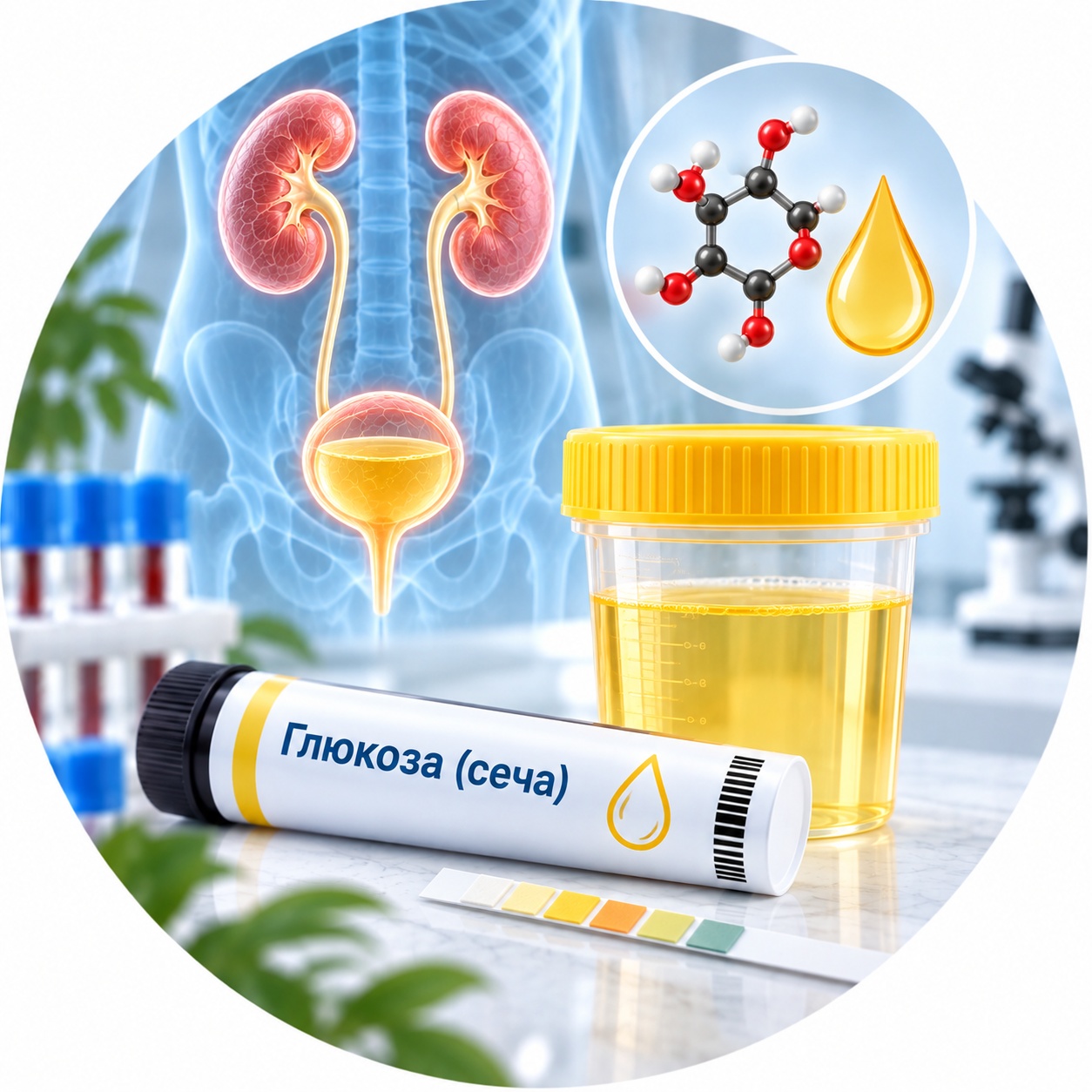
Urine glucose test (glucosuria) is a laboratory test used to assess the state of carbohydrate metabolism, detection of primary or uncompensated diabetes mellitus, as well as diagnostics of renal tubular pathologies.
Biomaterial: morning average urine or daily urine (depending on the doctor's prescription)
Research method: enzymatic (glucose oxidase) / colorimetric
Appointment: diabetes diagnosis, disease compensation control, renal threshold assessment for glucose
Urine test for glucose is an important diagnostic test in therapy, endocrinology and nephrology. Normally, glucose is completely filtered in the renal glomeruli and almost completely reabsorbed in the renal tubules back into the blood, so in the urine of a healthy person it is found only in trace amounts or is absent.
The appearance of glucose in the urine (glucosuria) is observed in two main cases:
Extrarenal (pathological) glycosuria: occurs when blood glucose levels exceed the so-called «renal threshold» (approximately 8.8–9.9 mmol/L). The most common cause is uncompensated diabetes mellitus.
Renal glycosuria: is associated with a violation of the process of glucose reabsorption in the renal tubules while maintaining a normal level of glucose in the blood plasma.
Indications for the appointment of the analysis
Suspicion of type I or type II diabetes (in the presence of symptoms such as constant thirst, frequent urination, increased fatigue, and sudden changes in body weight).
Monitoring the condition of patients with established diabetes and assessing the effectiveness of selected therapy.
Comprehensive assessment of kidney function in case of suspected renal tubular disease (Fanconi syndrome, tubulopathy).
Screening examination of pregnant women for timely detection of gestational diabetes.
Assessment of the condition of patients with acute infectious diseases, severe injuries or burns.
Interpretation of results
The main causes of increased glucose in the urine
Diabetes mellitus (type I and II): exceeding the renal reabsorption threshold due to high blood glucose levels.
Gestational diabetes: impaired glucose tolerance during pregnancy.
Kidney disease: primary renal glucosuria, chronic glomerulonephritis, interstitial nephritis, Fanconi syndrome.
Endocrine disorders: thyrotoxicosis, Itsenko-Cushing syndrome, pheochromocytoma, acromegaly.
Pancreatic damage: acute or chronic pancreatitis.
Physiological factors: consumption of large amounts of carbohydrates on the eve of the test, severe emotional or physical stress, taking certain medications (corticosteroids, diuretics, concentrated glucose solutions).
Preparation for the study
Compliance with the preparation rules guarantees the accuracy and reliability of the results:
Dietary restrictions for 24 hours: exclude sweets, sweet drinks, foods with a high sugar content, as well as vegetables and fruits that can change the color of urine (beets, carrots, citrus fruits) from the diet.
Alcohol and drugs: Refrain from drinking alcohol for 24 hours. In consultation with your doctor, it is recommended to temporarily stop taking diuretics and large doses of vitamin C.
Physical regime: exclude heavy physical exertion, visiting the sauna and stressful situations on the eve of the analysis.
Hygiene procedures: Immediately before collecting the biomaterial, perform a thorough toilet of the external genitalia without using aggressive detergents.
Collection procedure:
For the morning portion: Collect the average portion of the first morning urination into a sterile disposable container.
For daily urine (if prescribed): The first morning portion of urine is poured into the toilet, and all subsequent portions for 24 hours are collected in one large container, which is stored in a cool place (+2…+8 °C). At the end of the day, the contents are mixed, and 50–100 ml is taken into a sterile cup for delivery to the laboratory.
Frequently Asked Questions (FAQ)
1. Does the presence of glucose in the urine necessarily mean a diagnosis of diabetes?
No, the presence of glucose in the urine is not a clear indication of diabetes. It may be a temporary phenomenon due to stress or dietary factors, or a consequence of a lowered renal threshold. To establish an accurate diagnosis, fasting blood glucose and glycated hemoglobin (HbA1c) tests are mandatory.
2. Can I take a urine test during menstruation?
It is not recommended to take the test during menstruation, as the ingress of blood elements can distort laboratory results. If an urgent examination is needed, a hygienic tampon should be used.
3. How does taking vitamin C affect the test result?
Taking high doses of ascorbic acid (vitamin C) can lead to false-negative results in laboratory testing, so it is recommended to stop taking it 1–2 days before the analysis.
Recommendations after receiving the results
If glucose is detected in the urine, it is necessary to consult a general practitioner or endocrinologist to interpret the results taking into account the general state of health.
For a comprehensive assessment of the condition, it is recommended to conduct a parallel study of glucose and glycated hemoglobin levels in blood serum.
Refrain from changing your diet or adjusting your medication without consulting a specialist.
| Execution time | 1 day |
|---|---|
| Type of biomaterial | Morning urine sample |
Useful tests