
Cytological examination: what it is, types and preparation rules
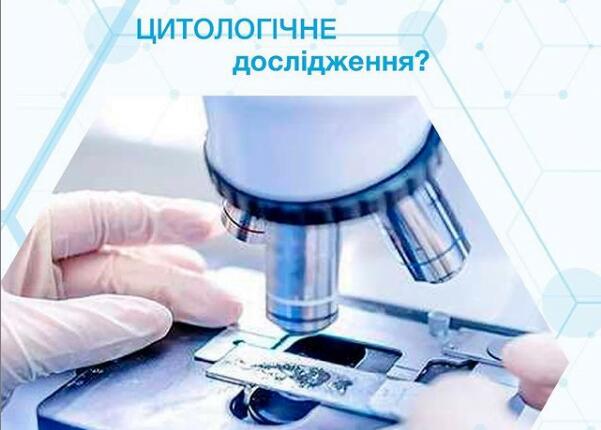
Laboratory analysis of cells allows you to detect pathological changes in the body even before the disease begins to manifest itself with the first symptoms. Cytology is a diagnostic method in which the structure of individual cells or their small clusters is studied under a microscope.
Unlike histological analysis (biopsy), cytology does not require cutting a piece of tissue. The study is carried out on the basis of ordinary smears, scrapings or fluids. The procedure for collecting the material itself is quick and painless for the person.
Why is a cytological analysis prescribed?
The main goal of this study is to detect inflammatory processes, precancerous conditions, or the appearance of malignant cells in a timely manner.
The doctor may refer for cytology in the following cases:
Routine preventive examination (for example, an annual Pap test at a gynecologist).
The appearance of suspicious tumors, nodules, or dense areas on organs.
Monitoring tissue condition during or after treatment.
What is a cytological examination?
Depending on which organ and how the cells are taken, the studies are divided into several types:
1. Conventional smears and washes (Exfoliative cytology)
The material is cells that independently exfoliate from the surface of the mucous membranes.
Gynecological smear for oncocytology (screening for cervical diseases).
Analysis of mammary secretions.
Sputum collection when coughing or urine sediment analysis.
Washings that the doctor takes during an examination of internal organs (for example, during gastroscopy).
2. Needle puncture (Aspiration cytology)
Cells are extracted using a thin syringe directly from deep within the tissues. The method is indispensable when you need to check:
Nodules in the thyroid gland.
Tightness in the chest.
Lymph nodes that remain enlarged for a long time.
3. Smears-prints
A glass or instrument is applied directly to an open wound, erosion, or ulcer on the skin to collect the top layer of cells for analysis.
How to prepare for the analysis
Improper preparation can result in too few cells or too many foreign particles (such as mucus or blood) entering the lab, making it difficult for the lab technician to give a clear answer.
Importantly: The result of cytology is not a ready diagnosis, but only a detailed description of the cells under a microscope. The final conclusion and treatment plan are written only by your doctor, taking into account the symptoms, patient complaints, and other tests.

Highly qualified cytomorphologist with over 45 years of experience. For 33 years, she headed the cytology laboratory of the regional oncology clinic. Expert in early diagnosis of malignant neoplasms at Medi Lab Plus LLC. More details…

