
Hepatitis C
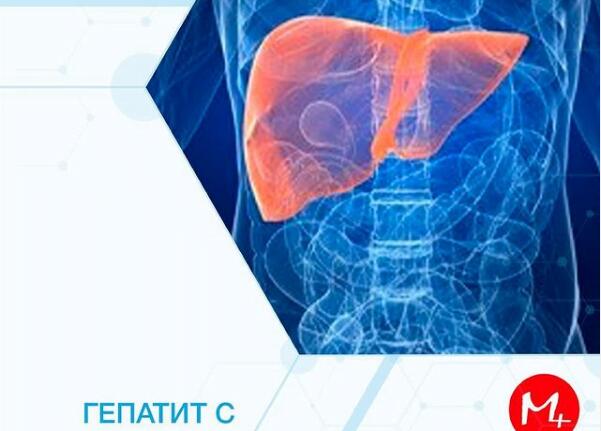
💡 Hepatitis C is a disease caused by a virus, which can be transmitted through blood from one person to another to another.
📍The hepatitis C virus (HCV) was first identified in 1989. The pathology mainly affects the liver.
⏳The incubation period (from the moment of infection to the appearance of symptoms) lasts from 2 weeks to 6 months, most often 45-60 days.
The main danger of this form Hepatitis lies in diagnosis at an early stage. The reason for this is the complete absence of symptoms or their minor manifestations.
📍Symptoms:
– increased sweating (especially at night);
– increased body temperature;
– arthralgia (joint pain, aches);
– loss of appetite, nausea;
– heaviness in the epigastric region;
– feeling of discomfort in the right hypochondrium (due to bile stasis or inflammation of the gallbladder);
– impaired concentration, inattention;
– rapid fatigue;
– spider veins, itching, rash;
– digestive disorders (constipation, diarrhea);
– light-colored, discolored stool;
– dark urine;
– moderate increase in liver size;
– general weakness, dizziness.
🩸Acute hepatitis C - clear contact with infection, positive viral RNA for 6 months or an increase in serum alanine aminotransferase (ALT), or seroconversion, in which antibodies and / or hepatitis C virus RNA are absent in the first sample and present in the second. Blood tests show an increase in bilirubin, liver tests.
‼️70-75% patients who have had an acute form of hepatitis C develop a chronic form.
🩸 Chronic hepatitis C – continuous hepatitis C disease outside the acute phase. It is characterized by mild symptoms, which poses a great danger to the patient's health. Pronounced symptoms begin to appear in severe stages: weight loss, itching of the skin, enlargement of the liver and spleen, spider veins, bleeding.

Head of the clinical diagnostic laboratory of Medi Lab Plus LLC, Master of Biochemistry with over 15 years of management experience. Monitors compliance of research with international EUCAST protocols and ISO 15189 standard. Acts as a medical editor of the site materials. More details…

