

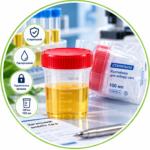
Collection of urogenital material with disposable systems
100 UAH
Collection of urogenital material for laboratory examination using sterile disposable systems. The procedure is performed by a medical professional in compliance with hygiene rules and requirements for collecting biomaterial.
Collection of urogenital material with disposable systems
Collection of urogenital material is a procedure for obtaining a biological sample for laboratory research. For collection, sterile disposable systems are used, selected according to the type of research and the type of required biomaterial.
How is urogenital material collected?
The procedure is performed by a healthcare professional using sterile instruments. The material can be obtained from the appropriate area of the urogenital tract using a disposable sterile probe or other systems for biomaterial collection.
After After collection, the sample is placed in a special transport container. or test tube and sent to the laboratory for further examination.
For what research is the material used?
Urogenital material can be used for various laboratory tests, including:
- identification of infectious agents;
- PCR studies;
- microflora research;
- diagnostics of sexually transmitted infections;
- bacteriological studies;
- other studies as directed.
The type of biomaterial and the method of its collection depend on the specific analysis.
Preparation for material collection
Preparation rules depend on the type of study. Certain restrictions regarding sexual intercourse, use of topical medications, hygiene procedures, or urination may be recommended before the procedure.
The exact requirements need to be specified for a specific laboratory study.
Advantages of disposable systems
The use of sterile disposable systems allows for sampling without reusing instruments. This helps to comply with sanitary and hygienic requirements and ensure proper conditions for obtaining and transporting biomaterial.
After taking the material
After the procedure is completed, the sample is properly labeled and sent for laboratory testing. Further processing of the biomaterial depends on the specific analysis method.