
Insulin
330 UAH
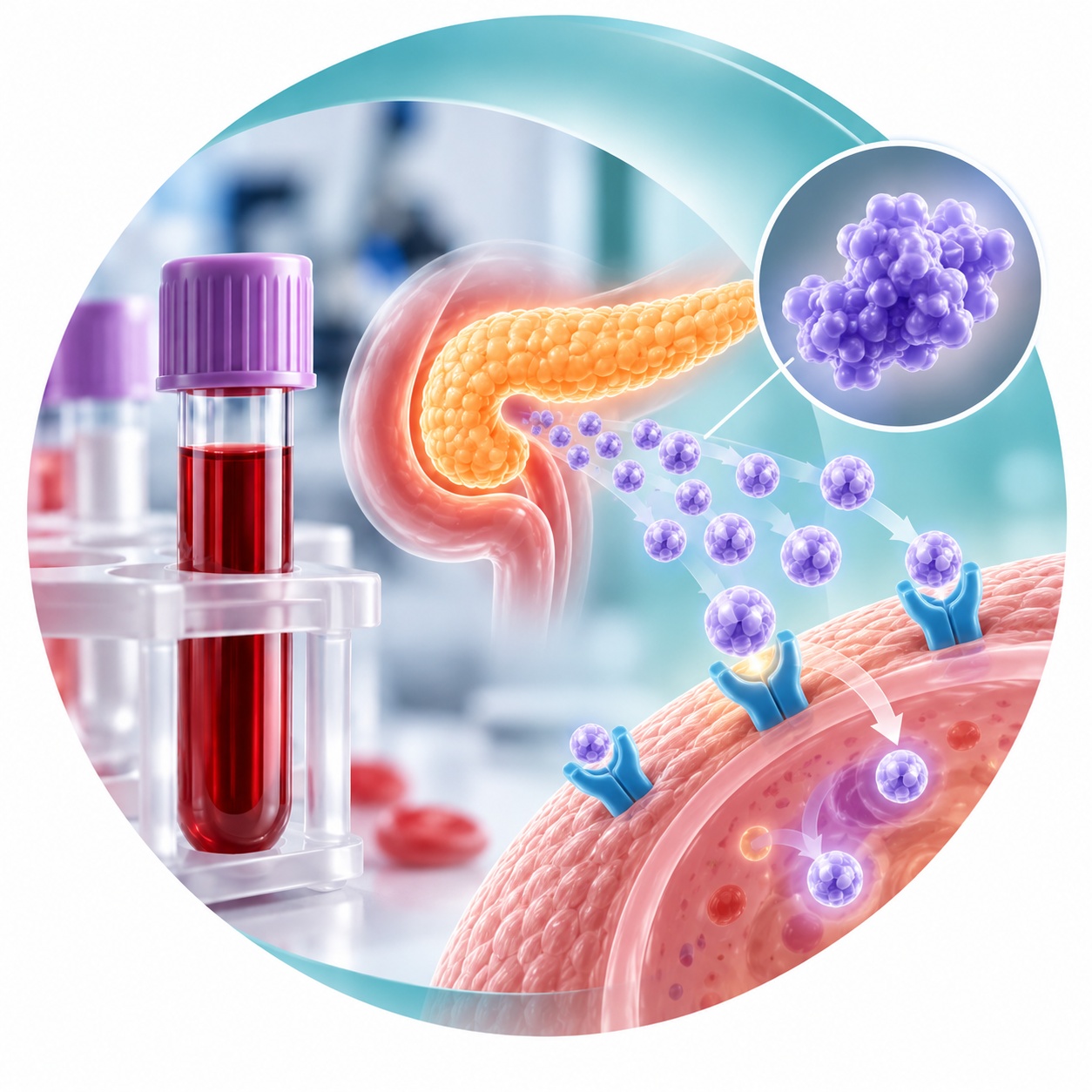
Insulin — a pancreatic hormone that regulates blood glucose levels and ensures its absorption by body cells. The analysis allows you to assess the secretory function of the pancreas, detect insulin resistance, determine the type of diabetes mellitus, and find out the causes of regular low blood sugar levels (hypoglycemia).
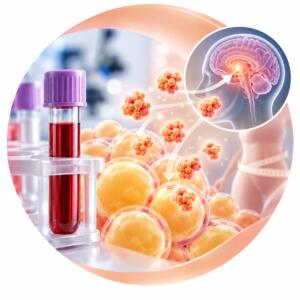
Insulin is one of the most important hormones that regulate metabolism in our body. This hormone is produced in the pancreas, specifically in cells known as beta cells of the islets of Langerhans. Insulin plays a critical role in regulating blood glucose (sugar) levels and providing energy to various tissues in the body.
The main function of insulin is to ensure that glucose is taken from the blood into the cells, where it can be used for energy. When we eat food, especially food rich in carbohydrates, the level of glucose in the blood rises. In response, the pancreas secretes insulin, which helps the cells absorb glucose from the blood. This is important for meeting the body's energy needs and maintaining normal blood glucose levels.
In addition to its role in glucose regulation, insulin also affects fat and protein metabolism. It promotes the accumulation of fat in adipose tissue and inhibits the breakdown of fat. Insulin also promotes the incorporation of amino acids into proteins, which helps the body make new proteins.
Insulin disorders can lead to serious health problems. The most well-known of these disorders is diabetes mellitus. Diabetes mellitus is a chronic disease in which the body cannot properly use glucose due to insufficient insulin secretion or insensitivity of cells to this hormone.
There are two types of diabetes known as type 1 and type 2. In type 1, the immune system mistakenly recognizes the beta cells as foreign and destroys them, leading to a near-total loss of insulin production. As a result, patients with this type of diabetes must take insulin daily through injections or insulin pumps.
Type 2 diabetes is characterized by a combination of insufficient insulin secretion and reduced cellular sensitivity to this hormone. It is more common in people who are overweight and have an unhealthy lifestyle. In such cases, diet, physical activity, oral medications, and in some cases insulin can be used.
The importance of insulin for health is difficult to overestimate. In addition to regulating blood glucose levels, this hormone affects the processes of growth and repair of the body, the distribution of fats and energy. The achievements of scientists in the field of medicine are aimed at improving the treatment of diabetes, in particular, at developing new methods of insulin delivery and improving the diagnosis of disorders associated with this hormone.
So, insulin is a key hormone that affects almost every aspect of metabolism in our body. Its importance for ensuring the normal functioning of organs and systems cannot be underestimated, and understanding its functions helps us take care of our health and avoid the risks associated with insulin disorders, in particular diabetes.
| Execution time | 1 day |
|---|---|
| Type of biomaterial | Venous blood |
Useful tests