Gamma-glutamyl transferase (GGT)
150 UAH
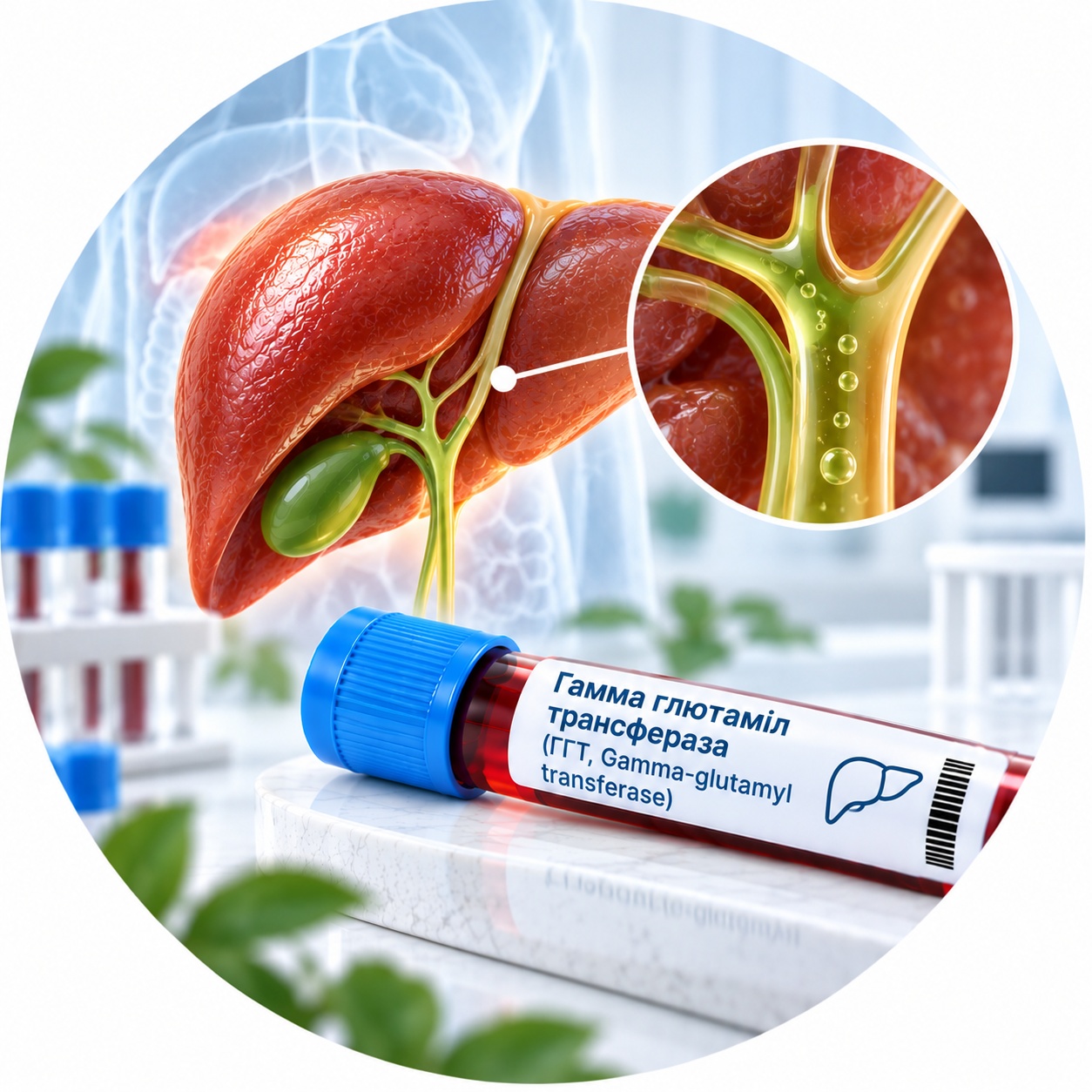
Gamma-glutamyl transferase (GGT) blood test — is a highly sensitive laboratory marker of the condition of the liver and biliary tract. GGT is the most sensitive enzyme for the diagnosis of cholestasis (bile stasis) and toxic liver damage, in particular of alcoholic or drug origin. The study is used to detect cholelithiasis, hepatitis, cirrhosis, neoplasms in the liver and pancreas, as well as for monitoring patients taking hepatotoxic drugs.
Gamma-glutamyltransferase (GHT) is an enzyme involved in amino acid metabolism and is found mainly on the membranes of cells with high secretory and absorptive capacity. The highest concentration of GGT is observed in the tissues of the liver, bile ducts, kidneys and pancreas, but the main source of the enzyme in the blood serum is the hepatobiliary system.
In laboratory diagnostics, GGT is considered one of the most sensitive indicators of liver and biliary tract damage. Unlike other liver enzymes, GGT is the first to respond to bile stasis and the effects of toxic substances (including alcohol and some drugs), increasing even before the appearance of clinical symptoms and changes in bilirubin or ALT/AST levels.
What is this study for?
Diagnosis of cholestasis: Detection of bile outflow disorders in cholelithiasis, biliary dyskinesia, cholangitis, or compression of the ducts by a tumor.
Assessment of toxic and alcoholic liver damage: Early detection of the effects of alcohol, heavy metals and toxic substances on liver tissue, as well as monitoring alcohol withdrawal.
Medication load control: Assessment of the safety of therapy with long-term use of potentially hepatotoxic drugs (statins, anticancer, antifungal, anticonvulsant drugs, oral contraceptives).
Differential diagnosis of elevated alkaline phosphatase (ALP): Determining the source of the increase in LF (if both LF and GGT are elevated, the cause is in the liver; if only LF is elevated and GGT is normal, the pathology is associated with bone tissue).
Diagnosis of pancreatic and liver diseases: Assessment of the condition in acute and chronic hepatitis, fatty hepatosis, cirrhosis and tumor processes.
Who is recommended to take the test?
Patients with symptoms of liver or biliary tract pathology (nausea, vomiting, heaviness or pain in the right hypochondrium, bitterness in the mouth, itchy skin, dark urine, discolored stools, jaundice).
Persons with confirmed diseases of the hepatobiliary system (cholelithiasis, hepatitis of various origins, fatty hepatosis).
Patients who take medications with a high load on the liver for a long time.
For individuals with chronic alcohol intoxication or undergoing rehabilitation courses.
All adults as part of an expanded biochemical assessment of liver status.
Preparation for the study
Material: Venous blood.
On an empty stomach: Blood is donated in the morning on an empty stomach (after an 8–12-hour overnight fast). You can drink clean, non-carbonated water.
Alcohol and food: 24–48 hours before the test, strictly avoid alcohol consumption and fatty, fried foods.
Physical and emotional stress: On the eve of the study, avoid heavy training, visiting the sauna, and stress.
Smoking: Do not smoke for 1–2 hours before blood collection.
Interpretation of results
Important: GGT norms depend on gender (in men, the enzyme level is physiologically higher due to the presence of GGT in the prostate gland) and the patient's age.
Possible causes of elevated GGT levels:
Bile stasis (cholestasis): Gallstone disease, cholangitis, cholecystitis, obstruction of the bile ducts by a tumor.
Liver damage: Acute and chronic viral, toxic and autoimmune hepatitis, fatty liver disease (steatohepatitis), cirrhosis.
Alcoholic effects: Acute or chronic alcohol intoxication (GGT is the most sensitive marker of alcohol use).
Drug induction: Taking barbiturates, phenytoin, statins, antibiotics, non-corticosteroid anti-inflammatory drugs, estrogens.
Pathology of the pancreas: Acute and chronic pancreatitis, pancreatic tumors.
Other reasons: Myocardial infarction (in the late period), diabetes mellitus, hyperthyroidism, cancer with metastases to the liver.
Causes of low GGT levels:
Hypothyroidism (decreased thyroid function).
Long-term adherence to a strict vegetarian or protein-free diet.
Decreased enzyme activity due to taking certain medications (e.g., oral contraceptives or clofibrate).
| Execution time | 1 day |
|---|---|
| Type of biomaterial | Venous blood |
Useful tests