Calcium Ionized (Ca++, Calcium Ionized)
230 UAH
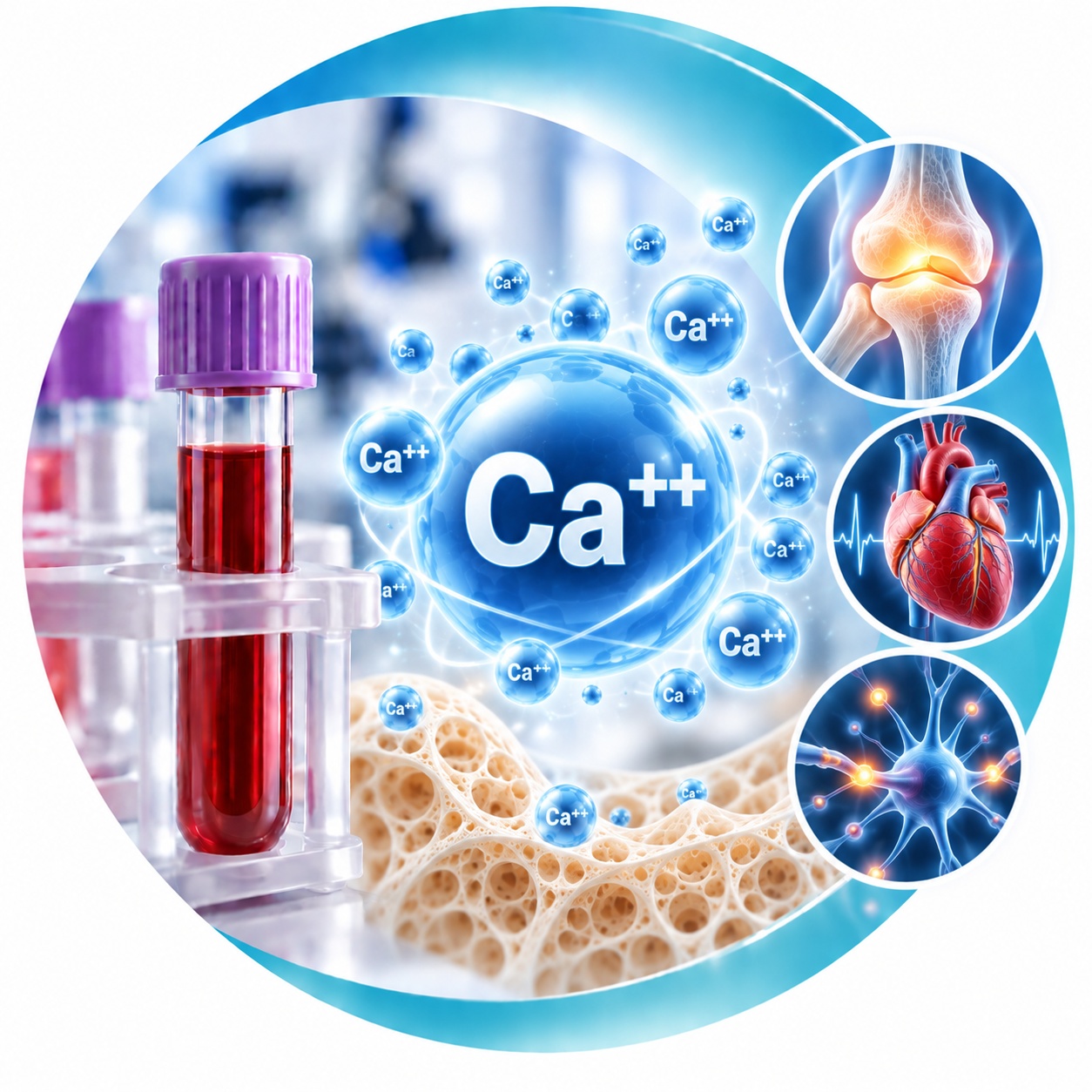
Blood test for ionized calcium (, (Calcium Ionized) — is a study of the biologically active (free) fraction of calcium, which is not bound to proteins and directly participates in physiological processes. The test allows for the most accurate assessment of the condition of bone tissue, the function of the parathyroid glands, blood clotting and muscle contractility, especially with changes in the level of total protein in the body.
Ionized calcium (Ca++) is one of the key roles in the physiology and biochemistry of the body. This amazing mineral plays an important function in many processes that occur in cells from various organs and systems.
Calcium is one of the most important components of bone tissue, responsible for its strength and structure. In addition, calcium is involved in ensuring the proper functioning of the cardiovascular system. Calcium ions affect the excitation of muscles, in particular the heart muscle, regulating its contractility. Calcium deficiency can lead to heart rhythm disorders and other heart problems.
The effect of ionized calcium on the nervous system is also significant. It is an important signaling molecule that helps transmit nerve impulses. Calcium regulates the functioning of synapses (connections between nerve cells) and affects the release of neurotransmitters - chemicals that transmit signals between nerve cells.
Another important aspect of ionized calcium is its role in blood clotting. Calcium interacts with blood clotting factors, helping to convert fibrinogen into fibrin, the main component of clotted blood. This helps stop bleeding and ensure the healing of damaged blood vessels.
It is important to note that the balance of calcium in the body is somewhat complex, as it depends on many factors, including the absorption of calcium by the intestines, its excretion by the kidneys, as well as the influence of other minerals and vitamins.
Total blood calcium levels are controlled by hormones such as parathyroid hormone (PTH) and calcitonin. PTH promotes the release of calcium from bones, increases its absorption in the intestines, and decreases its excretion by the kidneys, which increases blood calcium levels. Calcitonin, on the other hand, decreases the concentration of calcium in the blood by stimulating its absorption by bones and excretion by the kidneys.
In general, ionized Calcium plays a key role in many vital processes in the body. It regulates muscle contraction, nerve signal transmission, blood clotting, and ensures bone stability. Calcium deficiency or excess can lead to serious disruptions in the body's functioning, so it is important to follow the recommendations for consuming this mineral and maintain balance in the body.
| Execution time | 1 day |
|---|---|
| Type of biomaterial | Venous blood |
Useful tests