

Coprogram
350 UAH
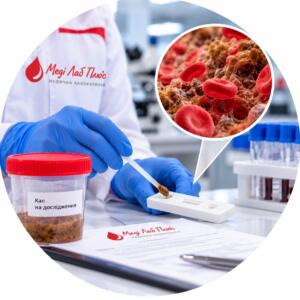
A coprogram is a comprehensive stool test that helps assess the functioning of the digestive system. The analysis determines the physical, chemical, and microscopic characteristics of the sample, including the presence of undigested food debris, fiber, fat, and other components. The results help the doctor assess the digestive processes and, if necessary, prescribe additional examinations.
- The stool is delivered to the laboratory for examination within 2 hours of collection. If the delivery time exceeds 2 hours, it is necessary to use containers with a preservative for transporting the material.
- The container with feces is tightly closed with a lid, packed in a clean disposable bag and delivered to the laboratory.
- Stools should not be submitted for testing after an enema, suppository insertion, or castor oil administration. Stools for testing should not contain foreign substances, such as urine.
- In newborn babies, feces are collected from the diaper or nappy immediately after defecation.
Gastrointestinal diseases have become one of the most common medical problems in the modern world. They can be insidious and lead to serious complications if not detected and treated in time. One of the methods for diagnosing such diseases, which allows you to obtain important information about the condition of the patient's digestive system, is a coprogram. In this article, we will look at what a coprogram is and how it can be used to diagnose gastrointestinal diseases.
A coprogram, or stool analysis, is a laboratory diagnostic method that involves examining the physical, chemical, and microbiological properties of feces. Feces contain important information about the functioning of the gastrointestinal tract, and their analysis can reveal various digestive disorders and other diseases.
The main indicators that the laboratory analyzes during the coprogram include the following:
- Consistency and shape of stool: This characteristic can indicate digestive problems. For example, diarrhea can be associated with gastrointestinal diseases such as Crohn's disease or colitis.
- Stool color: Changes in stool color can indicate various problems. For example, pale stools can be a sign of gallbladder problems, while black stools can indicate bleeding in the gastrointestinal tract.
- Stool odor: Unusual stool odor can be a sign of various illnesses, including infections and changes in digestion.
- Blood in the stool: Finding blood in the stool can be an indicator of numerous problems, such as a stomach or intestinal ulcer, gastrointestinal cancer, or hemorrhoids.
- White blood cell count: An elevated white blood cell count in the stool may indicate inflammation in the gastrointestinal tract, which can be caused by a variety of conditions, including peptic ulcer disease or inflammatory bowel disease.
- Fat content: Increased fat in stool can be a sign of malabsorption diseases such as celiac disease or Whipple's disease.
- Parasite and bacterial content: Stool may contain parasites or pathogenic bacteria that can cause various infectious diseases.
It is important to note that the coprogram is only one method of diagnosing gastrointestinal diseases and cannot be used in isolation from other clinical data and examinations. The doctor should always prescribe this analysis based on the patient's symptoms and previous examinations.
A stool sample can be useful for detecting gastrointestinal diseases, but it is always important to perform it in conjunction with a doctor's consultation and other diagnostic methods, such as endoscopy, X-rays, blood tests, and others.
The overall health of your digestive tract is important for your overall health, and early diagnosis can help prevent serious complications and improve your quality of life. Therefore, don't delay seeing a doctor if you experience any symptoms that may indicate a problem with your digestive tract.
In summary, the coprogram is an important tool for diagnosing and studying gastrointestinal diseases. It provides the doctor with valuable information about the condition of the patient's digestive system and helps to identify and treat problems in a timely manner. However, it should be used in conjunction with other diagnostic methods and prescribed by the doctor based on clinical indicators.
| Execution time | 1 day |
|---|---|
| Type of biomaterial | Dung |
Useful tests