

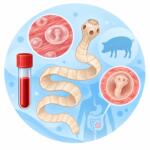
Clonorchis sinensis (Clonorchosis), IgG
1,200 UAH
Infectious panel/Parasitology
Description
Clonorchis sinensis and Immunoglobulin G (IgG) in the Infection Panel in Parasitology
Clonorchiasis, also known as clonorchiasis, is a parasitic disease caused by the flatworm Clonorchis sinensis. This parasitic infection is common in populations in certain regions of Southeast Asia, especially China, Vietnam, Korea, and Thailand. The infection is transmitted through the consumption of undercooked or raw fish that contain the parasite's larvae.
Immunoglobulin G (IgG) is a class of antibodies produced by the body in response to infectious agents such as bacteria, viruses, and parasites. Laboratory tests, including immunological tests to detect antibodies such as IgG, are used to diagnose clonorchiasis and many other infectious diseases.
Diagnosing clonorchiasis can be a difficult task because, if left untreated, this infection can lead to serious complications such as cholecystitis, cholangiocarcinoma (cancer of the bile ducts), and other liver diseases. One way to diagnose clonorchiasis is to measure the level of IgG antibodies in the blood.
If a patient is suspected of having clonorchiasis, the doctor may recommend an immunological test for IgG antibodies to Clonorchis sinensis. This test detects the presence of antibodies that are produced during immunity to this parasite. A positive result may indicate a current or previous infection with clonorchiasis.
However, it is important to note that the presence of IgG antibodies does not always indicate an active infection. Antibodies can be detected in the blood for a long time after recovery from an infection, and this can be useful information in establishing a diagnosis and treatment.
Treatment for clonorchiasis usually involves taking antiparasitic drugs such as praziquantel. After treatment, it may be useful to have follow-up tests to determine IgG antibody levels to ensure that the infection has been successfully cleared.
In parasitological research, such as the study of clonorchiasis, immunological tests play an important role in the detection and control of parasitic infections. They help doctors diagnose and treat patients more quickly, as well as determine the effectiveness of treatment.
In general, Clonorchiasis and Immunoglobulin G in the Infection Panel in Parasitology are important aspects of the diagnosis and treatment of this parasitic infection. These immunological tests can help in the timely detection and treatment of Clonorchiasis, preventing potentially serious health complications for patients.
Additional information
| Execution time | 1 day |
|---|---|
| Type of biomaterial | Venous blood |
Related products