

Pathomorphology microscopy
200 UAH
Light-optical research
Description
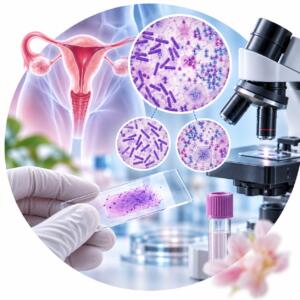
Microscopy of pathogenic fungi is an important component of the diagnosis of various diseases caused by fungi. Research using light-optical methods plays a major role in establishing the type of fungus, as well as assessing its morphological and structural features. In this article, we will consider the main aspects of microscopy of pathogenic fungi and its importance in medical practice.
Microscopy: Basics and Methods
Microscopy is the science of studying objects that cannot be seen with the naked human eye, using special instruments - microscopes. Light microscopy is one of the most common methods of studying biological objects, such as cells, bacteria and, of course, fungi.
Fungi are organisms that belong to the kingdom Fungi. They differ from other microorganisms in their cellular structure and method of nutrition. Light-optical microscopes are used to study fungi, which allow images of their structure to be obtained.
The main stages of microscopy of pathogenic fungi
- Material collection: The first step in the study of a pathogenic fungus is to collect material for analysis. Usually this is a biological sample that contains fungal structures. For example, it can be a skin swab to detect dermatophytes or a mucous membrane discharge to determine candidiasis.
- Sample preparation: The collected material undergoes processing, which may include fixation, staining, and dehydration. These procedures help preserve the structure of the fungus and improve image quality.
- Study under a microscope: After preparing the sample, it is examined under a light-optical microscope. The optical system of the microscope allows you to magnify the object and the details of the fungal structure.
- Analysis and photography: During microscopy, the structural features of the fungus are recorded and photographed for further analysis and documentation.
The value of light microscopy in the diagnosis of fungal infections
Pathogenic fungus microscopy is of great importance in medical practice. It allows:
- Identify the type of fungus: Identifying the type of fungus helps to establish a diagnosis and choose the appropriate treatment.
- Assess the extent of the damage: Microscopy allows you to determine how many fungi are in the sample, which helps to assess the extent of the lesion.
- Follow up on treatment: Repeated microscopic examinations allow to determine the effectiveness of treatment and, if necessary, to change therapy.
Conclusion
Microscopy of the pathogen using light-optical methods is an integral part of the diagnosis of fungal infections. It allows you to identify the type of fungus, determine the extent of the lesion and monitor the effectiveness of treatment. This method is an important tool for doctors and helps patients recover faster from fungal diseases.
Additional information
| Execution time | 1 day |
|---|---|
| Type of biomaterial | Scraping the test sample |
Related products