
Microbiome and mood. How gut health affects emotional well-being
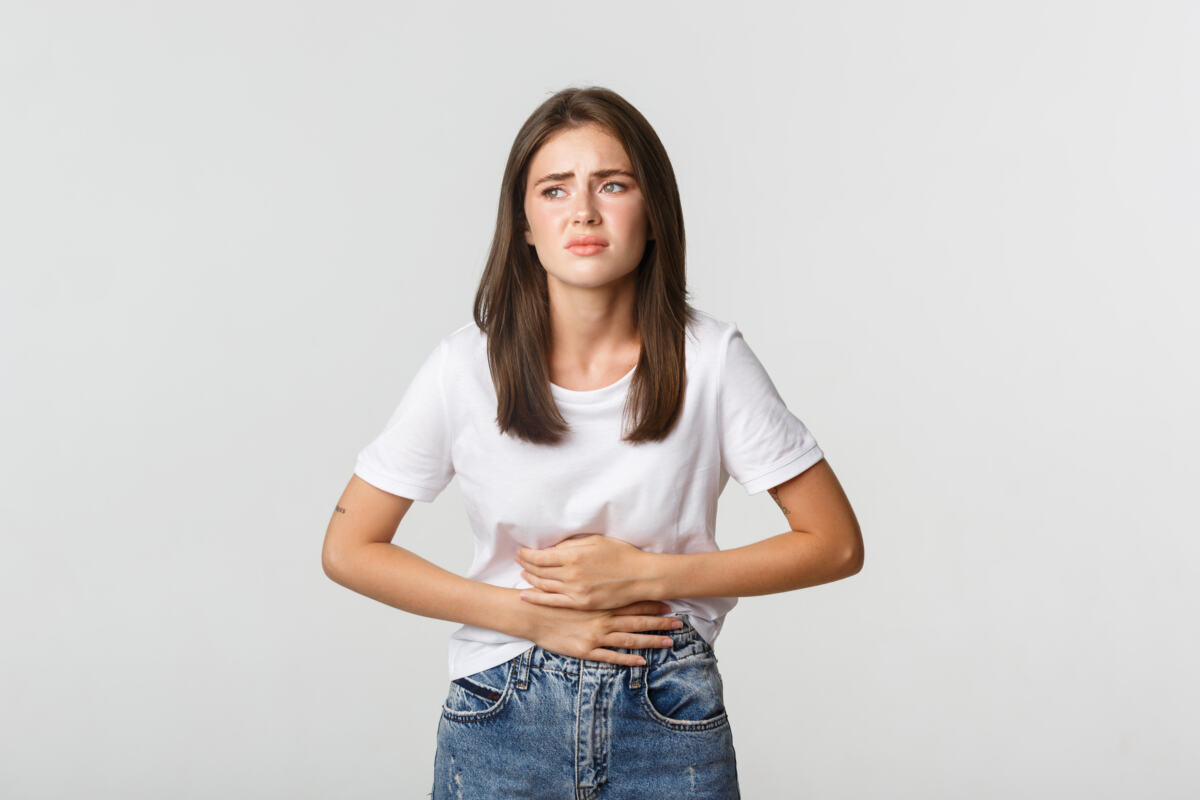
Today, it is clear that the gut affects more than just digestion. There is a constant two-way connection between the gut and the brain: the brain influences the functioning of the gastrointestinal tract, and the gut, in turn, can affect emotional state, stress level and general well-being. That is why problems with the gut and mood often go hand in hand.
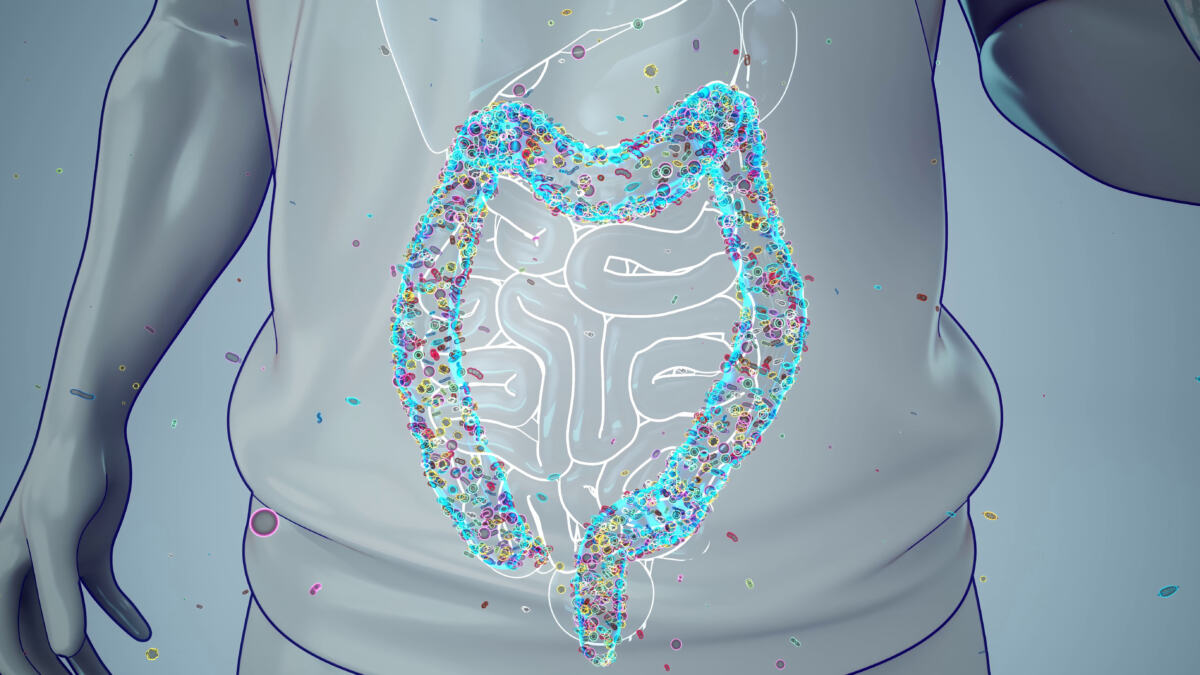
The microbiome is the community of microorganisms that live in the gut. They are involved in digestion, immune function, metabolism, and the production of substances that can affect the nervous system. In current reviews, this mechanism is described as the axis gut–brain, and it is considered a real part of how the body responds to and recovers from stress.
At the same time, it is important not to go to the other extreme. The connection between the microbiome and mood exists, but this does not mean that any anxiety, irritability or depression can only be explained by the gut. Mood is shaped by many things: sleep, stress, hormonal background, physical health, nutrition, life events and psycho-emotional stress. The microbiome is an important part of the picture, but not the only one.
How exactly the gut can affect your emotional state
When people talk about this connection, they mean not one cause, but an entire system. Gut bacteria can affect nerve signals, immune response, inflammation and the production of compounds that are involved in mood regulation. This is why a person can simultaneously deteriorate digestion, sleep and emotional state against the background of prolonged stress. And vice versa: chronic intestinal discomfort can make a person more exhausted, anxious or irritable.
What has already been seen in research
Large studies have found a link between gut microbiome characteristics and depressive symptoms. This does not mean that there is already a simple analysis, which will explain mood through the gut, but the direction itself is considered serious and promising. Separately, modern scientific reviews emphasize that this field is actively developing, but does not yet provide grounds to reduce all emotional difficulties only to the microbiome.
Table: how the connection between the microbiome and mood can manifest itself
| What does a person notice? | What could this mean? | What to look out for |
|---|---|---|
| Stress is accompanied by bloating, abdominal pain, and loose stools. | The brain and gut react to each other | It is worth assessing not only nutrition, but also stress levels and sleep. |
| Against the background of intestinal problems, irritability, exhaustion, and bad mood appear. | Intestinal discomfort can affect your well-being | A comprehensive approach is needed, not just “something for the gut” |
| After antibiotics, both digestion and general well-being worsened. | The microbiome could have changed after treatment | It is important to monitor symptoms and not self-medicate. |
| Irregular eating, low in fiber, lots of ultra-processed food, and unstable mood | Diet can affect both the gut and your emotional state | It's useful to start with the basics: routine, sleep, and diet. |
| Have long-term symptoms of depression or anxiety | This shouldn't be explained by the microbiome alone | You need to talk to a doctor or mental health professional. |
This table does not diagnose, but it helps to understand why the topic of the gut and mood is so important today.
Can nutrition affect mood through the microbiome?
Yes, and that’s why this topic so often goes beyond gastroenterology. Diet affects the composition of gut bacteria, and changes in the microbiome can affect the functioning of the gut-brain axis. What matters most here is not individual “superfoods” but the big picture: regular nutrition, sufficient fiber, vegetables, legumes, whole grains, and fewer ultra-processed foods.
What about probiotics?
Probiotics often presented as a simple solution, but it’s not so clear-cut. There are studies that look promising, but overall the evidence doesn’t yet support probiotics as a standard treatment for anxiety or depression. There are still many open questions in this area: which strains work, for whom, at what doses, and for how long. So it’s too early to accept probiotics as a universal way to “improve your mood through your gut.”.
Is there an analysis that will show that the cause of mood is in the microbiome?
No, there is no such simple analysis in routine clinical practice. Today, it is impossible to take one test and say for sure that depression or anxiety is caused by the microbiome. If there are symptoms from the gut, the doctor usually looks for specific causes: irritable bowel syndrome, inflammation, infections, intolerances or other conditions. And if mood comes to the fore, a separate assessment of the psycho-emotional state is required.
What can really help?
The smartest approach is not to look for one “magic bacteria” or one supplement, but to work with the foundation. Regular sleep, reducing chronic stress, physical activity, a more predictable diet, and paying attention to gut symptoms are much more beneficial than trying to solve everything with one drug. If there are pronounced signs of depression, anxiety, or severe emotional exhaustion, you should not postpone seeking help in the hope that everything will be solved “just because of the microbiome.”.
What to remember
The connection between the microbiome and mood is real, and today it is no longer just an interesting hypothesis. But this connection is complex: the gut can affect well-being, and stress and anxiety can affect the gut. That is why simplifications like “it's all about the nerves” or “it's all about the microbiome” work best, not a careful, comprehensive approach to health.

Director of Medi Lab Plus LLC, a doctor of the highest category. Has over 45 years of practical experience in medicine and laboratory diagnostics. Founder and head of the laboratory since 2007. More details…