
Vitamins and stress for fatigue and exhaustion

The modern pace of life, information noise, daily challenges and instability keep our nervous system in constant tension. Stress has become an inseparable part of today. However, when it becomes chronic, the body begins to work to exhaustion, rapidly losing its internal resources.
Few people think that during psycho-emotional stress, the need for micronutrients increases several times. Connection by route vitamins and stress is two-way: stress burns vitamins, and vitamin deficiency makes us vulnerable to stress. How to break this vicious circle - we will understand in this article.
Why stress and deficits are so easily confused
The most difficult thing about this topic is that stress and a lack of individual vitamins can look almost the same. A person may complain of constant fatigue, a “woolly” head, a feeling of emotional exhaustion, tearfulness or irritability. And all this can be both a reaction to chronic stress and the background to a deficiency that has been accumulating for a long time.
That is why the scheme “passed one trendy analysis and everything became clear” almost never works here. In most cases, the doctor looks at the broader picture: how the person eats, whether there are problems with sleep, whether there have been recent illnesses, what the symptoms are and whether they resemble a specific deficiency, and not just fatigue.
Top vitamins and minerals for fighting stress
To help the nervous system adapt to stress, it is necessary to provide it with the right «fuel.» Here are the main defenders of our mental health:
1. B vitamins are the main shield of the nervous system
This group of vitamins is critically important for the functioning of the central nervous system. They participate in the production of neurotransmitters (serotonin, dopamine, GABA), which are responsible for a good mood and calmness.
- B1 (thiamine) and B6 (pyridoxine): Reduces anxiety, improves memory and cognitive function.
- B5 (pantothenic acid): Supports adrenal function by reducing the toxic effects of cortisol.
- B12 (cyanocobalamin) and B9 (folic acid): Protects nerve cells from damage and prevents the development of depressive states.
2. Vitamin C — antioxidant protection
Stress triggers the release of free radicals that damage cells (oxidative stress). Vitamin C is a powerful antioxidant. In addition to protecting cells, it is directly involved in regulating cortisol production.
3. Vitamin D3 — the hormone of good mood
Receptors to vitamin D located in the areas of the brain responsible for emotions. Its deficiency is clearly correlated with the development of seasonal depression, chronic fatigue syndrome, and increased anxiety.
4. Magnesium (Mg) is an indispensable partner
Although magnesium — is a mineral, without which it is impossible to talk about fighting stress. Magnesium and vitamin B6 are a classic tandem. Magnesium inhibits the processes of excitation in the brain, relaxes muscles and normalizes sleep, and B6 helps magnesium penetrate into the cell.
When analyses make sense and when they don't
The most common mistake is to take a large vitamin panel simply because a person is tired. If there is only a general feeling of stress without other specific symptoms, this approach does not always provide real benefit. Very often the cause of exhaustion is not deficiencies, but lack of sleep, prolonged stress, violation of the regimen, lack of normal nutrition or even anxiety.
But tests really make sense if stress is accompanied by more specific things: severe weakness, dizziness, pallor, tingling in the extremities, numbness, muscle weakness, loss of appetite, prolonged weakness, bone pain, or very limited nutrition. In such cases, the doctor may recommend not a “general analysis,” but a targeted examination.
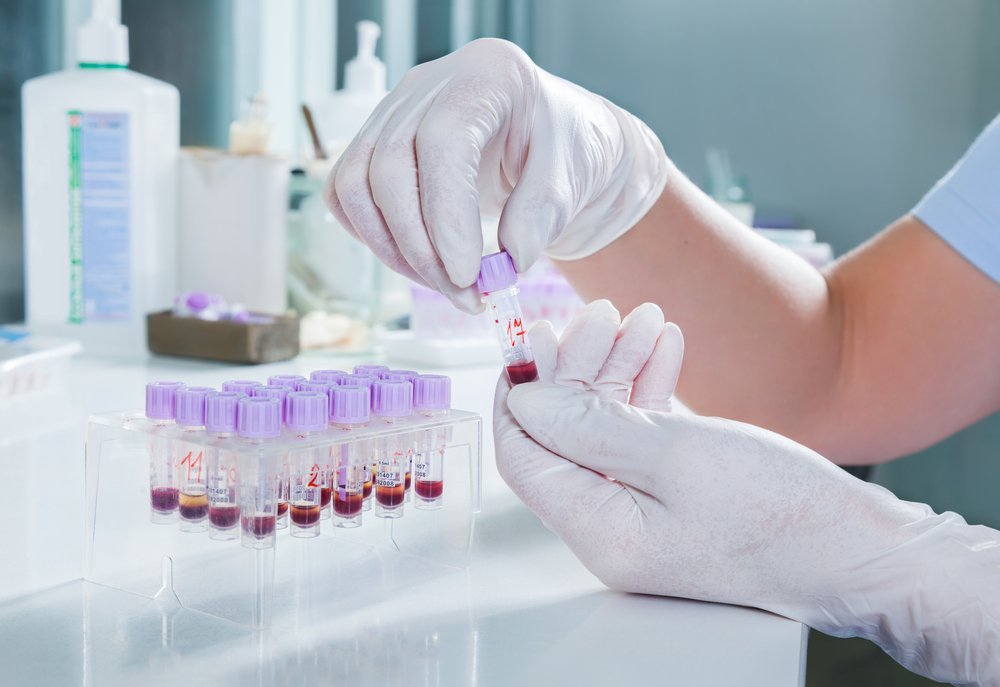
What tests are most often chosen when a deficiency is suspected?
If a doctor truly suspects that stress and fatigue are not just caused by overload, they most often look at:
- vitamin B12;
- folates;
- vitamin D;
- complete blood count;
- sometimes ferritin if anemia or depletion of reserves is suspected iron.
It is important to understand one thing here: although the topic of the article is “vitamins and stress”, in real life it is very often the most useful not the vitamin test itself, but a general blood test or ferritin. Because sometimes the cause of fatigue, irritability, and the feeling that “everything is falling apart” is not a lack of vitamins, but anemia or low iron reserves.
Who is at higher risk?
There are people who are more likely to develop deficiencies under stress. These are those who:
- eats very irregularly;
- eats almost no animal products;
- has stomach or intestinal diseases;
- takes certain medications for a long time;
- rarely gets out in the sun;
- often goes on strict diets;
- has constant exhaustion, but ignores the body's basic needs - sleep, food, water, rest.
In such cases, the topic of “vitamins and stress” becomes more objective. Here it really makes sense not to guess, but to check what is most likely.
Why you shouldn't drink everything at once
The other extreme is to start taking several supplements “for the nerves” on your own. This seems safe, but it is not always a good solution. First, if there is no real deficiency, it may simply not have an effect. Second, sometimes large doses of individual vitamins or complexes are not so harmless. Third, against the background of self-prescribed supplements, it is more difficult to understand the real reason for feeling unwell.
It is much wiser to first assess whether the situation resembles a real deficiency, and only then decide whether tests are needed or whether it is enough to start with simpler things: sleep, nutrition, water, reducing stress, and a basic examination.
What really helps, besides tests?
When a person is exhausted, they really want to find one specific test or one pill that will explain everything and quickly fix it. But in the topic of “vitamins and stress” this rarely works. Often, the best effect is not given by a single drug, but by a combination of simple things:
- normal sleep;
- regular nutrition;
- fewer missed meals;
- sufficient protein and regular food, not constant snacks;
- walks and daylight;
- reducing chronic overload.
If this is not the case, even good tests and the right supplements do not always produce the effect a person expects.
What to remember
Vitamins and stress are indeed linked, but the connection is not as simple as it often seems. Stress can highlight deficiencies, and deficiencies can exacerbate fatigue, irritability, and exhaustion. But not every bad mood or weakness means a vitamin deficiency.
The most sensible approach is not to immediately run to the “everything” panel, but first look at the symptoms more broadly. If there are specific signs that hint at a deficiency, tests can really be useful. If it is mainly about overload and lack of sleep, sometimes the body needs not so much vitamins as the restoration of basic things, without which no resource can function normally.

Director of Medi Lab Plus LLC, a doctor of the highest category. Has over 45 years of practical experience in medicine and laboratory diagnostics. Founder and head of the laboratory since 2007. More details…

