
Echinococcus
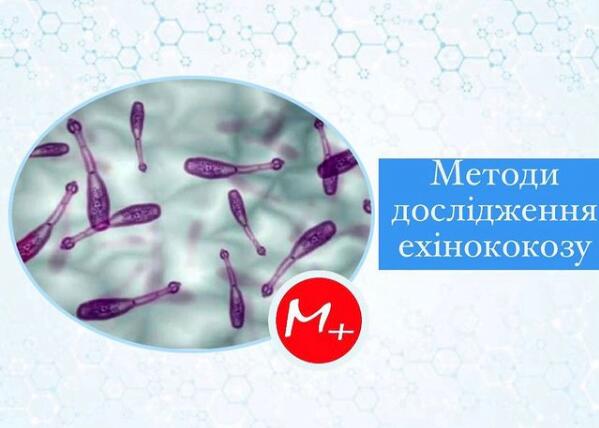
💡 Echinococcus (lat. Echinococcus granulosus) parasitizes in the liver, lungs, brain, kidneys. Causes the disease echinococcosis‼️
The echinococcus egg is almost round in shape, has a brown radically striped shell, and contains an oncosphere with 6 hooks.
🩸Echinococcus parasitizes in the small intestine as an adult helminth. Since their life cycle occurs with a change of hosts, their final habitat is domestic dogs, wolves, foxes and other carnivorous animals.
Mature segments of echinococcus are released into the environment with animal feces.
Most often, they enter the liver through the portal vein system through the intestinal wall in the form of oncospheres. Sometimes, oncospheres reach other organs through the blood vessels, such as the lungs, brain, kidneys, and others.
🩸A person with echinococcosis does not pose a threat to others. A person can become infected with echinococcus when consuming vegetables, fruits, berries, eggs. After the encosphere enters the body, a local inflammatory reaction occurs around it and begins to develop from the oncosphere into a fin - an echinococcal bladder (cyst)‼️The echinococcal cyst, in turn, causes compression of the surrounding tissues, as a result of which inflammation, necrosis, granulation occurs. Damage to the integrity of the echinococcal bladder can lead to the dispersion of eggs, the formation of new bladders in various organs, or lead to anaphylactic shock as a result of the entry of a foreign protein into the body. Thus, the disease in humans is caused by the larval stage of the parasite.
🩸The well-being and clinical picture during echinococcosis depends on the localization, size of the cyst and the speed of its growth. In most cases, the first signs appear several years after infection in the form of fatigue, allergic reactions, headache, lethargy, increased body temperature, etc.
🔬 During laboratory examination, CBC indicators indicate a significant increase in eosinophils (15 - 30%) and an increase in ESR.
🩸 Diagnosis of echinococcus is based on clinical and radiological data, the results of a blood test for antibodies to echinococcus Ig G in combination with ultrasound or CT data.

Head of the clinical diagnostic laboratory of Medi Lab Plus LLC, Master of Biochemistry with over 15 years of management experience. Monitors compliance of research with international EUCAST protocols and ISO 15189 standard. Acts as a medical editor of the site materials. More details…

