Transferrin (Transferrin, Tf)
250 UAH
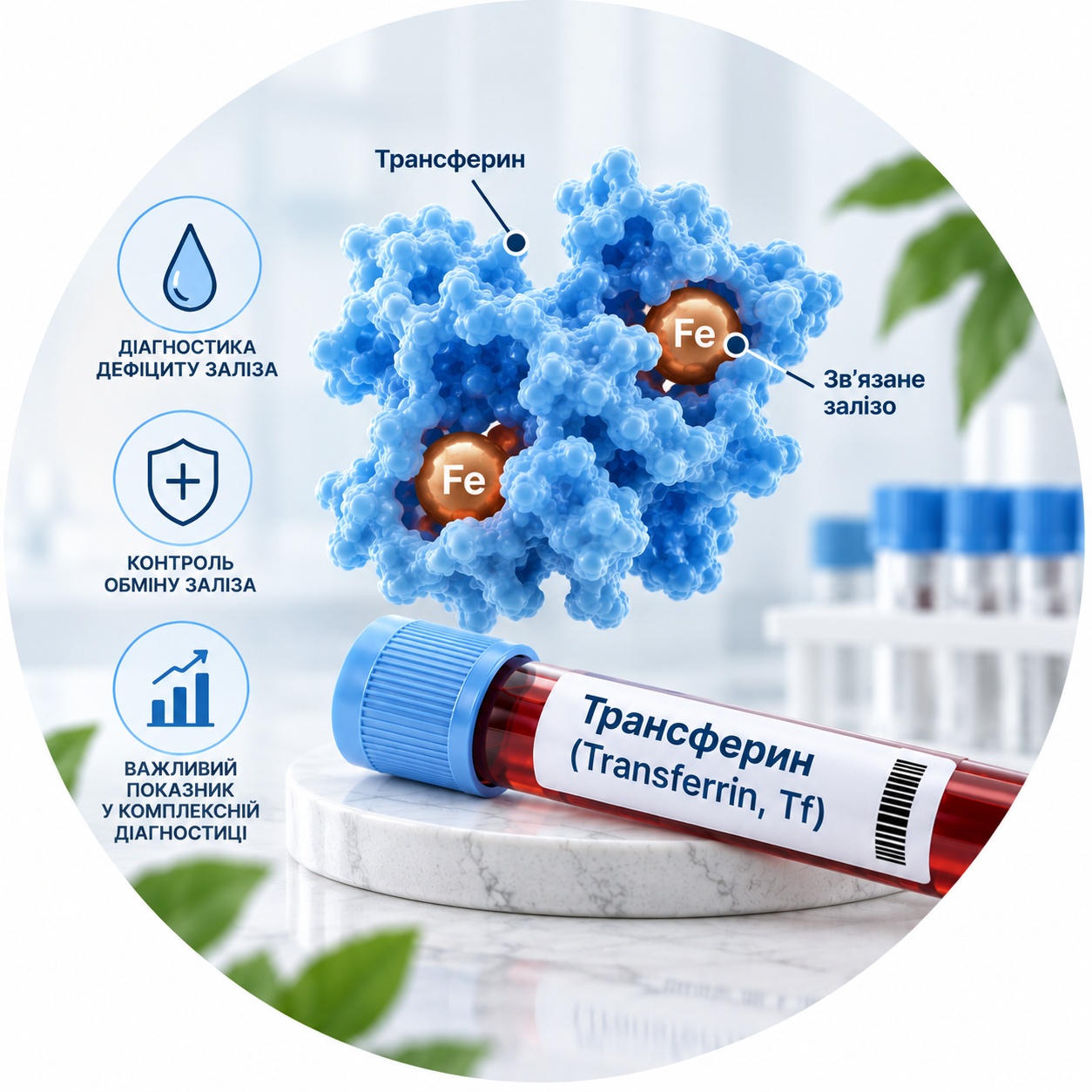
Blood test for transferrin (Transferrin, Tf) — is a laboratory study of the concentration of the main carrier protein that transports iron from the sites of its absorption and deposition to the bone marrow and tissues. The test is a key marker in the diagnosis of iron deficiency anemia (in which the level of transferrin adaptively increases), assessment of protein-synthetic function of the liver, clarification of the causes of iron overload (hemochromatosis), and comprehensive monitoring of the patient's nutritional (protein) status.
Biochemical blood tests are of great importance for the diagnosis of various diseases, including anemia. One of the important biomarkers used to determine the state of iron circulation in the body is transferrin (Transferrin, Tf).
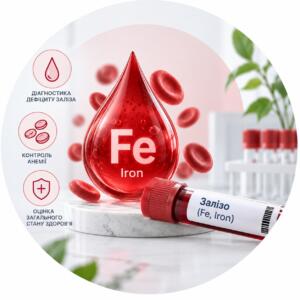
Transferrin is a glycoprotein that plays a key role in the transport of iron in the blood. Iron is an essential element for many vital processes, such as the synthesis of hemoglobin, enzymes, and other biologically active compounds. In order for iron to be transported in the body, it must be bound to the protein transferrin. This process is regulated by various factors, including the level of iron in the body.
For a comprehensive assessment of your health, it is also recommended to undergo complete blood count on an automatic analyzer, which allows you to assess all basic blood parameters.
Elevated levels of transferrin in the blood can be a sign of iron deficiency anemia. This condition occurs when the body does not get enough iron to synthesize hemoglobin. This deficiency can occur due to insufficient iron intake from food, impaired absorption in the intestine, or blood loss. In response to this deficiency, the body increases the synthesis of transferrin to provide more iron for important biological processes.
Low transferrin levels can also indicate certain medical conditions, including anemia of chronic disease. This form of anemia occurs as a result of inflammation or other chronic disease that causes changes in iron metabolism and other pathological processes. As a result, the body's transferrin levels are reduced, which can affect the supply of iron to tissues.
Biochemical blood analysis methods are used to determine the level of transferrin. One of the most common methods is to determine the total level of transferrin and its saturation with iron. This allows you to assess how effectively iron is transported in the blood and which processes of iron metabolism may be impaired.
In conclusion, it can be said that biochemical study of transferrin levels in the blood is an important tool for diagnosing various types of anemia and iron metabolism disorders in the body. This allows doctors to obtain objective information about the patient's condition and prescribe appropriate therapy to normalize iron levels and restore balance in the body.
| Execution time | 1 day |
|---|---|
| Type of biomaterial | Venous blood |
Useful tests