Uric Acid
170 UAH
Biochemical analysis blood to assess purine metabolism and diagnose salt balance disorders. Helps identify the risk of developing gout, urolithiasis and assess the functional state of the kidneys.
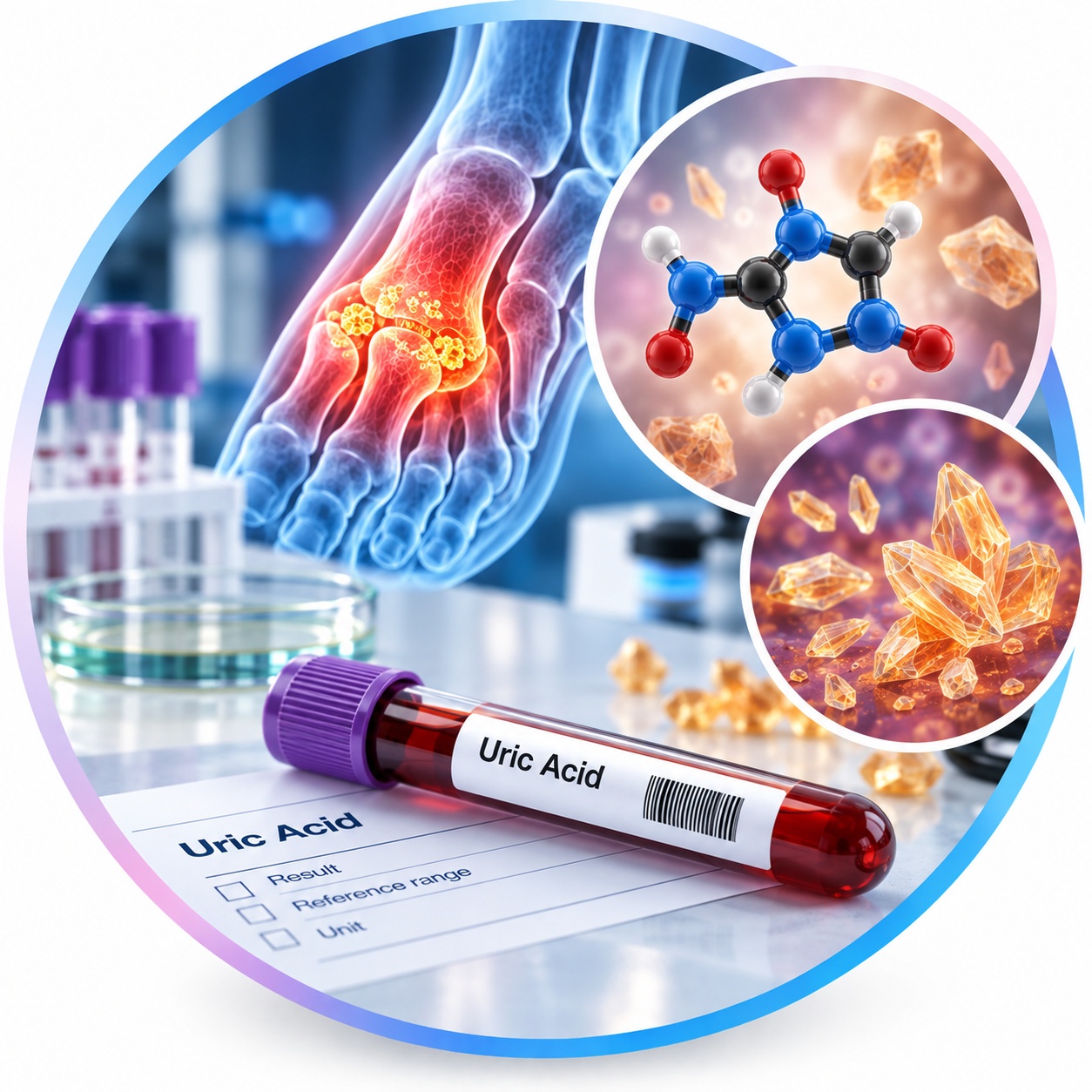
Uric acid (urate) is an organic compound that is formed in humans and other mammals as a result of the breakdown of purine compounds. It is a normal part of metabolism and can be beneficial, but it can also cause problems if its levels become too high.
Uric acid is formed as a result of the metabolism of purines, specific nitrogenous compounds found in various foods such as meat, fish, and certain vegetables and sweets. The normal breakdown of purines contributes to the formation of uric acid, which then passes through the kidneys and is excreted from the body in the urine.
However, when uric acid levels become too high, it can lead to the formation of crystals in the joints and kidneys. The formation of uric acid crystals can cause conditions such as gout, a painful inflammation of the joints, or urolithiasis, where crystals build up in the kidneys and can cause pain and complications.
Some factors can lead to increased uric acid levels in the body:
- Nutrition: A high-purine diet, rich in meat, seafood, and alcohol, can contribute to increased uric acid production. acids.
- Heredity: A tendency to have high uric acid levels can be inherited.
- Gender: Men generally have a higher risk of elevated uric acid levels.
- Weight and lifestyle: Being overweight and having an inactive lifestyle can increase your risk of hyperuricemia – elevated uric acid levels.
Treatment for high uric acid levels includes diet, lifestyle changes, and, in some cases, medication. In particular, medications that reduce the production of uric acid and those that improve its excretion from the body are prescribed.
Understanding the importance of a balanced diet, maintaining a healthy weight, and living an active lifestyle can help prevent problems associated with high uric acid levels. It is also important to see a doctor if you experience any signs of joint discomfort or pain, as early diagnosis and treatment can prevent further complications.
| Execution time | 1 day |
|---|---|
| Type of biomaterial | Venous blood |
Useful tests