
Candida albicans (Candidiasis): PCR-qualitative determination
420 UAH
Infection panel/Candidiasis diagnosis
Description
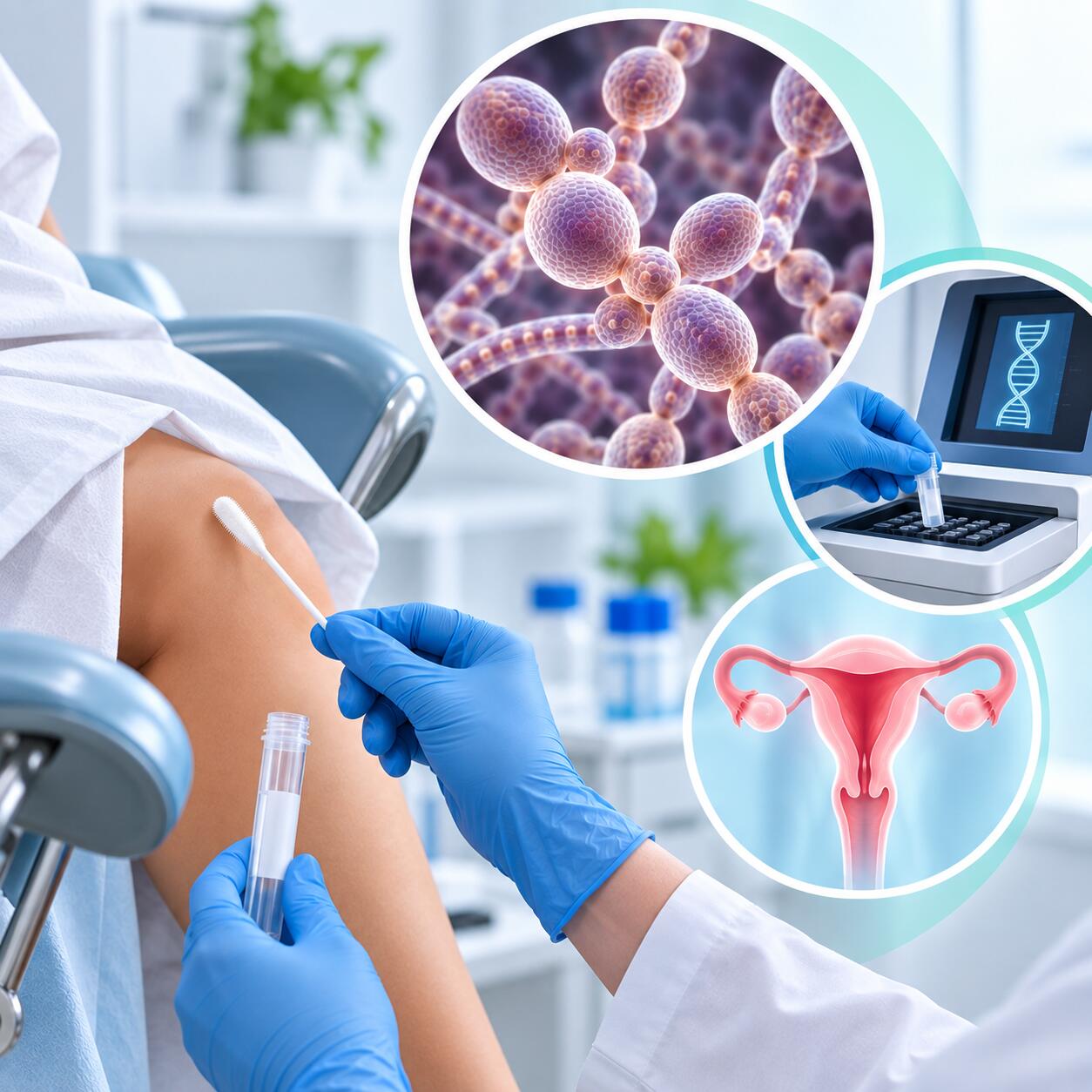
Candida albicans is a fungal microorganism that can cause infectious diseases in humans. It is one of the causative agents of candidiasis - a group of diseases that arise as a result of its activity in the human body. Candidiasis can affect the skin, mucous membranes of the oral cavity, genitals, stomach, intestines, lungs and other internal organs.
Candida albicans is a normal inhabitant of certain parts of our body, including the stomach and intestines, as well as the mucous membranes of the oral cavity and genitals. Under normal conditions, the balance between this fungal flora and other microorganisms that live inside us is maintained and does not pose a threat to health.
However, the human immune system is usually able to control the population of fungi in the body. When the immune system is weakened, for example due to illness, stress, taking antibiotics or hormonal drugs, Candida albicans can multiply excessively, leading to the development of candidiasis.
Candidiasis can manifest itself in different forms, depending on the site of infection. The main forms of candidiasis are:
- Cuticular candidiasis: A skin condition that usually affects the fingers and toes.
- Vaginal candidiasis: an infection of the female genitals, accompanied by itching and a white discharge.
- Oral candidiasis (thrush): infection of the mucous membranes of the oral cavity, accompanied by the appearance of white plaques on the tongue and mucous membranes.
- Intestinal candidiasis: the effect of fungi on the stomach and intestines, which can lead to indigestion, gas, and abdominal pain.
- Pulmonary candidiasis: A rare form of the disease where fungi spread in the lungs, especially in people with weakened immune systems.
- Invasive candidiasis: the most dangerous form, when fungi enter the bloodstream and organs, which can be life-threatening, especially for cancer patients or after organ transplants.
Treatment of candidiasis involves prescribing antifungal drugs such as fluconazole, itraconazole, ketoconazole, etc. However, for successful treatment, it is also important to strengthen the immune system, avoid stressful situations and factors that can promote the growth of fungi.
Prevention of candidiasis consists of a healthy lifestyle, a balanced diet, avoiding taking antibiotics without a prescription, and maintaining a high level of overall immunity.
If you suspect candidiasis, you should immediately consult a doctor for diagnosis and the appointment of the necessary treatment. Self-medication can lead to a chronic course of the disease and complications, so it is important to follow the recommendations of specialists.
Recommendation: Biomaterial: prostate secretion
– It is not recommended to visit a bathhouse or sauna during the day.
– Do not consume alcohol or spicy food during the day.
– Do not take antibacterial and antifungal medications for 14 days.
– Abstain from sexual contact for 3 days.
– On the day of donation, refrain from urinating for 2-3 hours.
– The sample is taken only by a doctor.
Additional information
| Type of biomaterial | Ejaculate, nasopharyngeal swab, Urine, Saliva |
|---|---|
| Execution time | 1 day |
Related products







-20%