Hepatitis C (HCV): PCR (Real-time PCR)
1,580 UAH
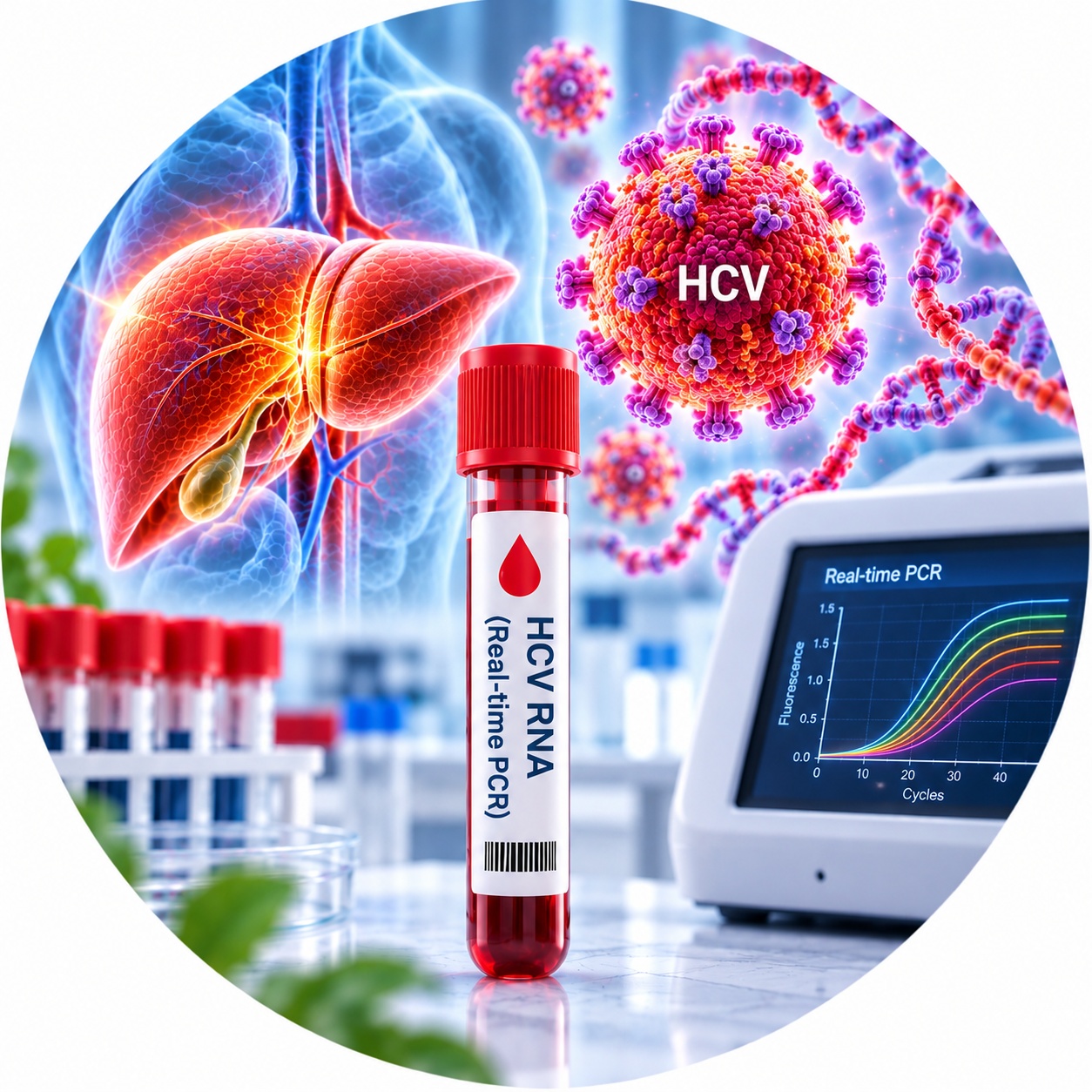
PCR testing for hepatitis C virus RNA (HCV RNA) using the Real-time PCR method allows you to detect the genetic material of the virus in a biological sample. Depending on the type of test, the analysis determines the presence of viral RNA or its amount in the blood. The results are used to confirm active infection and monitor treatment as prescribed by a doctor. Please check the type of test and preparation conditions in the Medi Lab Plus laboratory.
Quantification
Recommendations:
- Venous blood is donated for PCR testing and PCR genetics.
- Blood is collected on an empty stomach, after an overnight fast, or 8-12 hours after eating.
- On the day of blood donation, it is allowed to drink a small amount of pure water.
- 6-12 hours before the study, stressful situations should be avoided and physical activity should be limited.
- Avoid fatty foods, alcohol, and smoking.
- If possible, medication should be avoided.
- For infants – allow as long a gap between feedings as possible before handing over.
Hepatitis C (HCV) is a complex infectious disease that attacks the liver and can lead to serious complications. For timely diagnosis and control of this disease, it is important to use the most modern research methods, among which real-time polymerase chain reaction, or Real-time PCR, plays an important role.
What is hepatitis C (HCV)?
Hepatitis C is a viral infection that attacks the liver and can cause inflammation (hepatitis). The virus is spread through blood and other contact with infected blood, such as sharing needles, having sex with an infected person, and from mother to child during birth. Hepatitis C can become a chronic infection, leading to cirrhosis and liver cancer.
Real-time PCR for hepatitis C diagnosis
Real-time polymerase chain reaction (Real-time PCR) is a modern method of diagnosing hepatitis C, which allows you to accurately determine the presence of the virus in the patient's body. This method is based on the analysis of the genetic material of the virus in the patient's blood.
The advantages of Real-time PCR include:
- High sensitivity: This method allows the detection of even very small amounts of viral RNA in the patient's blood.
- Specificity: Real-time PCR allows you to determine the specific genotype of the hepatitis C virus, which helps determine the most effective treatment methods.
- Speed of results: Test results can be obtained within a few hours, allowing treatment to begin faster.
- Monitoring capability: Real-time PCR is also used to monitor the effectiveness of treatment and detect recurrences of infection.
Hepatitis infection panel
The hepatitis infection panel is a set of tests that include several methods for diagnosing hepatitis, including hepatitis C. In addition to Real-time PCR, the infection panel may include methods such as immunological tests to detect antibodies to the hepatitis C virus and other biochemical tests that indicate the condition of the liver.
This panel allows you to get a complete picture of the infection and the condition of the patient's liver and choose the appropriate approach to treatment and monitoring. It is important to consider that hepatitis C can accompany other hepatitis, such as hepatitis B, so the infection panel helps to identify all possible infections and their impact on the liver.
Conclusion
Diagnosis and treatment of hepatitis C are important tasks in the field of gastroenterology and infectious diseases. Real-time PCR and infectious hepatitis panel help accurately diagnose this infection and choose the best treatment method. Early detection and treatment of hepatitis C can significantly improve the patient's prognosis and prevent the development of serious complications such as cirrhosis and cancer.
| Execution time | 1-3 |
|---|---|
| Type of biomaterial | Serum, blood plasma |
Useful tests
Sexually transmitted infections, STIs (women)
Original price was: 3,980 грн.3,180 UAHCurrent price is: 3,180 грн.