Cytomegalovirus (CMV). Real-time PCR – quantitative determination
720 UAH
Infection panel Cytomegalovirus infection
biomaterial: urine
– Abstain from alcohol and medications the day before. – Do not perform local procedures the day before. – Perform a morning toilet with plain water. – For the study, the first portion of morning urine is taken.
biomaterial: saliva
– It is recommended to take the test on an empty stomach, or 3-4 hours after eating. – You should not chew gum before taking the test. – You should not smoke an hour before taking the test. – You should refrain from drinking alcohol for 24 hours. – You should not wear cosmetics (lipsticks, lip balms) on your lips.
biomaterial: blood – For PCR research and PCR genetics, venous blood is donated. – Blood is collected on an empty stomach, after an overnight fast, or 8-12 hours after eating. – On the day of blood donation, a small amount of clean water is allowed. – 6-12 hours before the study, stressful situations should be excluded and physical activity should be limited. – Avoid fatty foods, alcohol, and smoking. – If possible, medication should be excluded. – For infants – allow the maximum possible pause between feedings before donation.
Cytomegalovirus (CMV) is one of the most common viruses that affect humans. This infection can be dangerous for people with weakened immune systems, such as newborns, people with HIV/AIDS, those taking immunosuppressive medications, or transplanted organs. Let's take a closer look at cytomegalovirus infection and its diagnosis through an infection panel.
Cytomegalovirus (CMV):
Cytomegalovirus (CMV) belongs to family of herpesviruses and can cause a variety of diseases. The infection is transmitted through contact with the saliva, genital secretions, urine, mucus, and blood of an infected person. Most people with healthy immune systems do not have symptoms when infected with CMV, but for immunocompromised individuals, the infection can be serious.
Symptoms of cytomegalovirus infection:
- Fever: General weakness and elevated body temperature.
- Increased lymphocytes: Increase in lymphocytes in the blood.
- Hepatitis: Inflammation of the liver with elevated liver enzymes.
- Mononucleosis-like syndrome: Symptoms similar to epidemic mononucleosis.
- Vision problems: Retinal ulcer and other ocular complications.
Diagnosis of cytomegalovirus infection through an infection panel:
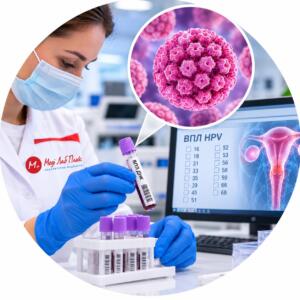
To diagnose cytomegalovirus infection, as well as other infections, an infection panel is used to detect antibodies and viral DNA in blood or other body fluids. Here are some methods that may be included in an infection panel for diagnosing CMV:
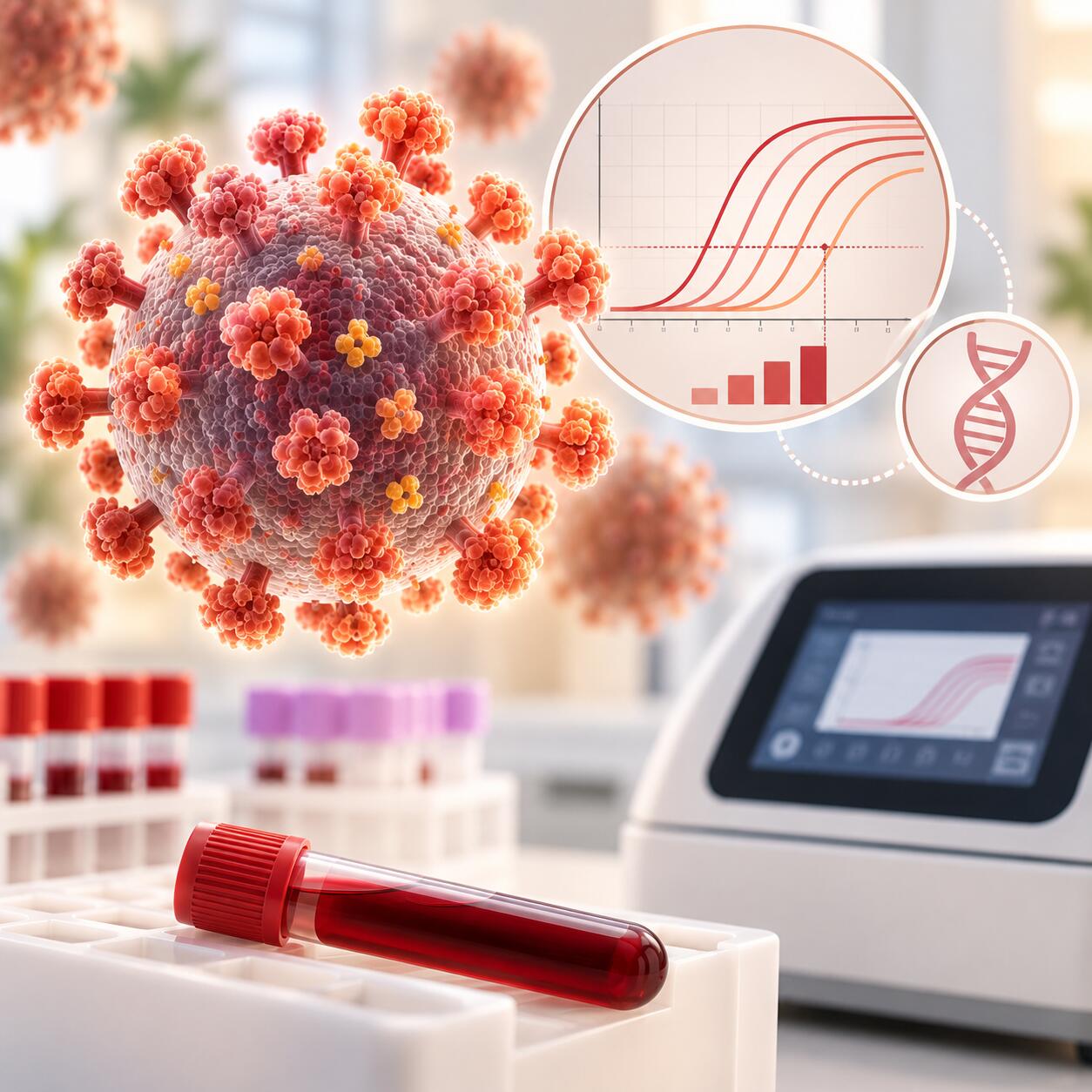
- Polymerase chain reaction (PCR): This method allows the detection of CMV DNA in biological samples. It is very sensitive and can help in the early diagnosis of infection.
- Serological tests: Serological tests detect antibodies to CMV in the blood. These tests can show whether a person has previously been infected with CMV or whether they currently have the infection.
- Virus cultivation: This method involves growing CMV in special cell cultures. It can be used to determine the severity of the infection.
- Immunoblot analysis: This test helps confirm the presence of CMV antibodies and determine their type.
Treatment and prevention:
Treatment for CMV may include antiviral medications such as ganciclovir or valganciclovir. Prevention is important for individuals with risk factors and may include vaccination (if available) and personal hygiene measures to prevent transmission of the virus.
In conclusion, cytomegalovirus infection can be serious for immunocompromised individuals. Diagnosis through an infection panel helps to detect and control this infection in a timely manner to prevent complications and improve the quality of life of patients.
| Execution time | 1 day |
|---|---|
| Type of biomaterial | Material from the conjunctiva of the eye |
Useful tests