Hepatitis B (HBV): PCR (Real-time PCR)
780 UAH
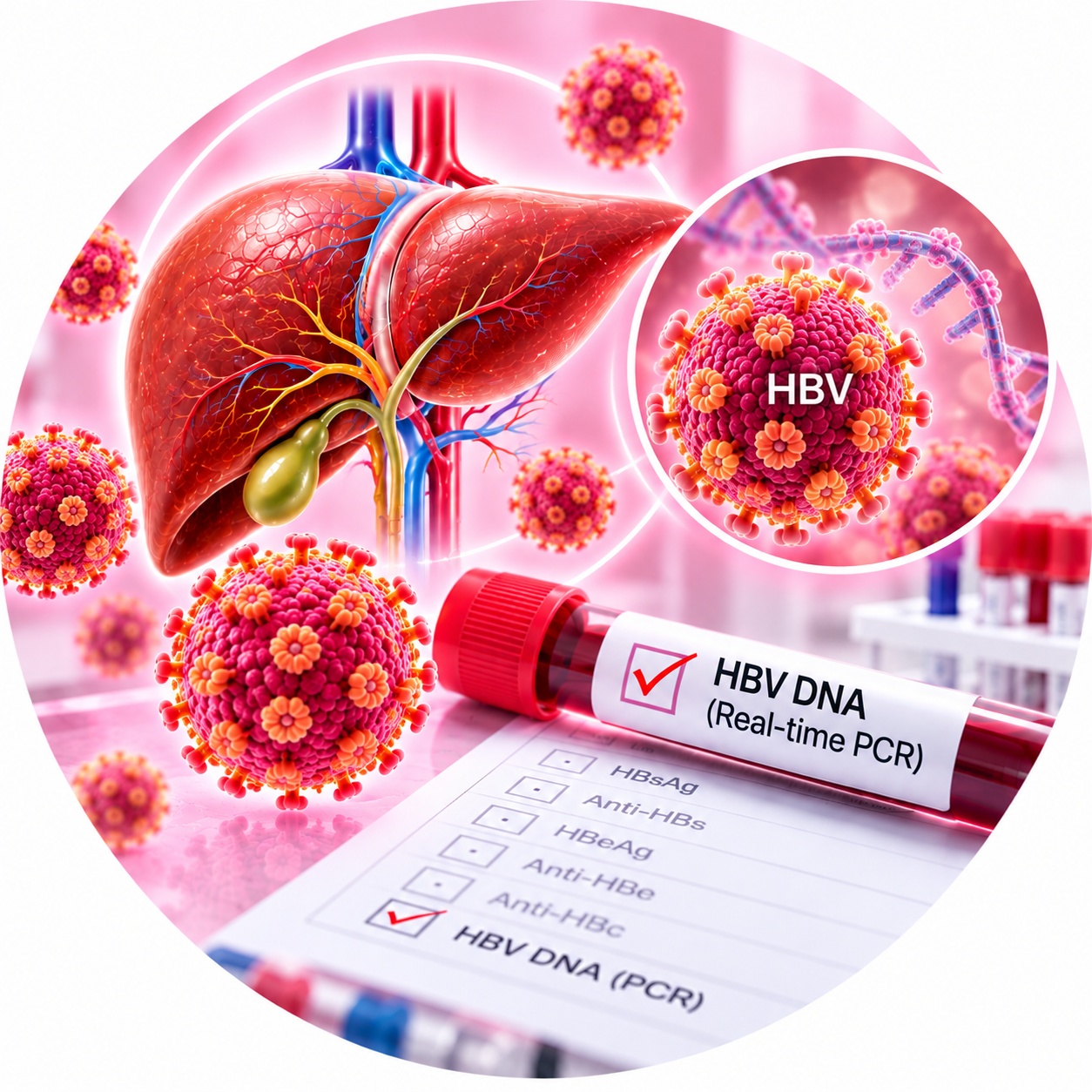
PCR analysis for hepatitis B virus (HBV DNA) using the Real-time PCR method is a molecular genetic study to detect the genetic material of the virus in a biological sample. The quantitative version of the test allows you to determine the viral load, which helps the doctor assess the activity of the infection and monitor the effectiveness of treatment. The qualitative version determines the presence or absence of viral DNA. Specify the type of study and material for analysis in the Medi Lab Plus laboratory.
Qualitative definition
Recommendations:
- Venous blood is donated for PCR testing and PCR genetics.
- Blood is collected on an empty stomach, after an overnight fast, or 8-12 hours after eating.
- On the day of blood donation, it is allowed to drink a small amount of pure water.
- 6-12 hours before the study, stressful situations should be avoided and physical activity should be limited.
- Avoid fatty foods, alcohol, and smoking.
- If possible, medication should be avoided.
- For infants – allow as long a gap between feedings as possible before handing over.
Hepatitis B (HBV) is one of the most common and dangerous infectious diseases affecting the human liver. This viral infection is transmitted through blood and other types of contact and can lead to serious complications, including cirrhosis and liver cancer. For timely diagnosis and treatment of hepatitis B, it is important to use modern laboratory diagnostic methods, in particular polymerase chain reaction (PCR). chain reaction in real time (Real-time PCR) and infection panel.
PCR (Polymerase Chain Reaction) is a molecular research method that allows to determine the presence and quantity of viral DNA or RNA in biological samples. In the case of hepatitis B, RNA-PCR is used, since the virus has an RNA genome. Real-time PCR is a modification of this method that allows to simultaneously amplify and measure the quantity of viral RNA in real time.
To diagnose hepatitis B by PCR, blood or serum from the patient is usually used. Viral RNA from the sample is extracted and converted into complementary DNA using special enzymes called thermostable DNA polymerases. This DNA is then amplified, allowing the presence and amount of viral RNA to be determined.
One of the main advantages of Real-time PCR is that it allows you to determine the amount of viral RNA in real time. This is especially important when monitoring the effectiveness of hepatitis B treatment, as it allows you to detect changes in the concentration of the virus in the patient's body in a timely manner. A decrease in the amount of virus during treatment indicates the success of the therapy.
In addition, the hepatitis infection panel includes other diagnostic methods, such as immunodiagnostics. This helps detect antibodies to the virus, which allows you to confirm the presence or past infection with hepatitis B. Studies may also include other biomarkers that indicate the condition of the liver and the degree of its damage.
A general analysis of the infectious panel helps doctors understand the extent of a patient's hepatitis B infection and choose the optimal treatment plan. If the infection is detected at an early stage, this makes it possible to prescribe antiviral therapy, which can relieve the patient from complications and prevent further spread of the infection.
In conclusion, hepatitis B (HBV) remains a serious threat to human health. The use of modern diagnostic methods, in particular real-time PCR and infectious panel, helps to detect and control the infection in time, which is an important stage in the fight against this disease and its complications. To maintain health, it is important to undergo regular examinations and consult a doctor about the possibility of vaccination against hepatitis B. In addition, it is important to pay attention to educational work to raise awareness about Hepatitis B and its diagnosis, which reduces the risk of virus transmission. Educating the population on ways to prevent infection and early detection of the disease are key aspects in reducing the hepatitis epidemic. Adequate treatment and monitoring of patients ensure improved outcomes and quality of life for individuals infected with the virus.
| Execution time | 1-3 |
|---|---|
| Type of biomaterial | Serum, blood plasma |
Useful tests