
Hepatitis A (HAV): IgM
430 UAH
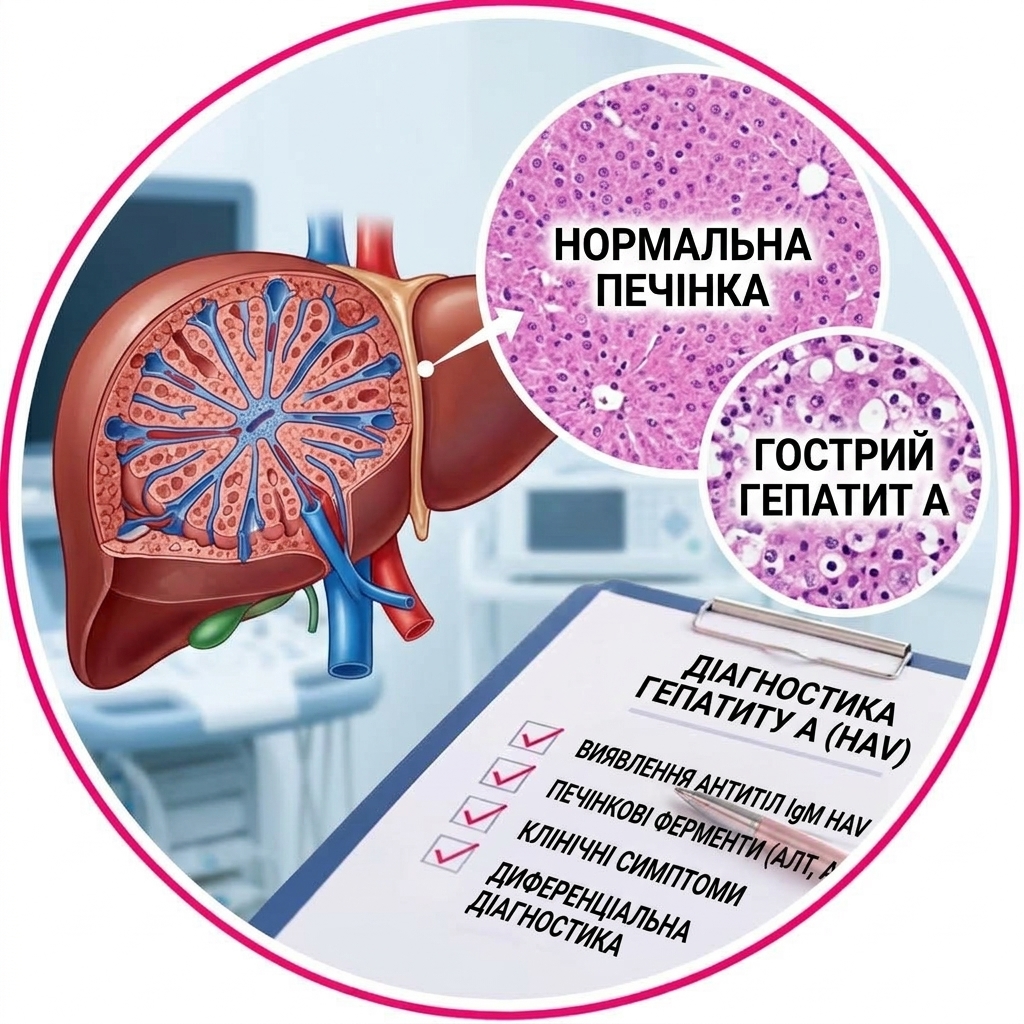
The determination of IgM antibodies to hepatitis A virus (HAV) is the main serological method for detecting the acute form of the disease. The test allows to diagnose the infection in the early stages, even before the appearance of pronounced clinical symptoms and jaundice. The study is also used for differential diagnosis of liver lesions and assessment of the general condition of the hepatobiliary system.
Hepatitis A (HAV) is one of the most common infectious liver diseases worldwide. It is caused by the hepatitis A virus (HAV) and is transmitted mainly through contact with contaminated water or food. Various methods are used to diagnose hepatitis A and determine the stage of infection, one of which is the detection of IgM antibodies to the hepatitis A virus in the blood.
What is HAV and how is it transmitted?
Hepatitis A virus (HAV) belongs to the Picornaviridae family and has a spherical structure. This virus survives in the environment and can remain viable on surfaces of hands, objects and food. The main route of transmission of HAV is fecal-oral contact. The main sources of infection include contaminated water and food, as well as direct contact with a person with hepatitis A.
Symptoms and course of the disease
Symptoms of hepatitis A can range from mild or asymptomatic to severe cases. The main symptoms include:
- Infectious stage: Fever, fatigue, abdominal pain, loss of appetite, muscle aches, nausea and vomiting.
- Jaundice: Jaundice is a characteristic symptom of hepatitis A, indicating liver damage. The skin and eyes may turn yellow, and the urine may become dark.
- Recovery: After the infectious stage, many people with hepatitis A begin to recover, and their livers gradually recover.
- Complications: In some cases, hepatitis A can lead to serious complications, such as liver failure.
Diagnosis of hepatitis A using IgM antibodies
Immunochemical methods are used to diagnose hepatitis A and determine the stage of infection, in particular, the determination of IgM antibodies to the hepatitis A virus in the blood. IgM antibodies usually begin to form in the first 2-4 weeks after infection and remain in the blood for the first month or more. This allows you to establish the activity of the infection and helps in early diagnosis.
After the first month, IgM antibodies decline and are usually low or even negative. At this time, IgG antibodies may be detected, indicating immunity to HAV, but this does not mean that the person is still infectious.
Treatment and prevention of hepatitis A
Treatment of hepatitis A involves symptomatic and supportive therapy. There is no specific antiviral treatment for this infection. The main goal is to relieve symptoms and prevent complications.
Basic prevention includes vaccination against hepatitis A and practicing good hygiene, such as frequent hand washing, drinking safe water, and preparing food.
Conclusion
Hepatitis A is serious An infectious disease that can lead to serious complications. Diagnosis using IgM antibodies helps determine the activity of the infection and take the necessary measures to treat and prevent the spread of the hepatitis A virus.
Prevention is a key aspect in the fight against this infection, and vaccination is considered an effective way to protect against hepatitis A. Therefore, it is important to be careful, follow hygiene rules, and, if necessary, get vaccinated to prevent this dangerous disease.
| Execution time | 1 day |
|---|---|
| Type of biomaterial | Venous blood |
Useful tests