
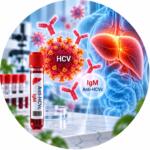
Hepatitis C (HCV): Anti-HCV, IgG and IgM
450 UAH
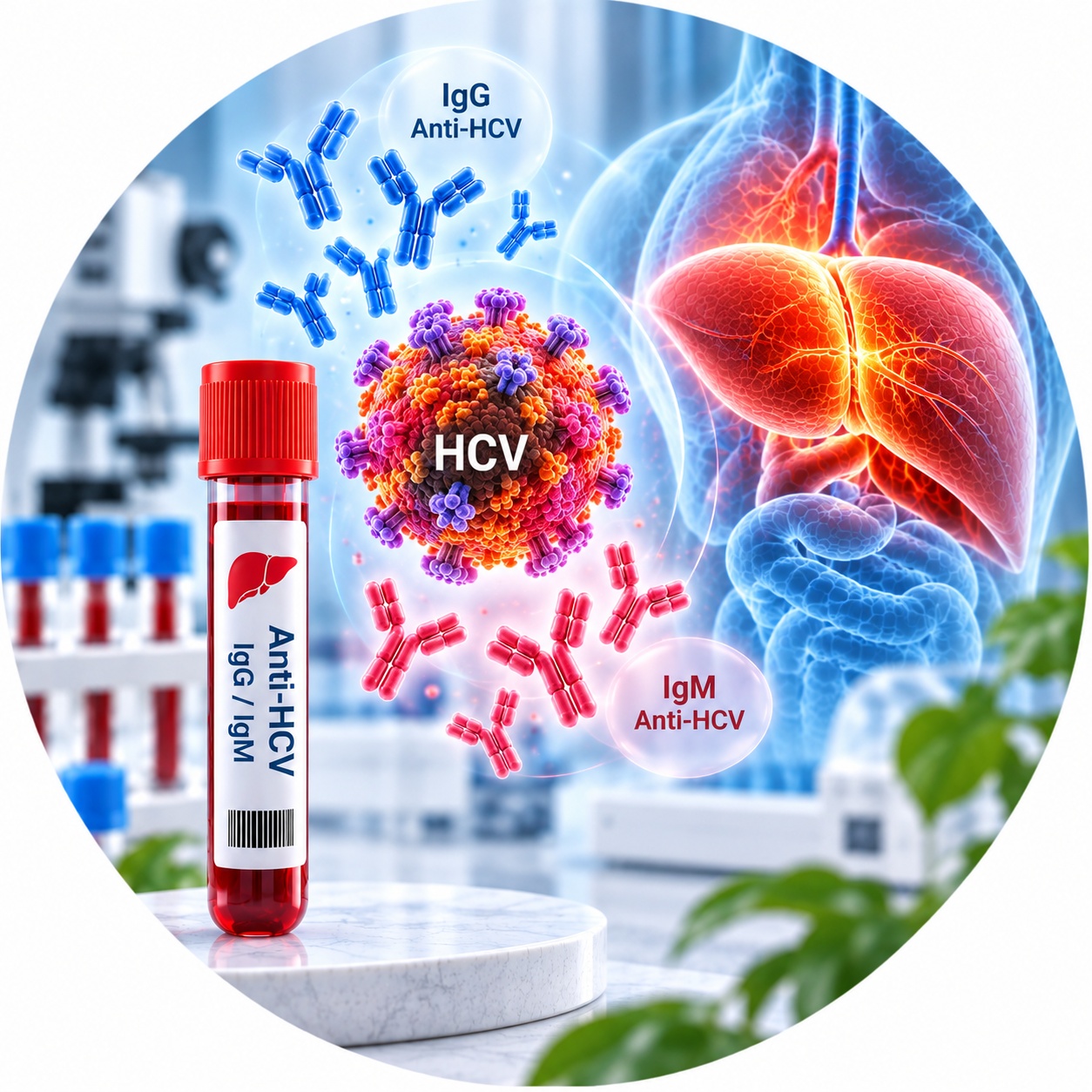
Hepatitis C virus antibody test (Anti-HCV, IgG and IgM) is a laboratory blood test to detect the immune response to HCV. A positive result may indicate a current or past infection, but does not confirm active virus replication. To clarify the diagnosis, the doctor may prescribe a PCR test for HCV RNA. The results are evaluated taking into account the history and other examinations. Please check the conditions for preparation for the test in the Medi Lab Plus laboratory.
Hepatitis C (HCV) is serious infectious disease, which attacks the liver and can lead to serious complications such as cirrhosis and liver cancer. Diagnosis and early treatment of hepatitis C are very important to prevent these complications. To determine the infection HCV and its nature are determined using an infectious panel, which includes tests such as anti-HCV, IgG, and IgM. Let's look at each of these tests separately.
- Anti-HCV test: The anti-HCV test detects the presence of antibodies against the hepatitis C virus in the blood. Antibodies are proteins that the body produces in response to infection. This test helps determine whether a person has ever been infected with HCV. If the test result is positive, it means that the person has antibodies to HCV and may be infected or has ever been infected with the virus. However, a positive result from this test does not indicate active infection, it only confirms contact with the virus in the past.
- IgG test: IgG is a type of immunoglobulin that is produced during infections and remains in the body for a long time. IgG antibodies to HCV indicate a previous infection with the hepatitis C virus. This test helps determine whether a person is protected from further infection with HCV or whether treatment is needed to eliminate the virus from the body.
- IgM test: IgM is an immunoglobulin produced by the body during an active infection. IgM antibodies to HCV indicate an active or recent infection with the virus. This test may indicate that a person is currently infected with HCV and needs treatment.
It is important to remember that the interpretation of test results should be done by a doctor. The doctor evaluates the results of all three tests together, as well as other clinical data, to determine the stage of the infection and the need for treatment. Treatment for hepatitis C may include antiviral drugs that help destroy the virus and prevent further complications.
In conclusion, diagnosis and treatment of hepatitis C are important tasks to maintain liver health and prevent serious complications. An infection panel, which includes anti-HCV, IgG and IgM tests, is an effective tool to detect and evaluate this infection. Regular medical examinations and consultations with a doctor are important to maintain your health and detect hepatitis C in a timely manner. In addition, it is important to pay attention to concomitant hepatitis, such as Hepatitis D and its features, as they can complicate the course of the underlying disease. Timely diagnosis and monitoring of these infections will help avoid serious consequences for liver health. Taking measures for prevention and timely treatment is the key to successful control of these diseases.
| Execution time | 1 day |
|---|---|
| Type of biomaterial | Venous blood |
Useful tests