Epstein-Barr virus – capsid antigen, VCA, IgM
420 UAH
Infection Panel/Infectious Mononucleosis (EBV) Epstein-Barr Virus Infection
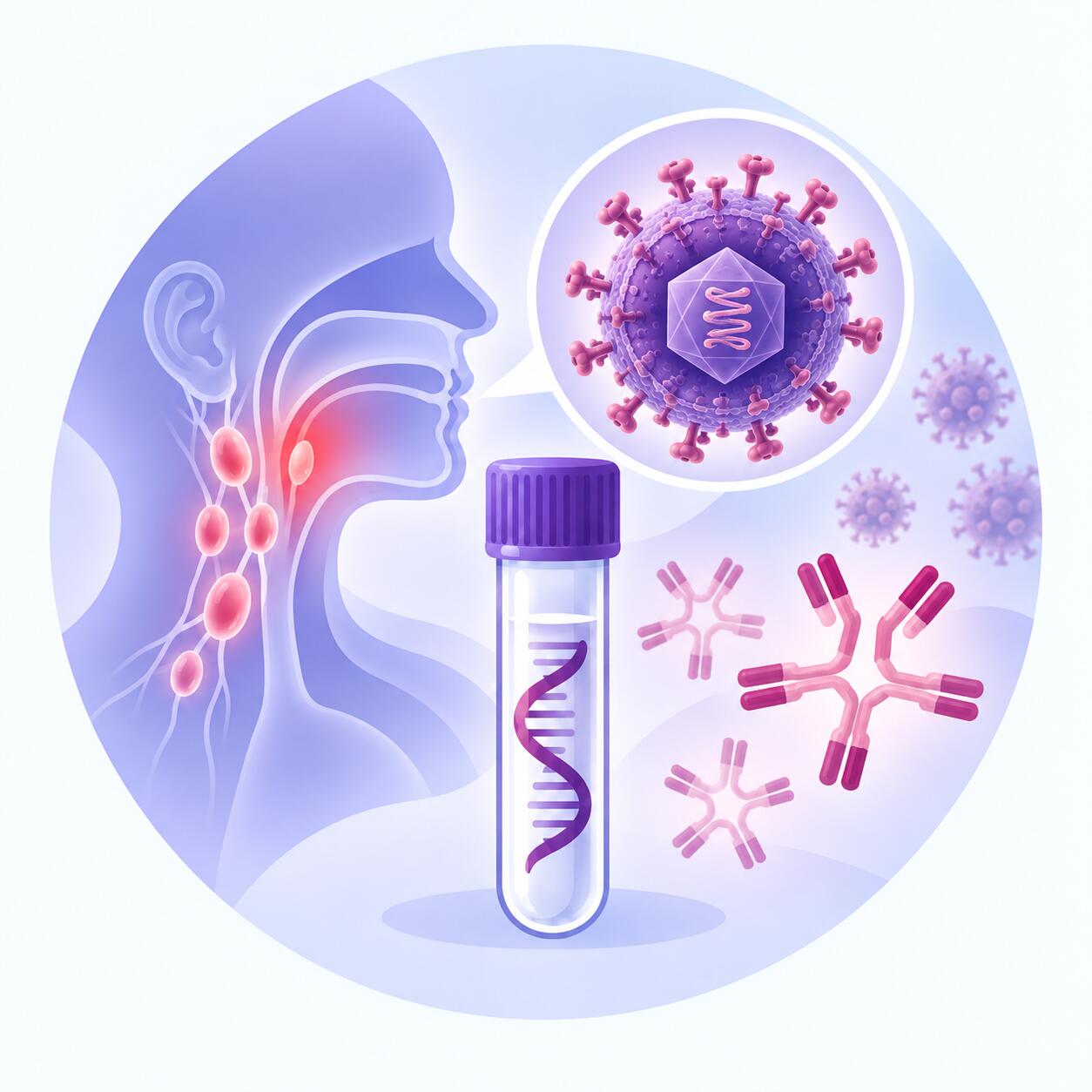
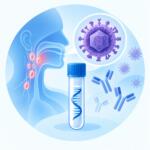
Epstein-Barr virus (EBV) is a virus that belongs to the herpesvirus group. This virus is common worldwide and can cause various diseases, including infectious mononucleosis. One way to diagnose EBV infection is to measure the level of antibodies against the VCA capsid antigen, specifically IgM antibodies.
Infectious mononucleosis is one of the most common infectious diseases caused by EBV. This infection is transmitted through saliva and most often affects adolescents and young adults. The symptoms of mononucleosis can vary greatly, from mild to severe. The main symptoms include fever, sore throat, swollen lymph nodes, general weakness, and fatigue.
To diagnose infectious mononucleosis, your doctor may order an infection panel, including a test for IgM antibodies to the VCA EBV capsid antigen. IgM antibodies usually appear in the blood during active infection, and elevated levels may indicate the presence of EBV infection. Additional tests may also be done to look for other antibodies that indicate the stage of infection. It is important to note the specificity of the antibodies to Epstein-Barr virus and its antigens, as it can help in differentiating infections and confirming the diagnosis. Detection of antibodies in combination with clinical symptoms allows the doctor to make a more accurate decision about the patient's treatment.
This infection panel helps your doctor confirm the diagnosis of infectious mononucleosis and determine the stage of the disease. If mononucleosis is suspected, your doctor may also order other tests, such as a lymphocyte blood test, to confirm the diagnosis.
Treatment for infectious mononucleosis, which is caused by EBV, usually consists of symptomatic therapy. Medications may include painkillers, fever reducers, and a special diet, as the spleen can become enlarged and vulnerable to injury during infection. Supporting the body's immune system is also important.
In general, infectious mononucleosis caused by EBV usually has a good prognosis, and most patients recover completely. However, in some cases, complications such as inflammation of the spleen or liver may occur, which require special treatment and monitoring.
Avoiding contact with saliva and practicing good personal hygiene can help prevent EBV infection. It is also important to avoid sharing eating utensils and personal items with someone who has mononucleosis, as the virus is transmitted through saliva and other secretions.
Thanks to scientists and medical researchers, we understand more about Epstein-Barr virus and infectious mononucleosis, and this helps us more effectively diagnose, treat, and prevent these diseases.
| Execution time | 1 day |
|---|---|
| Type of biomaterial | Venous blood |
Useful tests