Epstein-Barr virus – nuclear antigen, EBNA, IgG
400 UAH
Infection Panel/Infectious Mononucleosis (EBV) Epstein-Barr Virus Infection
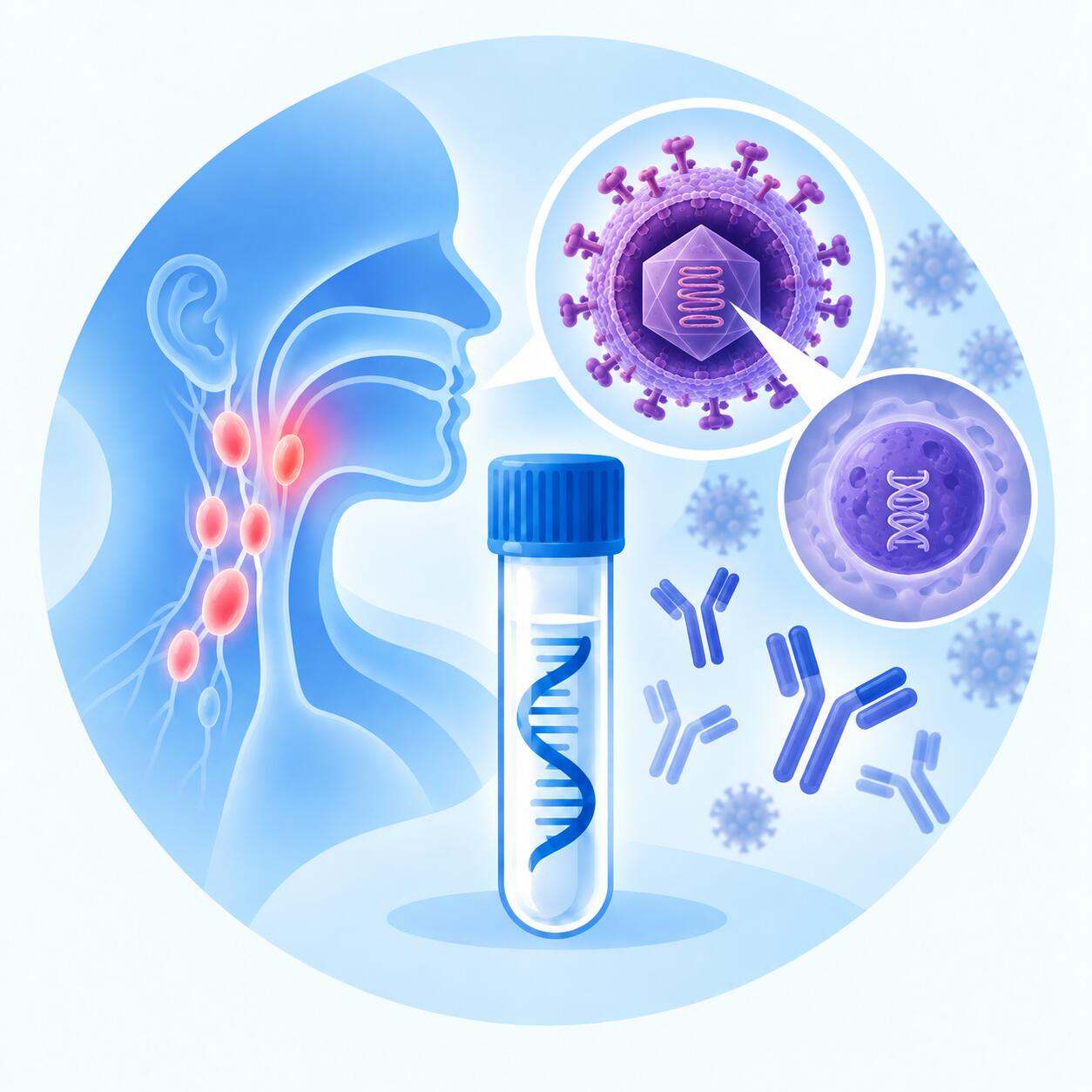
Epstein-Barr virus (EBV), also known as Epstein-Barr virus, is one of the most common viruses in humans. This virus belongs to the herpesvirus family and can cause a number of different diseases, including infectious mononucleosis. EBNA (Epstein-Barr Nuclear Antigens) and IgG infection panel play an important role in the diagnosis and monitoring of Epstein-Barr infection in humans.
Infectious mononucleosis (IM) is an acute viral infection, usually transmitted through saliva, caused by the Epstein-Barr virus. This infection is often known as the “kissing disease” because the virus can be transmitted through kissing and sharing utensils or objects with an infected person.
Infectious mononucleosis has a number of characteristic symptoms, such as general weakness, high fever, sore throat, inflammation of the lymph nodes and liver. Sometimes this disease can lead to serious complications, such as tumors and abscesses of the liver.
Various laboratory methods are used to diagnose infectious mononucleosis and determine the stage of the infection, including the determination of antibodies. One way to detect the infection and determine the stage of its development is to use an IgG infection panel, which includes IgG antibodies to various components of the Epstein-Barr virus, including its nuclear antigens (EBNA).
IgG antibodies are IgG class antibodies that are formed in the body after interaction with a virus or bacteria. They are part of the body's immunity and play an important role in fighting infections. In the case of Epstein-Barr virus, IgG antibodies develop after an infection and remain in the body for a long period of time.
Ignoring the timing of diagnosis and monitoring of infectious mononucleosis can lead to serious complications, especially in individuals with weakened immune systems. It is also important to consider that Epstein-Barr virus may be associated with the development of other diseases, such as lymphomas and nasopharyngeal cancer.
In preventing Epstein-Barr virus infection, it is important to maintain personal hygiene and avoid contact with infected individuals, especially during the period of active symptoms of the infection. There is no vaccination against this virus, so it is important to keep the body's immune system healthy and follow preventive measures.
In conclusion, Epstein-Barr virus and the infectious mononucleosis it causes are a serious medical problem. Diagnosis and monitoring of infection using IgG infection panels and other methods play an important role in the treatment and control of this disease. Maintain personal hygiene and consult a doctor at the slightest suspicion of infection to ensure your health is safe.
| Execution time | 1 day |
|---|---|
| Type of biomaterial | Venous blood |
Useful tests