Epstein-Barr virus – capsid antigen, VCA, IgG
360 UAH
Infection Panel/Infectious Mononucleosis (EBV) Epstein-Barr Virus Infection
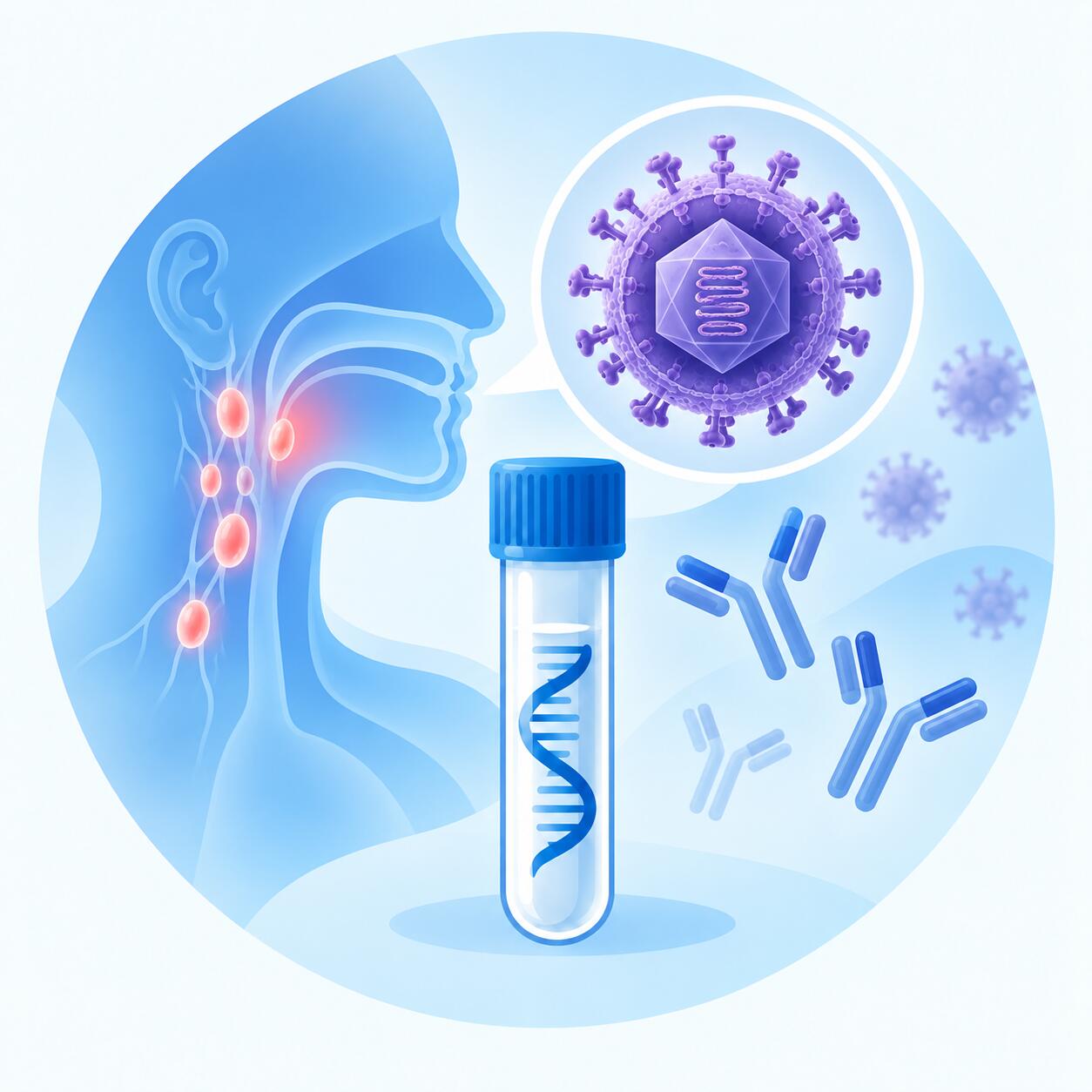
Epstein-Barr virus (EBV), also known as capsid antigen VCA (viral capsid antigen) IgG, is one of the key agents causing infectious mononucleosis. This viral infection belongs to the herpesvirus family and can cause various diseases, including infectious mononucleosis, and is also associated with some cancers.
VCA IgG capsid antigen is one of the biomarkers used in immunoassays to diagnose and stage EBV infection. Let’s look at the details of this infection panel and infectious mononucleosis.
Infectious mononucleosis (IM) is a disease that usually occurs in adolescents and young adults, sometimes called the “disease of the fully liberated” or the “kissing disease” because the virus is often transmitted through saliva. The main symptoms of IM are general weakness, high fever, sore throat, and enlarged lymph nodes. It is sometimes accompanied by heartburn and rash. These symptoms can last from several weeks to months.
VCA capsid antigen IgG is an antibody that the body produces in response to EBV infection. IgG is a class of immunoglobulins that usually appears during the later stages of infection and remains in the body for a long time, sometimes even after recovery. Measuring the level of IgG to VCA capsid antigen helps doctors: It allows you to assess whether you have previously had an infection and also helps to establish the stage of the disease. Measuring antibodies to Epstein-Barr virus and VCA antigen can be useful in diagnosing mononucleosis and other EBV-related diseases. In addition, high IgG levels may indicate chronic infection or reactivation of the virus.
- Diagnose infectious mononucleosis: Elevated levels of IgG to VCA indicate contact with the virus.
- Determine the stage of infection: Serial tests can determine whether IgG levels are rising or falling, which helps determine the stage of infection.
- Monitor immunity: High levels of IgG to VCA may indicate the presence of persistent immunity to EBV.
It is important to note that elevated IgG levels to the VCA capsid antigen do not always indicate active infection. They can persist in the body for a long time after infection and do not necessarily signal the presence of the disease. For an accurate diagnosis, the doctor may consider other clinical and laboratory indicators.
Treatment for infectious mononucleosis caused by EBV usually consists of symptomatic therapy, such as taking antibiotics to treat concomitant bacterial infections, taking anti-inflammatory drugs to reduce pain and fever, and rest and proper care.
In the vast majority of cases, infectious mononucleosis is diagnosed and successfully treated. However, EBV can leave a long-lasting immune response in the body, and in some cases is associated with the development of other diseases, such as lymphoproliferative diseases and diseases of the immune system. Therefore, it is important to receive regular medical diagnosis and advice in case of suspected serious complications.
In conclusion, VCA IgG capsid antigen is an important immunological indicator for the diagnosis and staging of EBV infection, particularly infectious mononucleosis. However, for the complete diagnosis and treatment of infectious mononucleosis, it is important to conduct a comprehensive clinical examination and maintain contact with a physician for effective management of this infection and its consequences.
| Execution time | 1 day |
|---|---|
| Type of biomaterial | Venous blood |
Useful tests