


Posts by Medilab An

Artificial Intelligence in Medicine: How Technology is Changing the Healthcare System

Life-saving technologies Medicine has always developed thanks to new discoveries, but it is artificial intelligence that today opens up fundamentally new opportunities. Computer algorithms already help doctors make more accurate diagnoses, automate processes in hospitals and even predict diseases before the first symptoms appear. Systems based on artificial intelligence do not replace doctors, but they significantly improve their work. They quickly analyze large data sets, reveal hidden patterns and allow for personalized treatment. This is not the future - it is a reality that is already changing medicine. How artificial intelligence is used in medicine Diagnosis of diseases Artificial intelligence allows you to analyze the results of medical research with high accuracy. It is used in the following areas: automated analysis of X-ray, computer and magnetic resonance imaging (MRI) scans detection of cancer in its early stages DNA analysis to determine genetic risks processing of laboratory tests for more accurate diagnosis Artificial intelligence systems can quickly analyze hundreds of thousands of medical images and identify pathologies that are difficult for humans to detect....
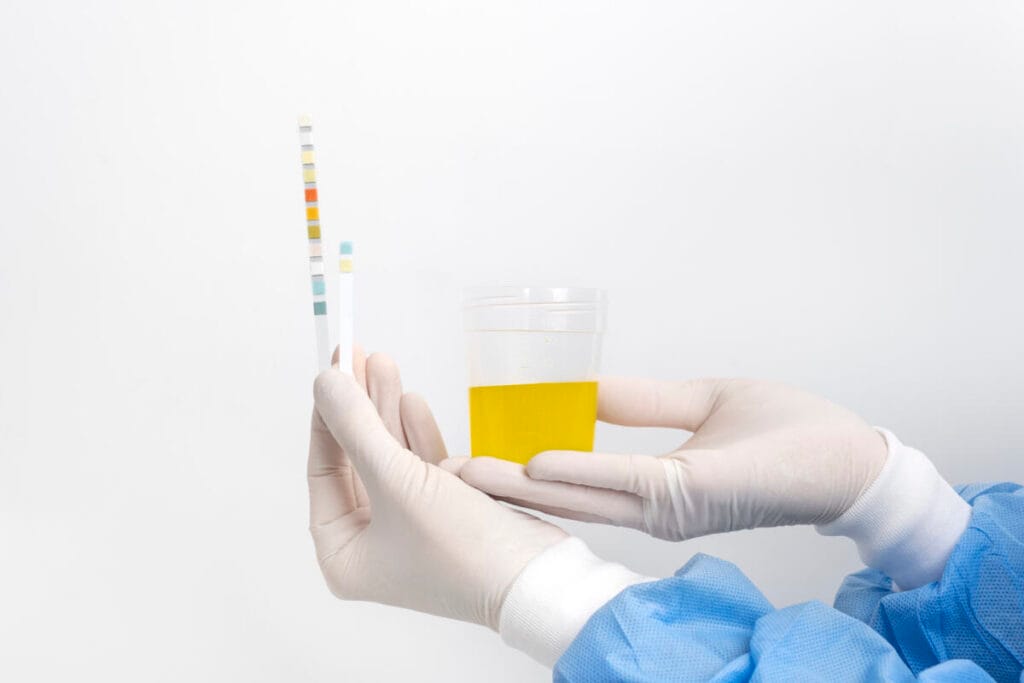
Urine analysis: how to prepare, what indicators are evaluated and what can affect the results
The importance of urine analysis for health Urine analysis is one of the simplest and most informative ways to assess kidney function, metabolism, and the general condition of the body. This test is used both for routine medical examinations and for diagnosing diseases, ranging from urinary tract infections to disorders in the functioning of internal organs. Laboratory urine analysis can show even minor changes in the body, which makes it an important tool for early detection of pathologies. Proper preparation for the test and following the recommendations for collecting material help to obtain reliable results. Main types of urine analysis and their significance General urine analysis This is a basic test that evaluates the physicochemical properties of urine, its composition, and the presence of pathological inclusions. What is assessed in a general urine analysis: Color and transparency - changes may indicate dehydration, kidney or biliary tract pathology. pH level - shows acid-base balance and may indicate a tendency to stone formation. Specific gravity...

Molecular diagnostics: accuracy, speed and new possibilities in medicine
New generation medicine What if doctors could determine your predisposition to certain diseases even before the first symptoms appear? Or choose the most effective treatment method, taking into account the unique characteristics of your body? Thanks to molecular diagnostics, this is no longer fiction, but reality. Modern molecular testing methods allow doctors to detect even the smallest changes in the structure of DNA, analyze genetic risks, find hidden infections and quickly determine the causes of diseases. The high accuracy and speed of these methods open up new opportunities in the prevention and treatment of many diseases. What is molecular diagnostics and how does it work? Molecular diagnostics is a section of laboratory medicine that examines genetic material (DNA, RNA) and protein molecules to detect various diseases and pathological processes in the body. Unlike traditional diagnostic methods that assess the general condition of the body or its response to infections, molecular methods work at the level of the genetic code, which allows you to identify problems even before symptoms appear. The main...
Cortisol in urine: meaning, norms, causes of deviations and real examples
How cortisol levels affect health Cortisol is the main stress hormone that helps the body adapt to external challenges, regulates glucose levels, maintains blood pressure, and controls metabolism. However, an excess or deficiency of cortisol can cause serious disruptions in the body's functioning. A urine cortisol analysis allows you to assess how the adrenal glands produce this hormone throughout the day. Unlike a blood test, this test gives a more objective picture of the hormone level, as it excludes temporary fluctuations associated with stressful situations. What does a urine cortisol analysis show? The test helps determine: Are the adrenal glands overactive? - this may indicate Cushing's syndrome or chronic stress. Is cortisol not produced in sufficient quantities? - this situation is observed in Addison's disease. What is the level of cortisol in depression or chronic fatigue? - the analysis allows you to assess how the body reacts to stressful loads. Real examples of the effect of cortisol on the body Example 1:...

Total IgE: what it is, the norm, causes of deviations and diagnostic methods
Immunity and its relationship with allergies Have you ever wondered why some people walk calmly during the flowering season, while others suffer from a constant runny nose and itchy eyes? Why can the same product be safe for one person, but cause a serious allergic reaction in another? The answer lies in the functioning of the immune system and the levels of immunoglobulins, in particular IgE. Immunoglobulins E (IgE) are special proteins that are responsible for allergic reactions and the body's immune response to certain stimuli. Elevated levels of this antibody may indicate a predisposition to allergies, asthma, or even parasitic infections. A total IgE test is an important tool for assessing the state of the immune system and finding the causes of incomprehensible symptoms. What does a total IgE test show? A total IgE test determines the concentration of this antibody in the blood and is used to assess the level of immune activity of the body. This test helps to identify: A predisposition to allergies (pollen,...

Vitamin B12 levels: why check, what deviations mean and how to restore balance
Why is it important to monitor vitamin B12 levels? Vitamin B12 (cyanocobalamin) is a vital trace element that affects the functioning of the nervous system, blood formation, metabolism and even mood. Despite the fact that the body needs it in relatively small quantities, a deficiency of this vitamin can lead to serious disorders - from chronic fatigue to anemia and neurological disorders. It is especially important to monitor B12 levels in people who follow a vegetarian or vegan diet, have problems with the gastrointestinal tract, as well as in elderly patients. Determining the level of vitamin B12 in the blood allows you to detect a deficiency in time and prevent its complications. What functions does vitamin B12 perform in the body? Stimulates the formation of red blood cells - participates in the synthesis of DNA in bone marrow cells. Supports the health of the nervous system - is necessary for the formation of the myelin sheath of nerve fibers. Regulates metabolism - participates in the conversion of proteins, fats and carbohydrates. Supports the psycho-emotional state...

Blood test for cancer: what you should know about modern diagnostics
When alarming symptoms cannot be ignored Feelings of constant fatigue, rapid weight loss, unexplained pain or bleeding can be signs of various conditions - from ordinary fatigue to serious chronic diseases. But when these symptoms are systemic in nature, one of the first steps is to see a doctor and take tests, in particular a blood test for oncology. Although this test does not provide a definitive diagnosis, it allows you to identify potential abnormalities that require further examination. Blood tests are often the first clue that something unusual is happening in the body. What is the essence of a blood test when cancer is suspected A blood test for cancer processes is not one test - it is a complex of laboratory tests that assess the general condition of the body, organ function, as well as the presence of specific proteins (tumor markers) secreted by tumor cells. At the stage of primary diagnosis, the most informative are: Detailed general blood test Biochemical blood test Tests for tumor markers These studies can give the doctor...

When is it better to donate blood: recommendations for accurate results
Why the time of blood sampling matters Blood is not just a biological fluid. Its composition is constantly changing under the influence of nutrition, physical activity, hormonal background, stress and even the time of day. That is why the answer to the question "when is it better to donate blood" directly affects the reliability of the test results. If you want to get an objective picture of your health, it is important not only to follow a diet before the test, but also to choose the right time of day for donating blood, taking into account the characteristics of each type of study. The optimal time for donating blood is in the morning In most cases, doctors recommend donating blood in the morning, from 7:00 to 10:00. It is during this period that the body is in a stable physiological state after a night's rest. Advantages of morning blood sampling: a person is in a fasting state, the hormonal background is maximally "balanced", the influence of external factors (food, exercise, stress) is minimal. What tests must be taken on an empty stomach in the morning? Complete blood count (CBC) Biochemical blood test (glucose, cholesterol, bilirubin,...

Intestinal microflora: role in health, methods of diagnosis and recovery
Why is everyone talking about intestinal microflora? In recent years, the topic of intestinal microflora has gained popularity not only among doctors, but also among people who care about their health. And for good reason: the intestine is not just an organ of digestion. Its walls contain up to 70% immune cells, and the microflora itself performs dozens of critically important functions: from vitamin synthesis to mood regulation. When the balance of microorganisms is disturbed, this can affect immunity, metabolism, psycho-emotional state and general well-being. Therefore, diagnostics and maintenance of healthy microflora is an important direction of modern medicine. What is intestinal microflora? Intestinal microflora is a collection of microorganisms that live in the gastrointestinal tract. A healthy person has more than 500–1000 species of bacteria, the total mass of which can reach 1.5–2 kg. Microflora is divided into: Beneficial (lacto- and bifidobacteria, enterococci) Conditionally pathogenic (klebsiella, enterobacteria, staphylococci) Pathogenic (salmonella, shigella, clostridia) In a healthy intestine, these groups are in balance. But...

PCR test for STIs: accurate diagnosis of hidden infections
Why PCR is more than just an analysis Sexually transmitted infections (STIs) can go undetected for years. Often, a person does not feel any discomfort, but the infection is already destroying the body from the inside or is transmitted to others. Therefore, timely diagnosis is critically important. One of the most effective ways to detect such diseases is the PCR test (polymerase chain reaction). It detects the DNA or RNA of the pathogen, even if it is present in microscopic quantities. This makes the PCR test the gold standard for modern STI diagnostics. What does the PCR test for STIs detect? The method is suitable for detecting a wide range of pathogens, including: Chlamydia trachomatis — chlamydia Neisseria gonorrhoeae — gonorrhea Mycoplasma genitalium / hominis — mycoplasmosis Ureaplasma urealyticum / parvum — ureaplasmosis Trichomonas vaginalis — trichomoniasis Herpes simplex virus 1/2 — genital herpes HPV (human papillomavirus) CMV (cytomegalovirus) HIV, hepatitis B and C — in expanded panels Real examples from practice Example 1. Asymptomatic...
