
Fasting blood test: why it's important and how to prepare

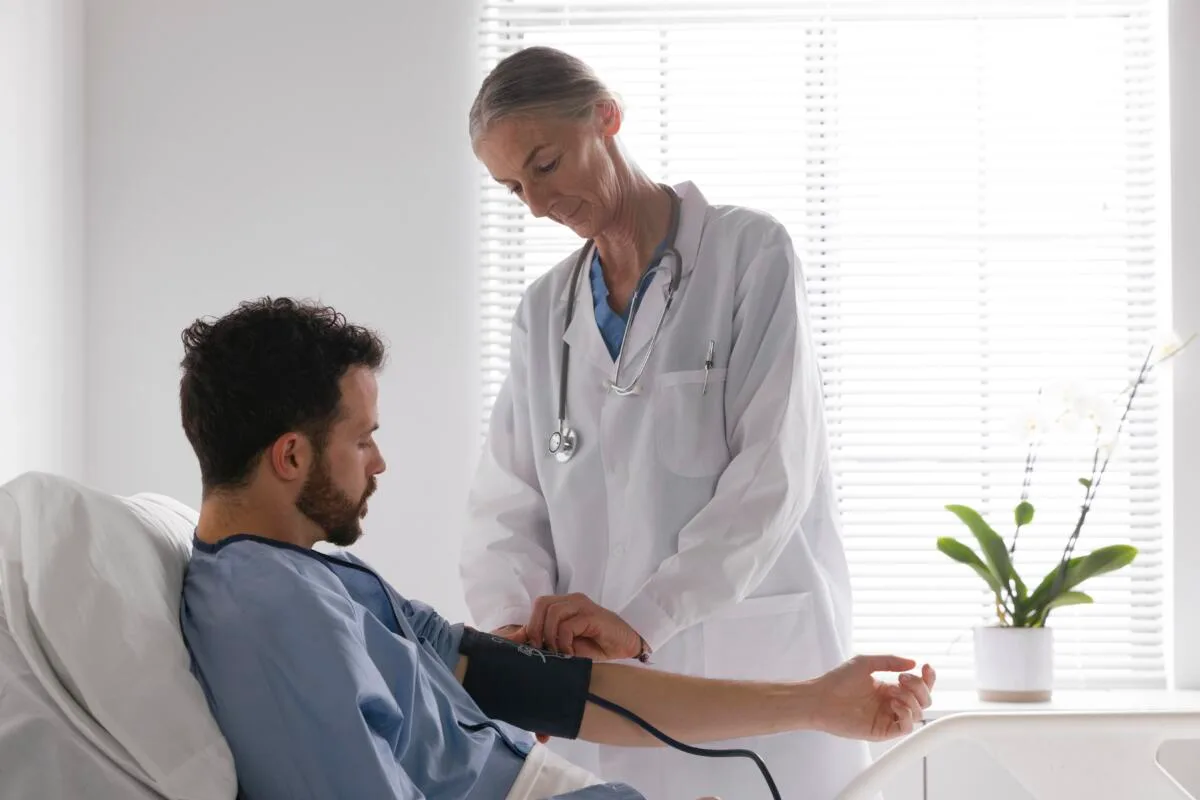
Laboratory tests play a key role in diagnosing and monitoring health. One of the most common tests is a blood test, which helps detect a wide range of diseases and assess the functioning of various organs and systems. In many cases, doctors recommend taking tests on an empty stomach. This is necessary to obtain accurate results, since food intake can affect the chemistry of the blood.
Why should you take a blood test on an empty stomach?
Fasting means that you must abstain from eating for a period of time, usually 8 to 12 hours, before taking the test. Food and drink can affect the composition of your blood, changing the concentration of certain substances and distorting the test results.
To get a complete picture of your health, it is also recommended to undergo complete blood count on an automatic analyzer, which allows you to assess all basic blood parameters.
Glucose levels are one of the main indicators that can change under the influence of food intake. If a person has eaten something before the analysis, the sugar level may increase, which will lead to inaccurate data, especially when diagnosing diabetes.
Dietary fat also affects results, especially when determining a lipid profile. Eating a fatty meal before the test can increase cholesterol and triglyceride levels, making it difficult to accurately assess cardiovascular risk.
Some hormones are sensitive to food intake, so hormone profile tests are often performed in the morning and on an empty stomach. This applies, for example, to tests for insulin, cortisol, testosterone, and thyroid-stimulating hormone.
Proteins and enzymes contained in food can temporarily change the concentration of certain compounds in the blood, which affects the results of biochemical tests.
What blood tests should be done on an empty stomach?
Most biochemical and hematological studies require prior fasting.
| Analysis type | Why fasting is necessary | Recommended time without food |
|---|---|---|
| Complete blood count (CBC) | Food can change white blood cell count and glucose levels | 8 hours |
| Glucose level analysis | Food raises blood sugar levels | 8-10 hours |
| Lipid profile (cholesterol, triglycerides) | Fats from food can distort the readings | 12-14 hours |
| Biochemical blood test | Food affects the concentration of proteins, enzymes, and electrolytes | 10-12 hours |
| Hormone analysis (insulin, cortisol, TSH) | Food changes the levels of some hormones | 8-12 hours |


What you can and can't do before the test
To ensure that the research results are as accurate as possible, it is important to follow the basic preparation rules.
It is allowed to drink pure water without gas, but in moderation. Unless otherwise instructed by the doctor, you should not take medications before the test, especially if they may affect glucose or hormone levels.
You should avoid eating any food before the test. It is important not to drink tea, coffee, juices or alcohol, as these beverages can affect the biochemical composition of the blood.
Physical activity can temporarily alter the levels of some indicators, including glucose and cortisol, so it is important to avoid intense exercise the day before the test.
Smoking before the test can affect hormone, glucose, and lipid levels, so it is recommended to refrain from smoking at least 2-3 hours before the procedure.
Is it necessary to retake the analysis if the fasting rules were not followed?
If you have not fasted before the test, this can affect the results. For example, if a person eats before a cholesterol or glucose test, the readings may be higher. In this case, your doctor may recommend a repeat test or take this into account when interpreting the results.
If a training violation occurs accidentally, it is important to notify your doctor to avoid misdiagnosis or unnecessary treatment.
When can you take a blood test without fasting?
Not all tests require strict fasting. Some tests can be taken at any time of day, regardless of food intake.
The glycated hemoglobin test, which assesses blood glucose levels over the past few months, is independent of food intake. The test for vitamin and mineral levels (e.g. vitamin D, B12, folic acid) usually does not require fasting.
Antibody tests for infections (such as COVID-19 or HIV) can also be taken regardless of food intake.
However, even in cases where fasting is not mandatory, it is advisable to avoid fatty or very sweet foods before the test, as they may temporarily affect blood composition.
Following the rules of preparation before taking a blood test helps to obtain the most accurate results, which is important for correct diagnosis and effective treatment. Nutrition, physical activity, and even drinks can affect the level of many indicators, so you should carefully follow your doctor's recommendations before the test.

Director of Medi Lab Plus LLC, a doctor of the highest category. Has over 45 years of practical experience in medicine and laboratory diagnostics. Founder and head of the laboratory since 2007. More details…