


Medilab+
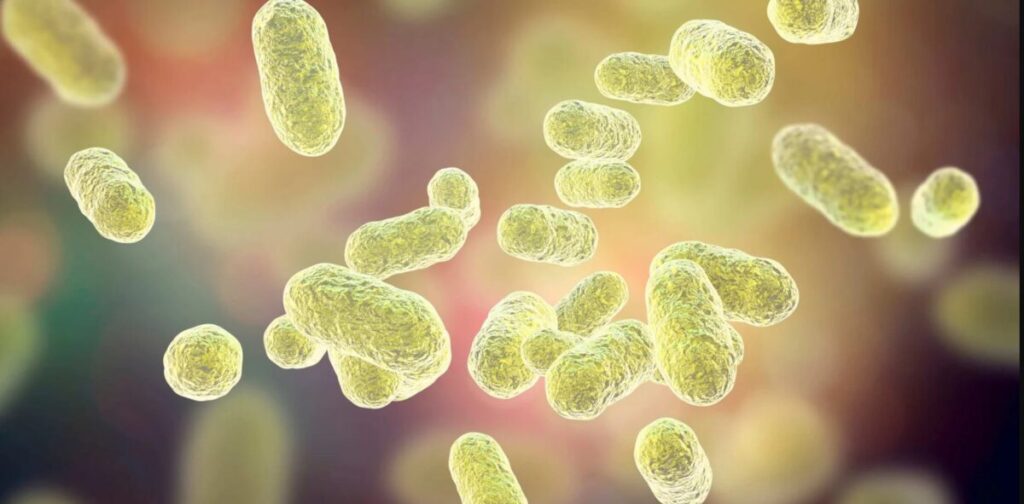
Microbiome and skin: how microorganisms affect our health

The microbiome is the collection of microorganisms that inhabit different parts of the human body. While we often hear about the gut microbiome, the microbiome...

Diet and vitamins: how to choose the right diet and avoid deficiency
Today, more and more people are thinking about how nutrition affects their health. A proper diet can be a source of energy, support...
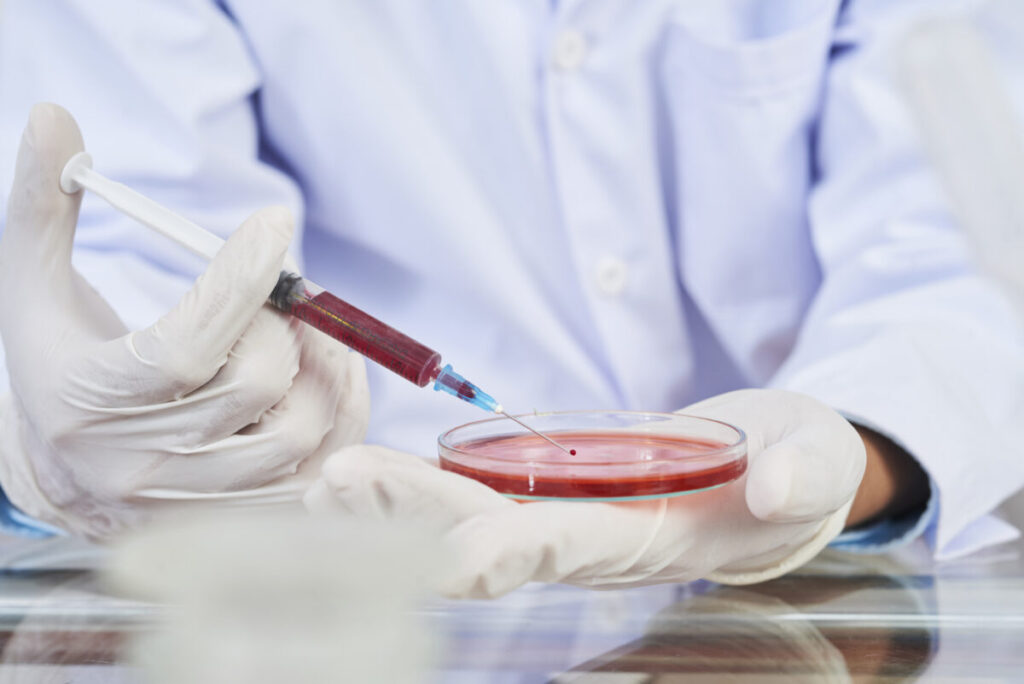
Iron analysis: why is it needed and what does it show?
Iron is one of the most important trace elements for life. It is responsible for oxygen transport, participates in the synthesis of hormones and...
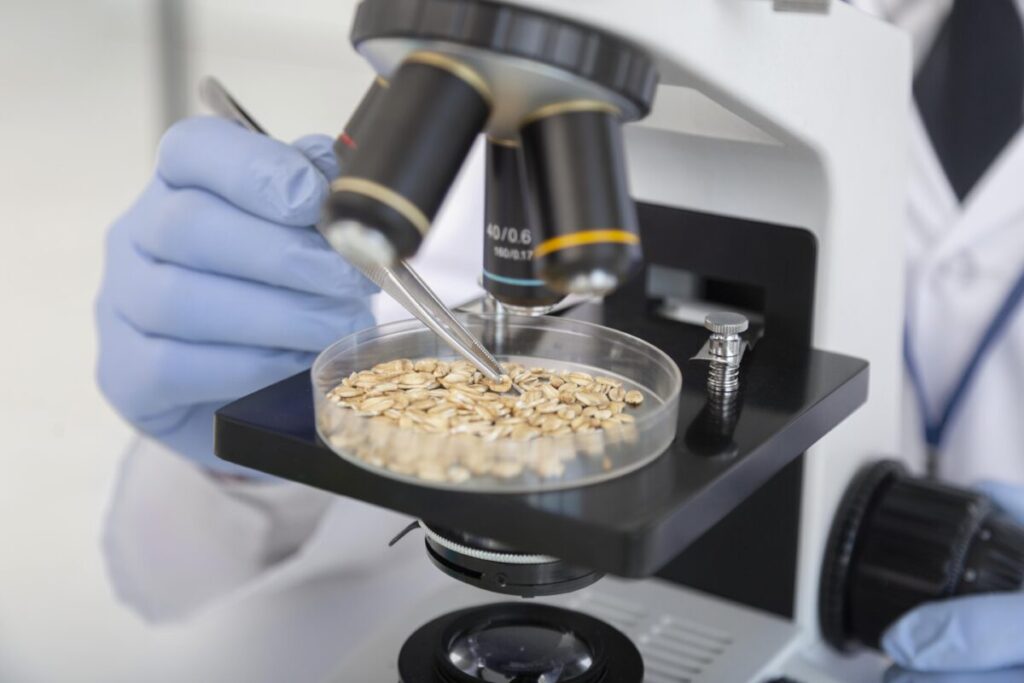
Food intolerance blood test: what you need to know
More and more people are experiencing problems after consuming certain foods: bloating, rashes, headaches, or general weakness. Often, these...

Diagnosis of gardnerellosis: modern methods and approaches
Gardnerellosis, or bacterial vaginosis, is a condition in which the balance of the vaginal microflora is disrupted, and instead of lactobacilli, opportunistic microorganisms dominate, in particular...
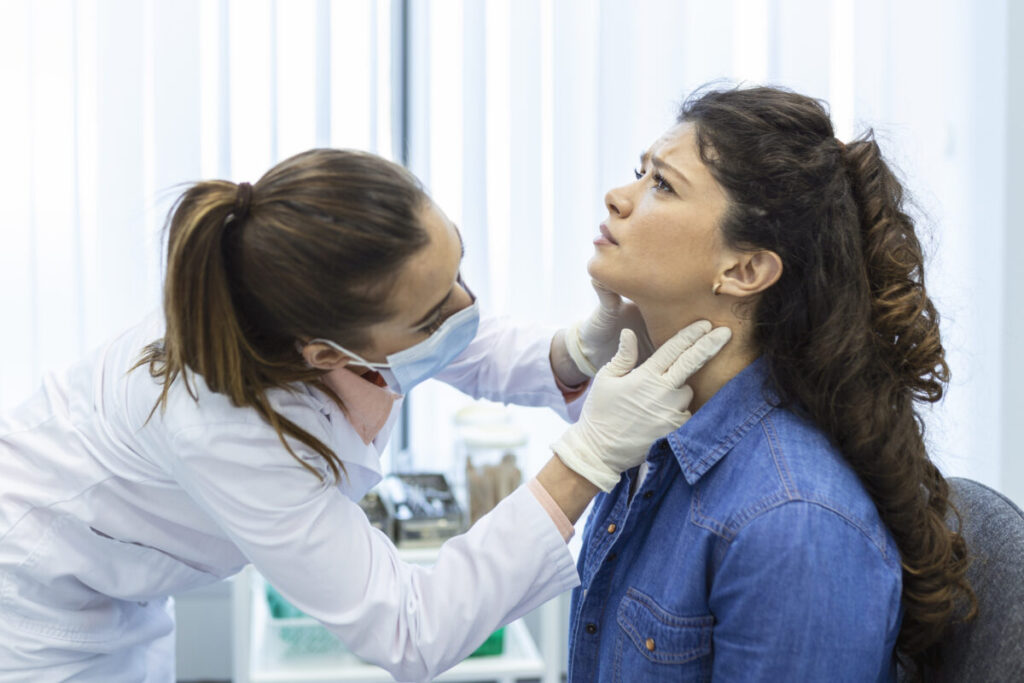
Thyroid cancer tests

Imagine a small organ weighing only 20–25 grams that controls your energy level, mood, and even your heart rate every day. It...

Vitamin E Level: Health Importance, Diagnosis, and Prevention
Vitamin E, also known as tocopherol, belongs to a group of fat-soluble antioxidants that protect cells from damage by free radicals. Its role...

Food intolerance: from scientific discoveries to everyday life
How the concept of food intolerance emerged A few decades ago, any negative reaction to foods was automatically considered an allergy. It was only in the 1960s and 1970s that...
Cortisol and obesity: how the stress hormone affects weight
Why do some people gain weight quickly even with a relatively small calorie surplus, while others remain slim despite more...
