


Medilab+

Anaphylaxis: How to recognize and act in the event of a dangerous reaction

Imagine: you ate a regular food or took a regular medicine, but suddenly you experience severe difficulty breathing, dizziness, or redness of the skin. This can...

Hepatitis D: what is it, who needs the test and what are the indications for it?

Hepatitis D is an infectious disease caused by the Hepatitis D Virus (HDV). This virus is unique in that it is unable to...
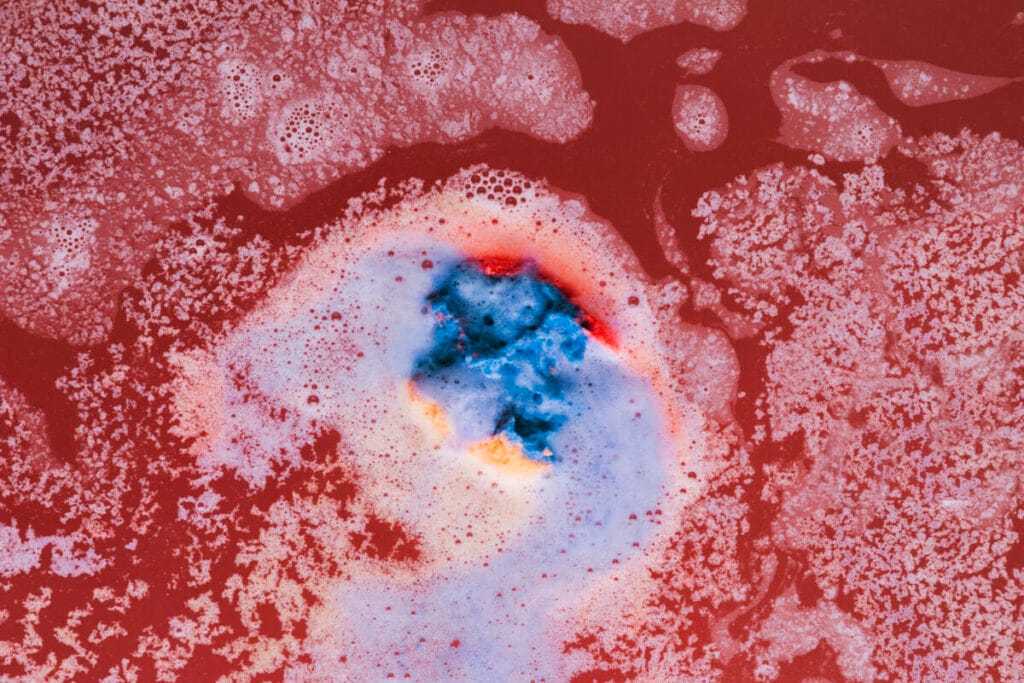
Diagnosis of chromosomal disorders: modern approaches and possibilities
Chromosomes are structured complexes of DNA that contain genetic information about our body. Normally, each person has 46 chromosomes...

What is hogweed, how is it dangerous and why do you need to get tested after contact?
Hogweed is a plant that has become a real environmental problem in Ukraine in recent years. Invading fields, roadsides, and homesteads, hogweed...

Vitamin deficiency: why does the body lack the simplest thing?
Vitamins are not just "health supplements," as is often believed. They are micronutrients that support immunity, heart function, brain function, and...

Helicobacter pylori: what is it, who needs the test and what are the indications for it?
Helicobacter pylori is a bacterium that can colonize the mucous membrane of the human stomach and become the main cause of the development of chronic digestive diseases...

Celiac disease: what is it, who needs genetic testing and why is it done?
Celiac disease is a chronic disease of the small intestine caused by intolerance to gluten, a protein found in wheat, rye, and barley. In...
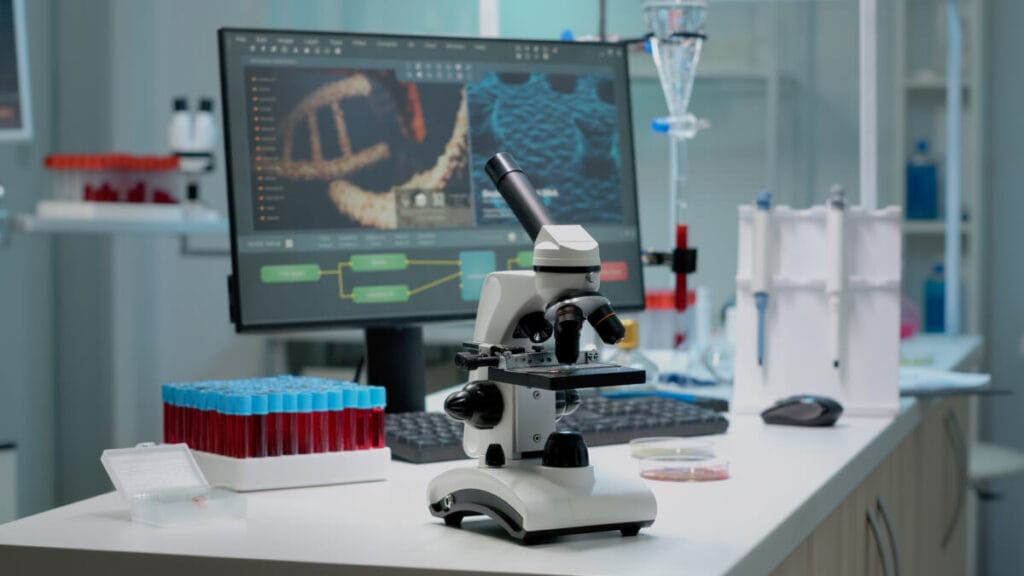
Laser spectroscopy: how light helps us see the invisible
Imagine looking at a drop of water. It appears transparent, but inside it may be metal impurities, pesticide residues, or...

Electrochemical sensors: precision chemistry that sees the invisible
Electrochemical sensors have become an integral part of modern medicine, ecology, the food industry, and even security. They allow you to detect the smallest concentrations of substances in...
