


Medilab+
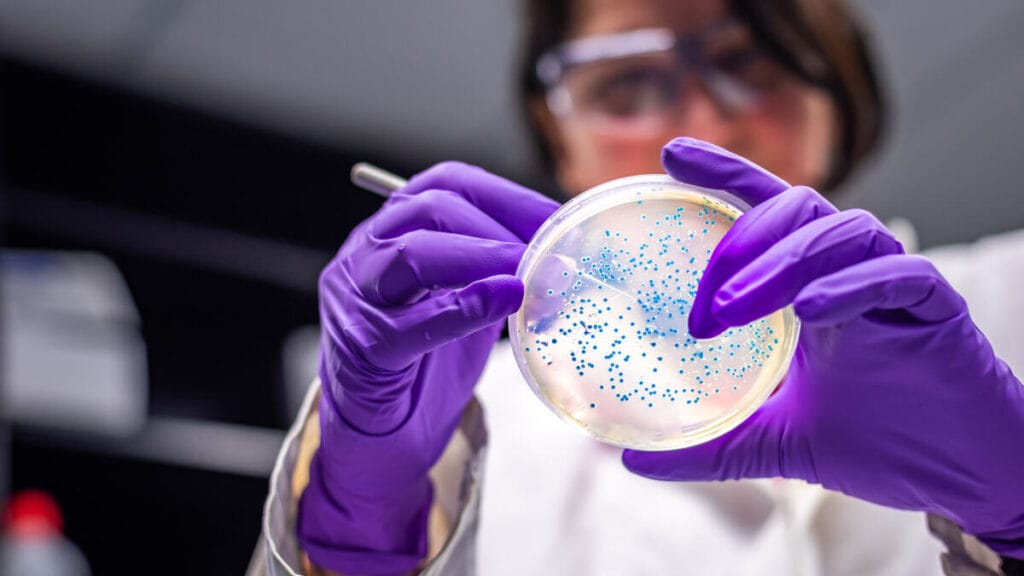
Laboratory diagnostics of intestinal microflora: how to understand signals from within

The gut is more than just a digestive organ. It's an independent ecosystem, home to trillions of bacteria. Depending on what kind of microorganisms are there...

Specific and nonspecific tumor markers: clinical significance in diagnosis

Oncological diagnostics is developing rapidly, and laboratory tumor markers have become an important tool. However, the interpretation of tumor markers requires caution: not all markers...
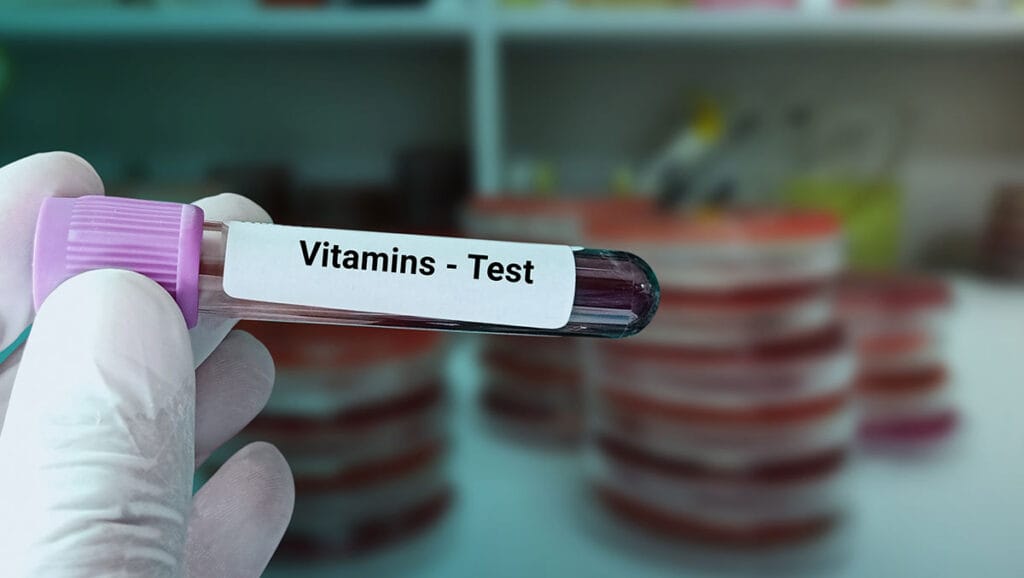
Laboratory diagnostics of vitamin status
Why check your vitamin status? Vitamins are key micronutrients that regulate hundreds of biochemical processes in our body. Even a slight deficiency can disrupt...

CHRONIC FATIGUE: HOW TO RECOGNIZE THAT IT'S NOT JUST EXHAUST
A condition that doesn't go away after sleep When, even after a full night's rest, you wake up feeling completely exhausted, it can...

Tryptase analysis: what is it, who needs it and what are the indications for its conduct?
Tryptase is one of the key indicators of allergic and systemic reactions of the body. Determining its level in the blood helps to identify serious immunological...

Angioedema: An emergency that should not be ignored
What is angioedema? Angioedema (ANN), or angioedema, is a sudden, deep swelling of the skin, subcutaneous tissue, mucous membranes, or...

Vitamin K Level Determination: A Clinical Situation That Revealed a Hidden Problem
Case: Bruises for no reason Anna, 43, went to the doctor complaining of frequent bruises on her legs and arms that appear...
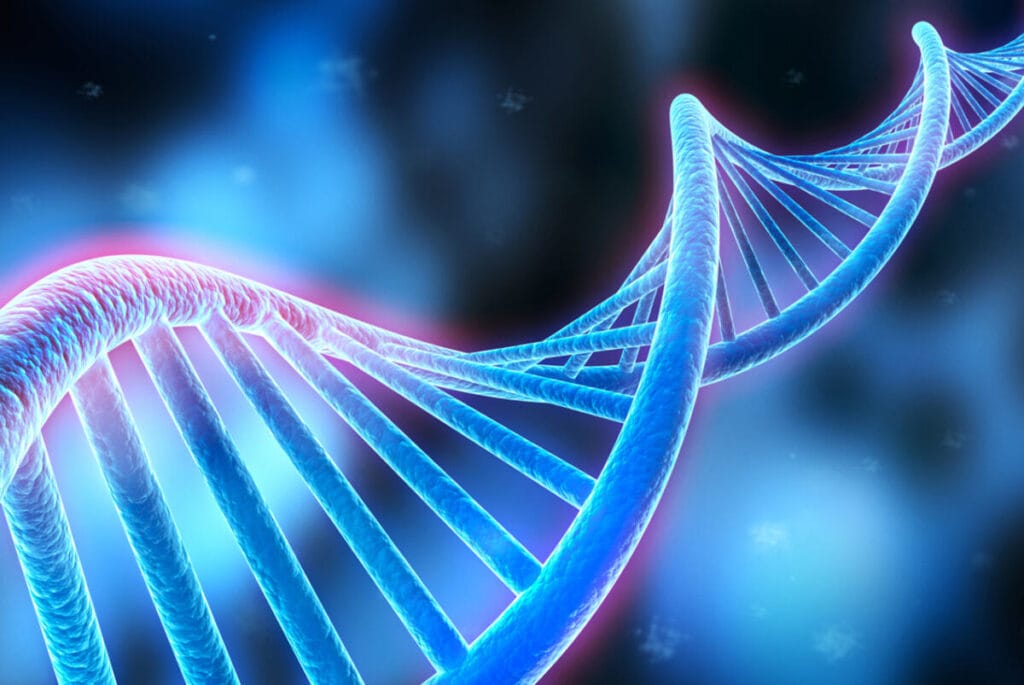
DNA SEQUENCEING: ESSENCE, POSSIBILITIES AND APPLICATIONS
What is DNA sequencing DNA sequencing is the process of determining the exact sequence of nucleotides (A, T, C, G) in a DNA molecule. Other...

THYROID-STRENGTH HORMONE TEST: THE KEY TO UNDERSTANDING THE WORK OF THE THYROID GLAND
What is Thyroid Stimulating Hormone and Why Is It Important Thyroid Stimulating Hormone (TSH) is a regulator that controls the thyroid gland. Its...
