
Hypovitaminosis: a hidden deficiency that destroys health
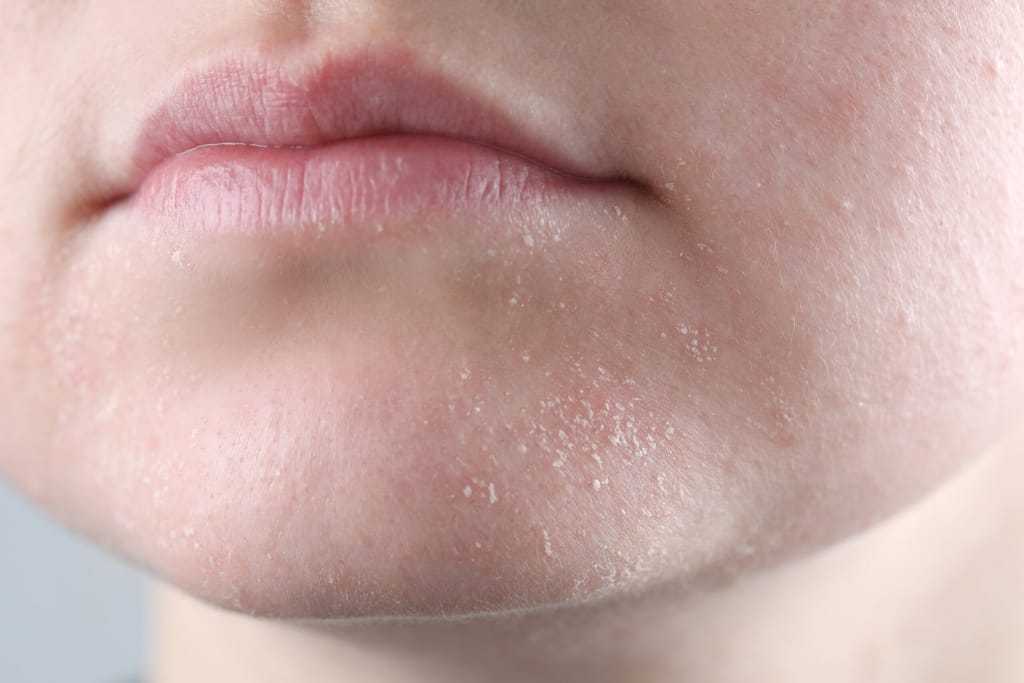
Are you concerned about prolonged fatigue, brittle nails, pale skin, or frequent colds? It may not be just overload or seasonal weakness. These signals may indicate hypovitaminosis - a partial deficiency of one or more vitamins. This condition rarely manifests itself with bright symptoms, but gradually worsens the quality of life, contributes to the development of chronic diseases and reduces the body's ability to recover.
What is hypovitaminosis?
Hypovitaminosis is a state of low vitamin content in the body, when there are no critical disorders yet, but biochemical functions are already disrupted. Unlike avitaminosis, in which the symptoms are sharply expressed, hypovitaminosis acts slowly, often imperceptibly.
Vitamins are involved in hundreds of metabolic reactions, from energy production to immune response regulation. Their deficiency cannot be compensated by other substances, and even a slight decrease in levels can negatively affect health.
Causes of hypovitaminosis
The main reasons include:
Insufficient consumption vitamins with food (monodiets, fast food, food without vegetables)
Increased need in vitamins (adolescence, pregnancy, stress, sports)
Absorption disorders vitamins in the intestine (gastrointestinal diseases, dysbiosis, taking antibiotics)
Impaired bioavailability due to improper cooking
The impact of medications, that reduce absorption (anticoagulants, anticonvulsants, proton pump inhibitors)
The main symptoms of hypovitaminosis
The signs may be nonspecific and vague, but together they create a picture of general exhaustion:
chronic fatigue, loss of appetite
memory impairment, concentration
brittle nails, dry skin
frequent colds
cracks in the corners of the mouth, peeling lips
hair loss, itchy skin
changes in vision at dusk (hypovitaminosis A)
pain in bones and muscles (vitamin D)
Hypovitaminosis vs. avitaminosis: what's the difference?
| Sign | Hypovitaminosis | Avitaminosis |
|---|---|---|
| Vitamin content | Reduced | Critically low or absent |
| Symptoms | Gradual, often nonspecific | Severe, systemic |
| Consequences | Chronic exhaustion, decreased quality of life | Organ dysfunction, complications |
| Example | Fatigue, dry skin (hypoS) | Scurvy (avitaminosis WITH) |
| Diagnostics | May be normal or at the lower limit | Blood counts are very low |
| Prevalence | High, often underestimated | Rare in developed countries |
How to detect hypovitaminosis
Hypovitaminosis can be detected using:
analysis of clinical symptoms
biochemical blood test (25(OH)D, B12, folic acid, ferritin)
analysis of eating habits (frequency of consumption of fruits, vegetables, fish)
examination of the digestive system - if malabsorption is suspected
taking into account risk factors - medication load, stress, diet
Treatment of hypovitaminosis
Tactics depend on the degree of deficiency. Basic steps:
diet correction with an emphasis on whole foods (cereals, legumes, green vegetables, fish, liver)
prescribing vitamin supplements — in prophylactic or therapeutic doses
refusal of self-medication — some vitamins can be toxic in overdose (A, D, E)
treatment of gastrointestinal diseases, if absorption is impaired
Who is at risk?
adolescents during the period of active growth
women during pregnancy and lactation
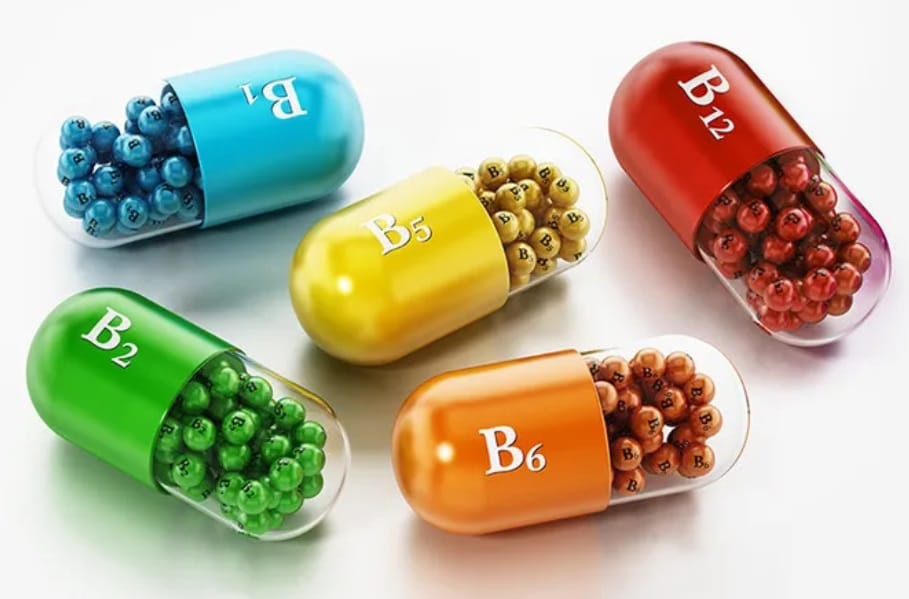
vegetarians and vegans without additional B12 supplements
persons after long-term treatment with antibiotics, antidepressants
elderly people, especially those with a sedentary lifestyle and impaired appetite
athletes who consume a lot of protein but not enough vitamin-containing foods
Hypovitaminosis is a condition that can almost always be corrected in time if you know what to look for. It does not require complex treatment, but ignoring the symptoms can lead to disorders that will require a long recovery. If you are familiar with several of the described signs, you should start by analyzing your diet, checking the level vitamins in the blood and consult your family doctor. A conscious attitude towards micronutrients is the key to energy, strong immunity, and maintaining health for years.

Director of Medi Lab Plus LLC, a doctor of the highest category. Has over 45 years of practical experience in medicine and laboratory diagnostics. Founder and head of the laboratory since 2007. More details…

