
Microbiome
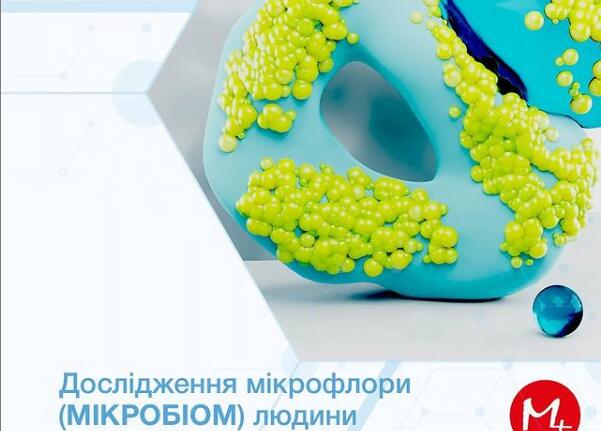
The human body is inhabited by over 1,000 species of bacteria, about 50 viruses, and over 20 species of protozoa.
In fact, all multicellular organisms have complex ecosystems in which the entire external (exposed) epithelium is colonized by a significant number of microorganisms. The idea that the normal microbiota does not play any role in the normal functioning of our body is more than naive. As we have seen, microorganisms sense their environment and respond to its changes. They synthesize and process bioactive compounds and have metabolic properties much more diverse than those encoded in the human genome. It would be truly amazing if our microbiomes were simply witnesses to human functioning.
Many researchers now believe that we should combine hosts and their microbiomes into superorganisms. This term means that the human genome and the genomes of all the microbes we carry provide a better understanding of human function.
The normal microflora of the human body is divided into 2 groups:
1) permanent (resident), specific for a given biotype; 2) temporary, introduced from other biotypes of the host or from the environment (alien). It is different in different parts of the body, since each biotope is characterized by unique conditions for the existence of microorganisms. The greatest epidemiological importance is given to representatives of microbial groups of the skin, upper respiratory tract, gastrointestinal tract, and genitourinary organs. Methods for studying the microflora of different biotypes differ significantly. Studies of human microflora are carried out in the diagnosis of endogenous infections, dysbiosis, and bacterial carriage.

Head of the clinical diagnostic laboratory of Medi Lab Plus LLC, Master of Biochemistry with over 15 years of management experience. Monitors compliance of research with international EUCAST protocols and ISO 15189 standard. Acts as a medical editor of the site materials. More details…