
Syphilis testing: which diagnostic methods are the most accurate

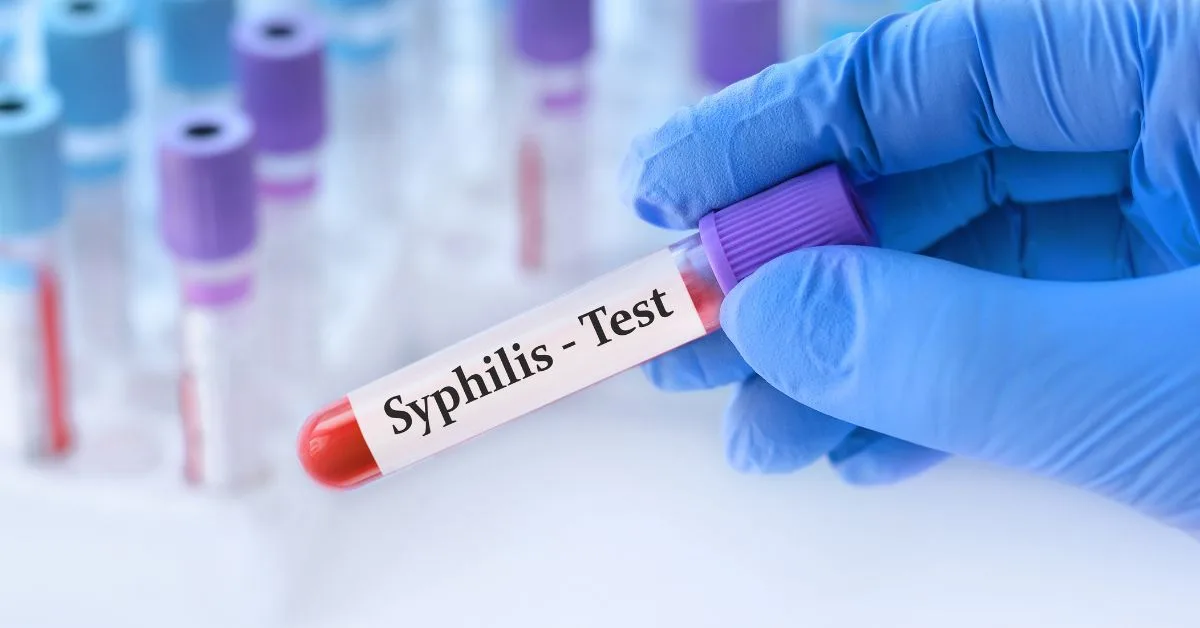
Syphilis — a serious infectious disease, transmitted mainly sexually. Its insidiousness lies in its long asymptomatic course and the ability to affect various organs and systems. Early diagnosis is critically important both for effective treatment and for preventing further spread of the infection. In this article, we will consider modern methods of testing for syphilis and the features of preparation for the examination.
Who needs to be examined?
Syphilis testing is recommended:
people with an active sex life, especially when changing partners;
pregnant women (early pregnancy, second trimester, and before delivery);
persons with symptoms similar to syphilis (rash, ulcers, enlarged lymph nodes);
blood donors;
when planning operations or hospitalization;
healthcare and food industry workers.
Basic methods for diagnosing syphilis
Modern laboratory diagnostics of syphilis is based on two groups of tests - non-treponemal and treponemal tests.
Non-treponemal tests
These tests detect antibodies to lipid antigens that appear in response to cell damage. They are not specific to the syphilis pathogen, but are effective for mass screening:
Wassermann reaction (RW) — historically the first test, now used less frequently;
RPR (Rapid Plasma Reagin);
VDRL (Venereal Disease Research Laboratory test).
Non-treponemal tests are sensitive in the early stages of infection and allow for assessment of treatment effectiveness, as antibody titers decrease after therapy.
Treponemal tests
These tests detect specific antibodies to the syphilis pathogen — Treponema pallidum:
TPHA (Treponema pallidum hemagglutination assay);
FTA-ABS (fluorescent treponemal antibody absorption test);
ELISA (enzyme-linked immunosorbent assay);
PCR diagnostics — detection of the pathogen's DNA (especially useful in the early stages or in latent form).
Treponemal tests remain positive even after treatment, which should be taken into account when interpreting the results.
Comparative table of diagnostic methods
| Test name | Test type | Advantages | Disadvantages |
|---|---|---|---|
| RPR/VDRL | Non-treponemal | Cheap, fast, dynamic | Possible false positive results |
| ELISA, TPHA | Treponemal | High accuracy | Does not display process activity |
| PCR | Direct method | Pathogen detection, high accuracy | High cost |
Preparation for analysis
For standard serological tests (RPR, ELISA, TPHA):
blood is donated on an empty stomach;
24 hours before the analysis is recommended abstain from alcohol and intense physical activity;
medications do not always affect the result, but you should warn your doctor about taking them.
PCR analysis may require material from ulcers or other affected areas, depending on the clinical picture.
What the results mean
Positive RPR and positive TPHA: confirmation of active syphilis.
Positive TPHA, negative RPR: probably a past disease or latent form.
Both tests are negative.: syphilis not confirmed (but early stages require retesting).
Target audience and the importance of prevention
This information is especially important for:
general practitioners and dermatovenereologists;
persons of reproductive age;
pregnant women;
representatives of risk groups.
Prevention includes use of barrier methods of contraception, regular testing and responsible attitude towards sexual life.
Syphilis diagnosis Today, it is accessible, accurate, and fast. Timely testing is not only about taking care of your own health, but also about your responsibility to your partner and society as a whole.

Director of Medi Lab Plus LLC, a doctor of the highest category. Has over 45 years of practical experience in medicine and laboratory diagnostics. Founder and head of the laboratory since 2007. More details…